
Conclusion of your Sermon
an effective conclusion appeals to the will
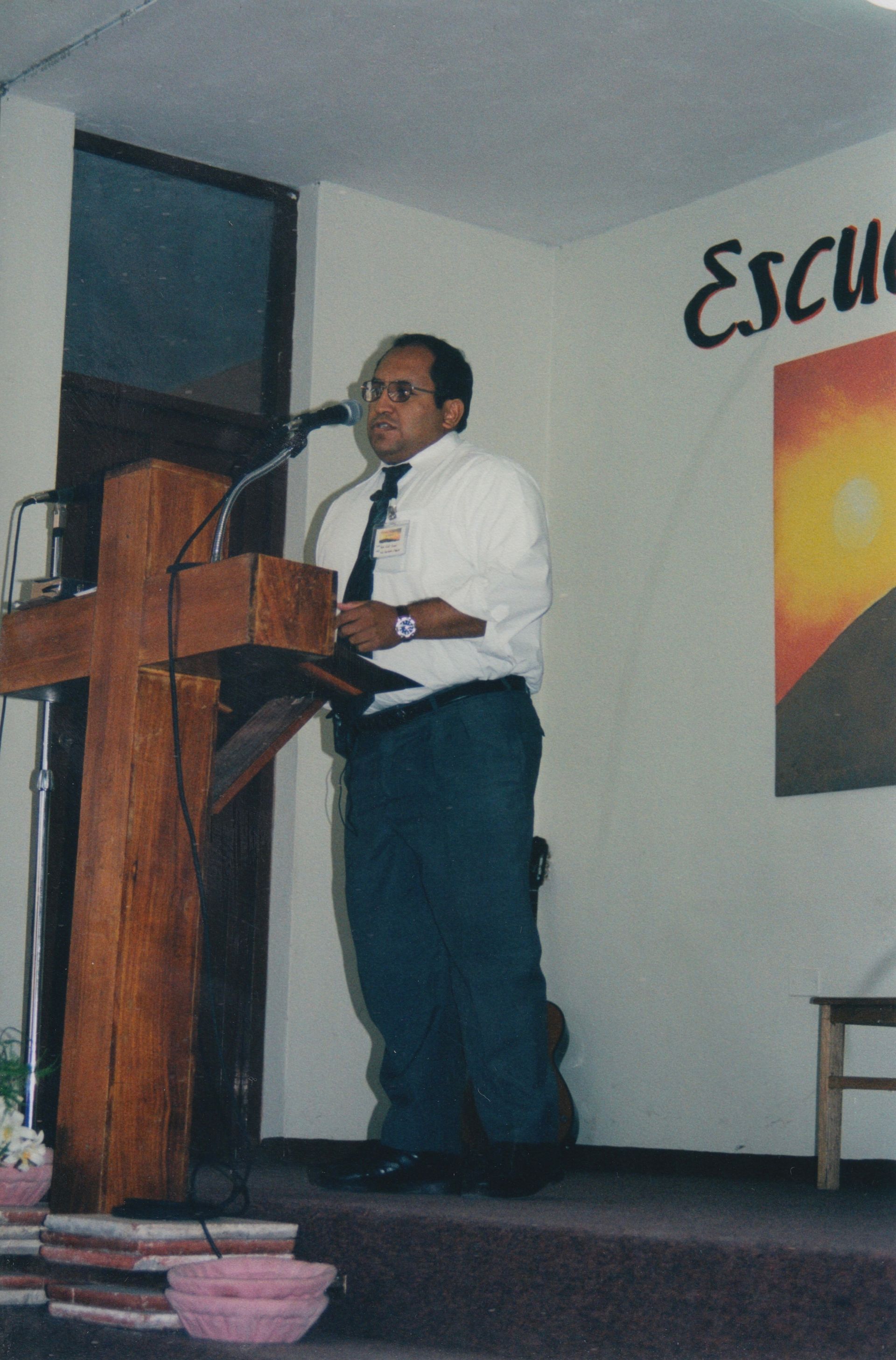
A solid conclusion accomplishes a threefold purpose. First, to add a final “why” to the question of “how” answered by the application. Ideally, good exegetical exposition will prepare the audience’s heart to say, “So what? Show us how to put this information into action.” While the application feeds the mind, an effective conclusion appeals to the will; it prompts the audience to action. That’s the primary difference between teaching and preaching. Both provide helpful information and both suggest ways to apply that new information to life, but as a matter of purpose and emphasis, preaching is all about urging action. Therefore the spirit of a sermon is motivational throughout, and devotes a greater portion of time to stimulating audience response.
Charles R. Swindoll, Saying It Well: Touching Others with Your Words (New York City, NY: FaithWords, 2012).