The Pace of the Leader
Leading with patience in a world obsessed with speed

I've made this mistake more times than I care to admit.
Early in ministry, I was on fire. I wanted everyone to keep up with my pace: my prayer life, my study schedule, my evangelism efforts, my everything. If I could read five books a week, why couldn't they? If I could fast three days, surely they could manage one. I drove people hard because I thought that's what good leaders did.
Then I watched people burn out. I watched marriages strain. I saw young believers stumble and fall away. And I realized something that changed my entire approach to leadership: The leader's pace is not supposed to be everyone's pace.
Jacob understood this. And his wisdom in Genesis 33 should shape how every one of us leads.
When Your Brother Wants You to Keep Up
Genesis 33:13-14 And he said unto him, My lord knoweth that the children are tender, and the flocks and herds with young are with me: and if men should overdrive them one day, all the flock will die. Let my lord, I pray thee, pass over before his servant: and I will lead on softly, according as the cattle that goeth before me and the children be able to endure, until I come unto my lord unto Seir.
Jacob had just reconciled with his brother Esau after years of fear and separation. Esau, in his enthusiasm and strength, wanted them to travel together. But Jacob saw what Esau didn't see: the children were young, the animals had nursing offspring, and pushing them at Esau's warrior pace would kill them.
So Jacob said something revolutionary: "I will lead on softly."
The Deadly Lie That Faster Is Better
We live in a culture that worships speed. Fast growth. Rapid results. Explosive ministry. And we bring that pressure into the church.
I've sat in leadership meetings where we talked about people like they were production quotas. "Why aren't they serving more? Why aren't they giving more? Why aren't they growing faster?" We measure spiritual maturity by activity levels and confuse busyness with fruitfulness.
But here's what Jacob knew that we forget: If you overdrive them one day, all the flock will die.
One day. Not a year. Not a season. One day of pushing too hard can cause irreversible damage.
I've seen it happen. The young man I pushed into leadership before he was ready: he left ministry entirely. The couple I pressured to serve in multiple areas: they're divorced now. The missionary candidate I rushed through preparation: he came home broken after six months.
The leader's pace destroyed them.
What "Leading Softly" Actually Means
Jacob didn't abandon his destination. He was still heading to Seir. He didn't lower his standards or compromise his mission. But he adjusted his pace to match the capacity of those he was leading.
That's the heart of biblical leadership.
Leading softly means recognizing individual needs. The children were tender. The nursing animals required special care. Jacob didn't treat everyone the same. He customized his leadership to match their stage of growth.
You can't lead a new believer the way you lead a mature saint. You can't push a struggling marriage the same way you challenge a stable family. You can't demand of someone in crisis what you expect of someone in good health.
Leading softly means accepting slower progress. Jacob told Esau, "Go ahead. I'll catch up." He didn't try to match someone else's pace just to look good or prove something. He prioritized the survival and health of his flock over the appearance of success.
Some of the people you're leading will grow slowly. Really slowly. And that's okay. God isn't grading you on how fast you get people to spiritual maturity. He's watching how carefully you shepherd them along the way.
The Leader's Pace Can Destroy or Develop
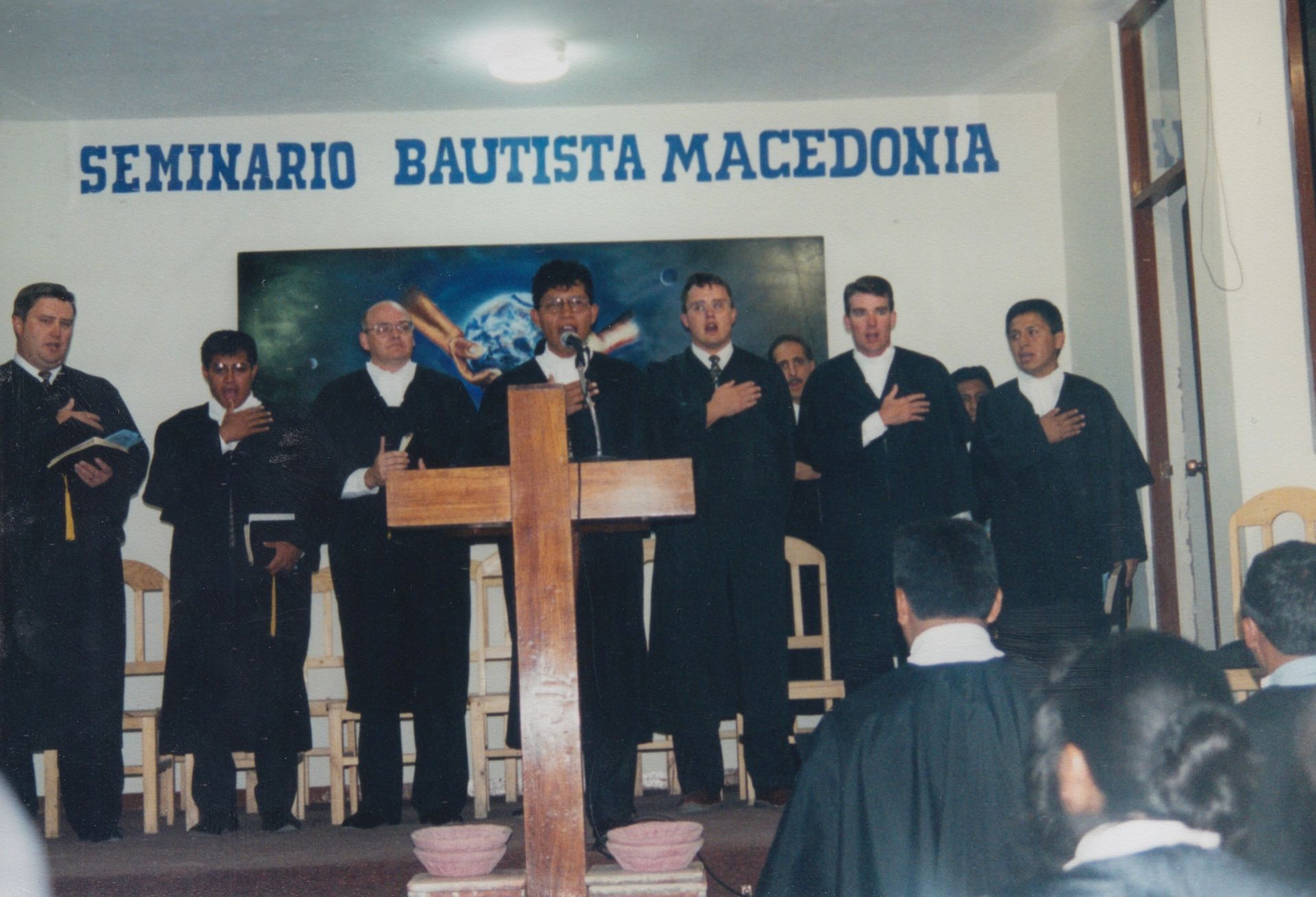
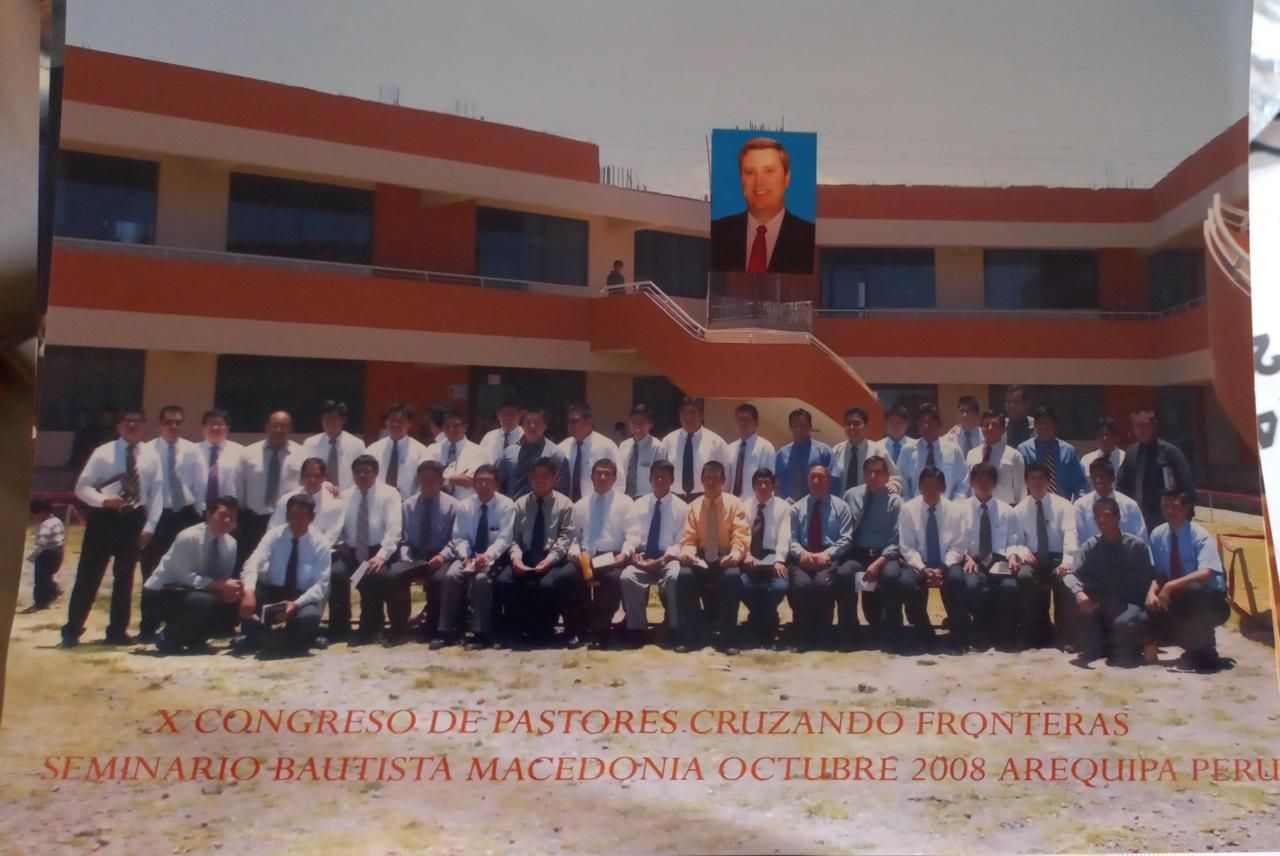
I learned this the hard way during my twenty years in Peru. I arrived with American expectations, American schedules, and American standards. I wanted to build churches fast, train leaders quickly, and see explosive growth.
But the people I was leading had different backgrounds, challenges, and levels of capacity. Some had no formal education. Some were dealing with extreme poverty. Some carried wounds from their past that required slow, patient healing.
When I pushed too hard, people broke. When I slowed down and led softly, they flourished.
Here's what I discovered: The goal isn't to make everyone keep up with me. The goal is to help everyone reach their destination alive and healthy.
That changes everything.
It means I stop comparing people to each other. I stop measuring ministry success by how many activities we're running. I stop feeling guilty when someone needs more time or extra grace.
It means I ask different questions:
- What does this person need right now?
- What pace allows this individual to grow without breaking?
- How can I adjust my expectations to match their current capacity?
Don't Push. Guide.
Jacob said, "I will lead on softly, according as the cattle that goeth before me and the children be able to endure."
Notice that word: endure. Leadership isn't about what people can survive for a day. It's about what they can endure for the long journey.
You might be able to push someone hard for a week, a month, even a year. They might keep up. They might even perform well. But if you overdrive them, they'll eventually collapse.
And here's the tragic part: by the time you realize you pushed too hard, the damage is already done.
I've had to go back and apologize to people I hurt with my pace. I've had to confess to young leaders, "I'm sorry. I pushed you into something you weren't ready for, and I damaged you in the process."
Those conversations are brutal. And they're entirely avoidable if we'll just lead softly.
The Beautiful Outcome of Patient Leadership
Here's what happens when you adjust your pace to match the people you're leading:
They make it to the destination. Jacob's goal wasn't just to start the journey. It was to finish it with everyone intact. When you lead softly, people don't just begin well: they endure well.
They grow at a sustainable rate. Forced growth is fake growth. Real spiritual maturity takes time. When you allow people to develop at their own pace, their growth is genuine and lasting.
They trust you more. People know when you care more about them than about your own success. When you slow down for their sake, they see your heart. And that builds trust like nothing else.
They become better leaders themselves. The people you lead softly will lead others the same way. You're not just developing individuals: you're creating a culture of grace-paced leadership.
Your Leadership Checklist
So how do you actually do this? Here's what I've learned:
1. Know your people individually. You can't lead softly if you don't know where people actually are. Spend time listening. Ask questions. Pay attention to their current capacity, not just their potential.
2. Customize your expectations. Stop treating everyone the same. What you require from a mature leader should differ from what you expect of a new believer.
3. Watch for warning signs. Exhaustion. Burnout. Family strain. Spiritual dryness. When you see these signs, slow down immediately. Don't wait until someone breaks.
4. Celebrate slow progress. Make a big deal out of small steps. Some people will never be your fastest growers, and that's okay. Cheer them on anyway.
5. Check your own motives. Are you pushing people because they need it, or because you need something from them? Are you leading for their good or your success?
The leader's pace sets the tone for everyone. But the goal isn't for everyone to keep up with you. The goal is for everyone to make it home alive.
Lead softly. Your people will thank you for it.
If you want more on this kind of grace-centered, patient leadership, check out my article on The Big Leap of Faith. And if you're looking for ongoing mentoring and coaching through these leadership challenges, I'd love to walk alongside you. You can learn more at Alignment Ministries.
FAQ: Leading at the Right Pace
Q: Doesn't leading softly mean lowering your standards?
No. Jacob still had a destination: Seir. He didn't change the goal; he adjusted the pace. You can maintain high biblical standards while giving people time and grace to grow into them. Standards and pace are two different things.
Q: What if I'm naturally a fast-paced, high-energy leader?
That's okay: don't change who you are. But recognize that not everyone shares your wiring. You can still move fast in your personal life while slowing down to lead others at their pace. It's about awareness and intentionality, not personality change.
Q: How do I know if I'm pushing someone too hard?
Watch for signs: exhaustion, withdrawal, family strain, or spiritual dryness. If someone who was once eager starts avoiding you or shows resentment, you may be overdriving them. And always ask: don't assume. Create space for honest conversations about pace and pressure.