Healthy Ministry Team Leadership: Control vs Coaching
Moving from Control to Coachings

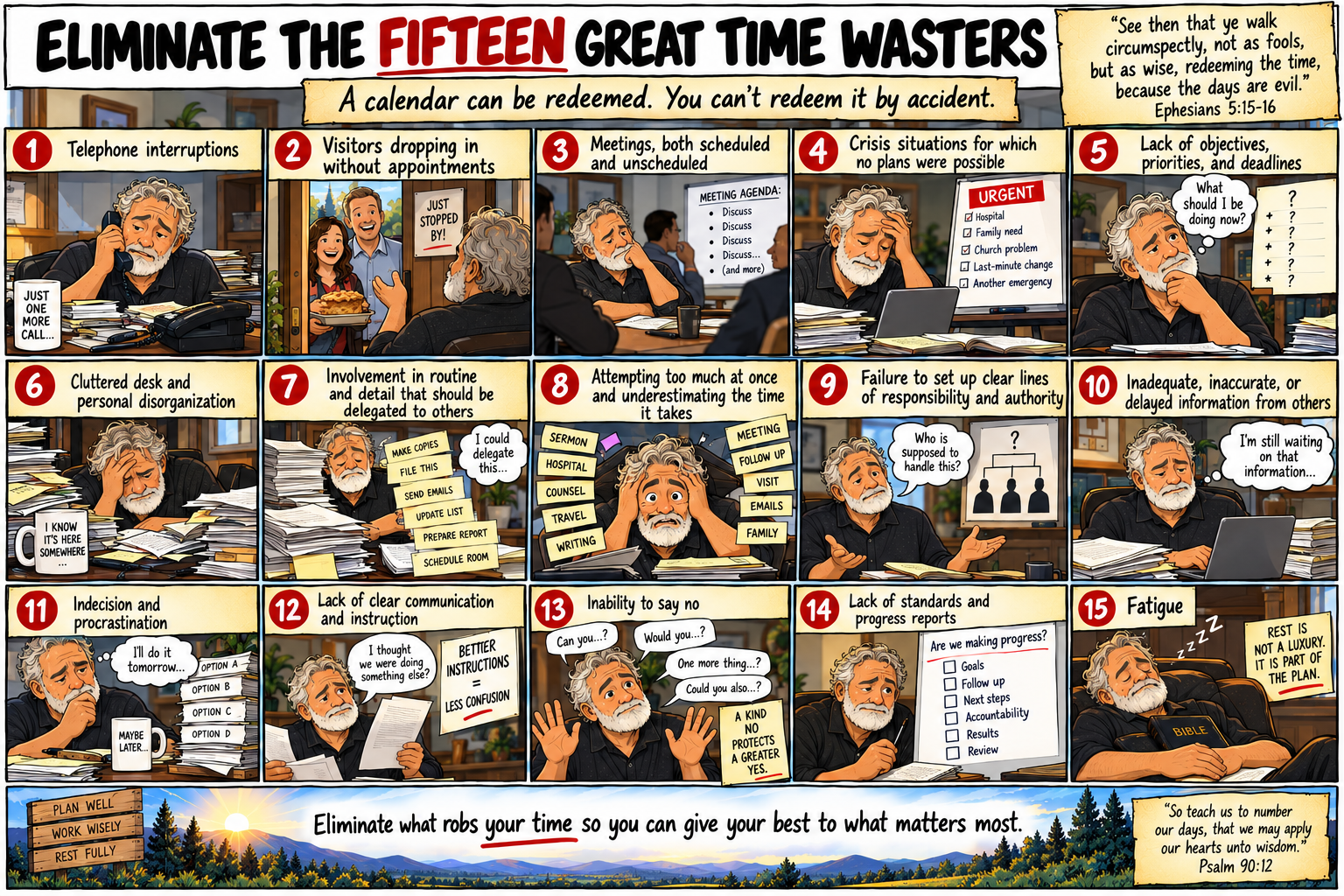
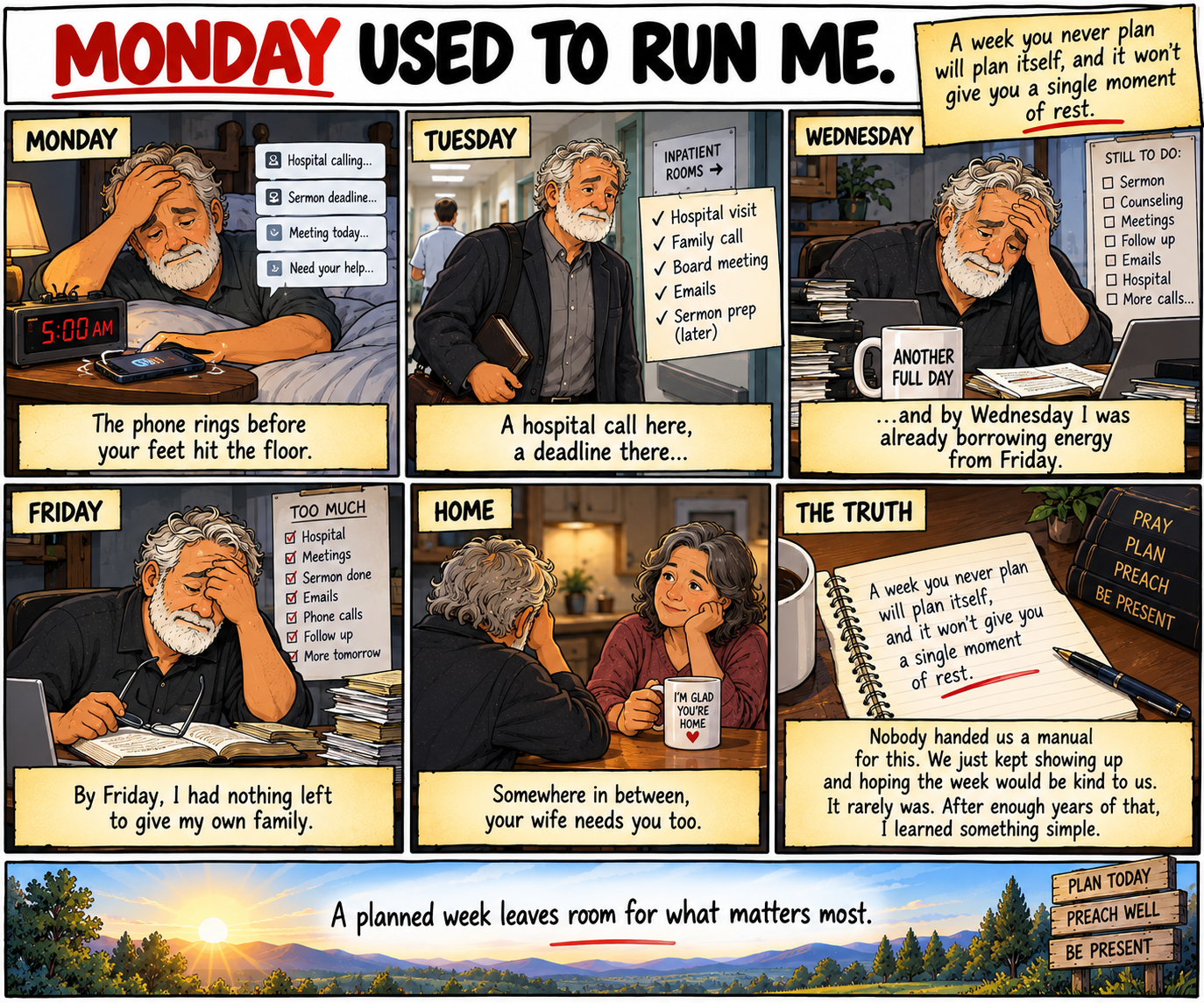
I spent the first decade of my ministry leadership trying to hold everything together with white knuckles and a death grip on the steering wheel.
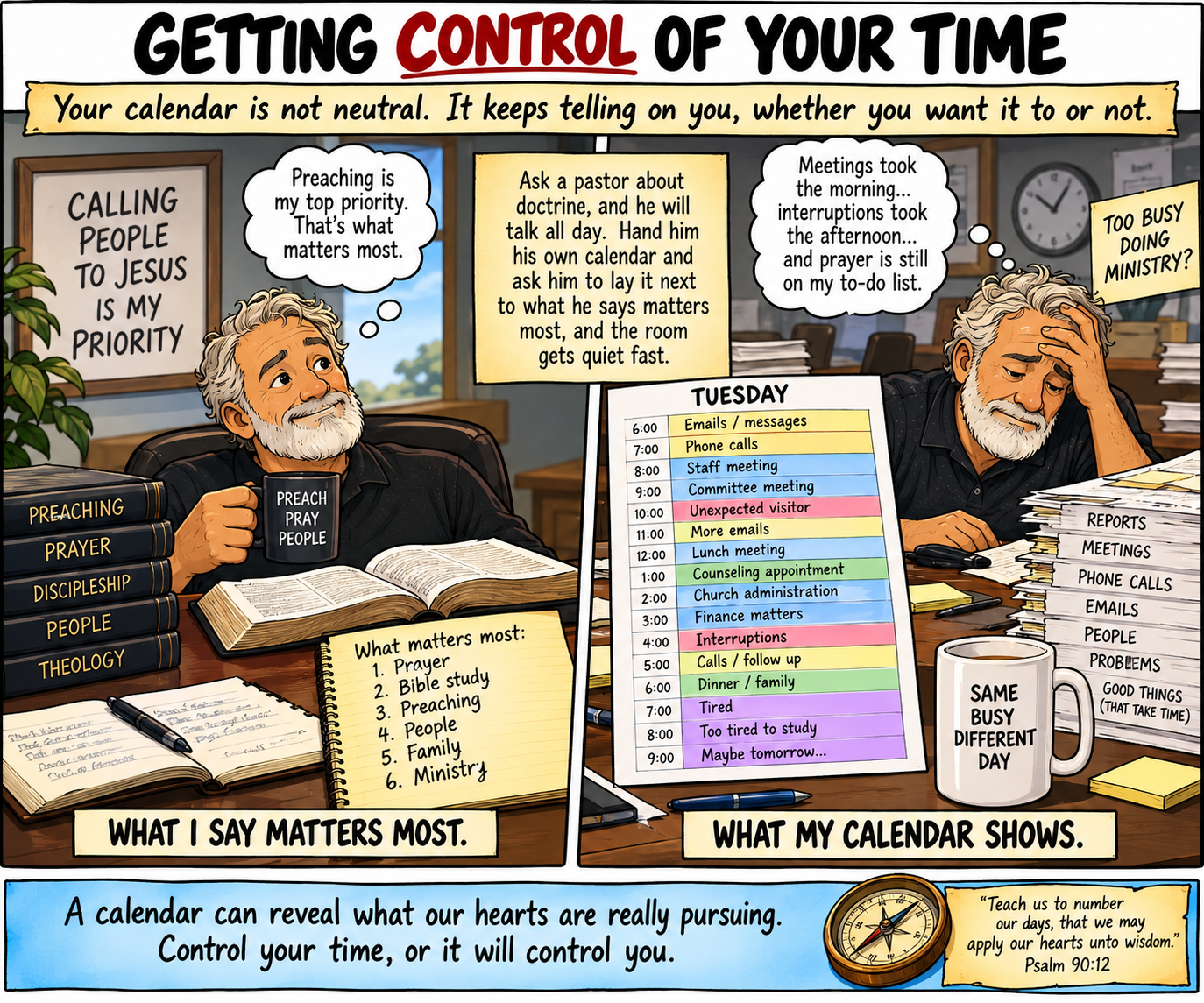
I didn't call it control. I called it "being responsible." I called it "protecting the vision." I called it "making sure things were done right."
But honestly? I was scared to death that if I let go, everything would fall apart.
After more than 50 years in pastoral ministry and missionary work, I can tell you with absolute certainty: the tighter you grip your team, the faster they'll slip through your fingers.
The healthiest ministry teams I've seen, the ones that actually last and multiply, aren't built on control. They're built on coaching. And there's a massive difference between the two.
The Control Trap: Why We Micromanage in the First Place
Let me be honest with you. Most of us didn't start out wanting to be control freaks.
We started out caring deeply. We had a vision. We wanted to serve God well. We were terrified of failing Him.
So we held tight. We checked every detail. We second-guessed every decision our team made. We created systems and structures that funneled every choice back through us.
And we burned out. Our teams felt stifled. Good leaders left. New leaders never developed.
Here's what I've learned: micromanagement isn't a leadership style, it's a fear response.
When you're operating from a place of fear instead of faith, you build teams that depend on you instead of depend on God. You create a bottleneck instead of a pipeline. You become the lid on everyone else's potential.
Proverbs 29:25
> "The fear of man bringeth a snare: but whoso putteth his trust in the LORD shall be safe."
Control is a snare. It feels safe, but it traps you and everyone around you.
What a Healthy Ministry Team Actually Looks Like
After decades of watching teams thrive and teams implode, I've noticed some consistent patterns in the healthy ones.
They Have a Shared Vision Everyone Can Articulate
Healthy teams don't just know what they're doing. They know why it matters. Every person on the team can tell you how their role connects to the bigger mission. They're not just showing up for tasks, they're moving toward something together.
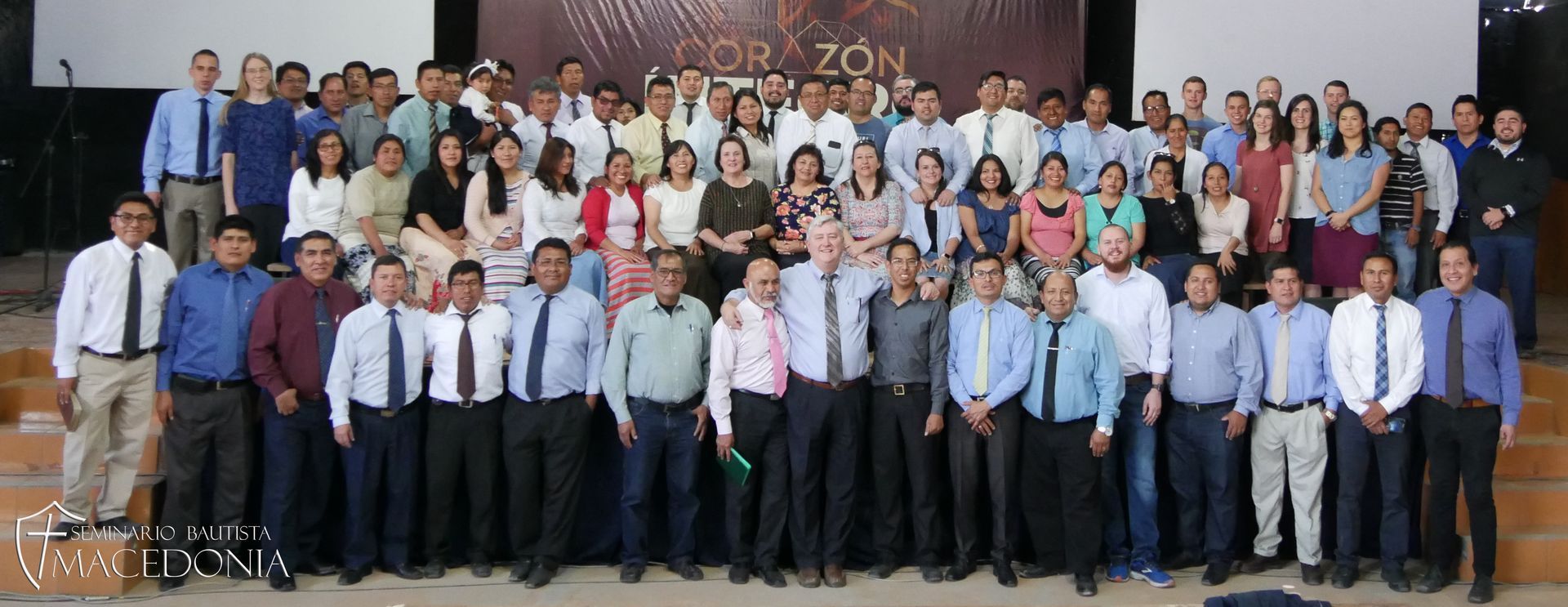
When I was planting churches in Peru, our best teams were the ones where the janitor and the preacher could both tell you the same vision in their own words. That's alignment.
Every Role Is Distinct and Actually Matters
In a healthy team, nobody is a placeholder. Each person has a unique contribution that directly impacts the team's success. There are no "warm bodies just filling a slot."
Think about a baseball team. The pitcher and catcher have completely different jobs, but they're utterly dependent on each other. That's how ministry teams should work.
When someone knows their role truly matters, they show up differently. They engage. They take ownership. They grow.
The Team Is Small Enough That Everyone's Voice Counts
Here's a truth that might sting: most ministry teams are too big.
When you pile too many people into a room, a few loud voices dominate and everyone else checks out. Inquiry turns into advocacy. Collaboration turns into politics.
The healthiest teams I've led or coached have been lean. Small enough that every person's participation actually matters. Small enough that if someone is quiet, everyone notices.
There's Open, Honest Communication Without Fear
This is the big one. Healthy teams create an atmosphere where people can disagree without being disagreeable. Where you can say, "I think we're headed in the wrong direction," without being labeled a troublemaker.
That kind of trust doesn't happen by accident. It's built deliberately by leaders who model vulnerability and reward honesty.
Ephesians 4:15
> "But speaking the truth in love, may grow up into him in all things, which is the head, even Christ."
Truth and love together. Not one or the other.
From Control to Coaching: The Shift That Changes Everything
So how do you actually make the move from controlling to coaching?
It starts with a fundamental shift in how you see your role.
Controllers ask: "How do I make sure this gets done right?"
Coaches ask: "How do I develop people who can lead this without me?"
See the difference?
Control focuses on the task. Coaching focuses on the person.
Control protects the present. Coaching builds the future.
Control creates dependency. Coaching creates leaders.
When you shift from control to coaching, you stop being the bottleneck and start being the catalyst. You stop holding the team together and start releasing them to lead.
Here's what that looks like practically:
You Invest Time in People, Not Just Projects
Healthy teams don't just meet about tasks. They meet about development. You dedicate time in your meetings for spiritual formation, mentoring, and personal growth, not just project updates.
I've learned to build margin into every leadership meeting for questions like: "What's God teaching you right now?" or "Where are you struggling?" That kind of investment pays massive dividends.
You Give Real Authority, Not Just Responsibility
This is where most leaders fail. We delegate the responsibility but keep all the authority. We say, "You're in charge of this," but then we second-guess every decision and override their choices.
Real coaching means giving people the authority to make decisions and the freedom to fail. You create guardrails, not straightjackets. You say, "Here's the vision, here's the budget, here's the deadline, now lead."
You Celebrate Growth Over Perfection
Controllers celebrate flawless execution. Coaches celebrate growth, even when it's messy.
When someone on your team tries something new and it doesn't work, what's your response? If your first instinct is to swoop in and fix it, you're still controlling. If your first instinct is to ask, "What did you learn?" you're coaching.
Colossians 3:23-24
> "And whatsoever ye do, do it heartily, as to the Lord, and not unto men; Knowing that of the Lord ye shall receive the reward of the inheritance: for ye serve the Lord Christ."
Our job isn't to be the quality control department for the kingdom. Our job is to help people serve the Lord with their whole hearts.
The Practical Steps: Building a Coaching Culture
If you're reading this and thinking, "Okay, I see it: but how do I actually change?" here's where to start:
1. Identify Your Control Points
Where do you micromanage? What decisions do you refuse to delegate? What meetings could happen without you but don't? Write them down. Get honest about where fear is driving your leadership.
2. Choose One Area to Let Go
Don't try to change everything at once. Pick one area where you're going to step back and coach instead of control. Give someone real authority. Let them lead. Resist the urge to jump in and fix things.
3. Schedule Regular Coaching Conversations
Build time into your calendar for one-on-one coaching with your key leaders. Ask questions. Listen more than you talk. Help them think through challenges instead of solving everything for them.
4. Create a Feedback Loop
Ask your team: "Where am I holding you back? What decisions could I delegate to you? What would help you lead more effectively?" Then actually listen to what they say.
This kind of vulnerability is terrifying. But it's also where real trust gets built.
Why This Matters for Your Ministry's Future
Here's the bottom line: the health of your ministry tomorrow depends on the leaders you're developing today.
If you're the smartest person in every room, you're not building a team: you're building a fan club. If every decision has to flow through you, you're not creating a movement: you're creating a machine that stops when you do.
I've watched too many ministries fall apart when the founding leader leaves because no one else was actually leading. I've seen too many gifted leaders walk away because they were tired of being micromanaged.
Don't let that be your legacy.
You can build something that lasts beyond you. You can develop leaders who will multiply your impact far beyond what you could ever do alone.
But only if you're willing to move from control to coaching.
If you're wrestling with leadership challenges or need help developing a healthier team culture, I'd love to walk alongside you. Check out more practical leadership insights at Alignment Ministries, or dive deeper into what it means to lead from a place of grace and rest in The Big Leap of Faith.
You don't have to figure this out alone. And honestly? You shouldn't.
Frequently Asked Questions
How do I know if I'm micromanaging or just being responsible?
Ask yourself: "Am I doing this because it needs to be done, or because I'm afraid of what will happen if I don't?" Responsibility delegates and empowers. Micromanagement hovers and second-guesses. If your team can't make decisions without checking with you first, you're micromanaging.
What if I delegate and my team makes mistakes?
They will. And that's actually good. Mistakes are how people learn and grow. Your job isn't to prevent every failure: it's to create an environment where people can fail forward. Coach them through the lesson, don't punish them for the mistake.
How long does it take to shift from control to coaching?
It's not a switch: it's a process. Start with one area and build from there. Most leaders I've coached see significant shifts in 6-12 months, but it requires consistent intentionality. The good news? Your team will respond quickly when they feel the freedom to actually lead.