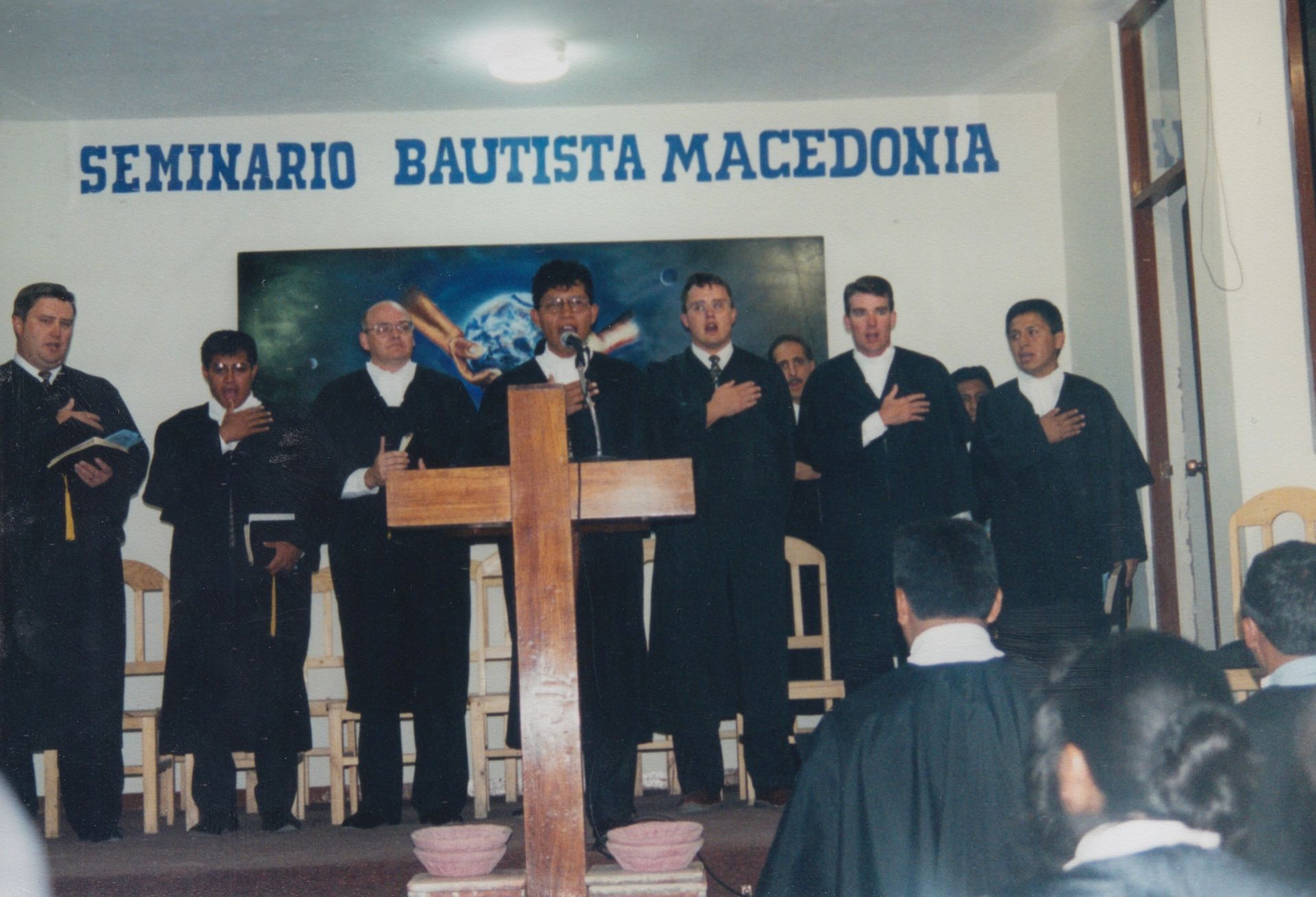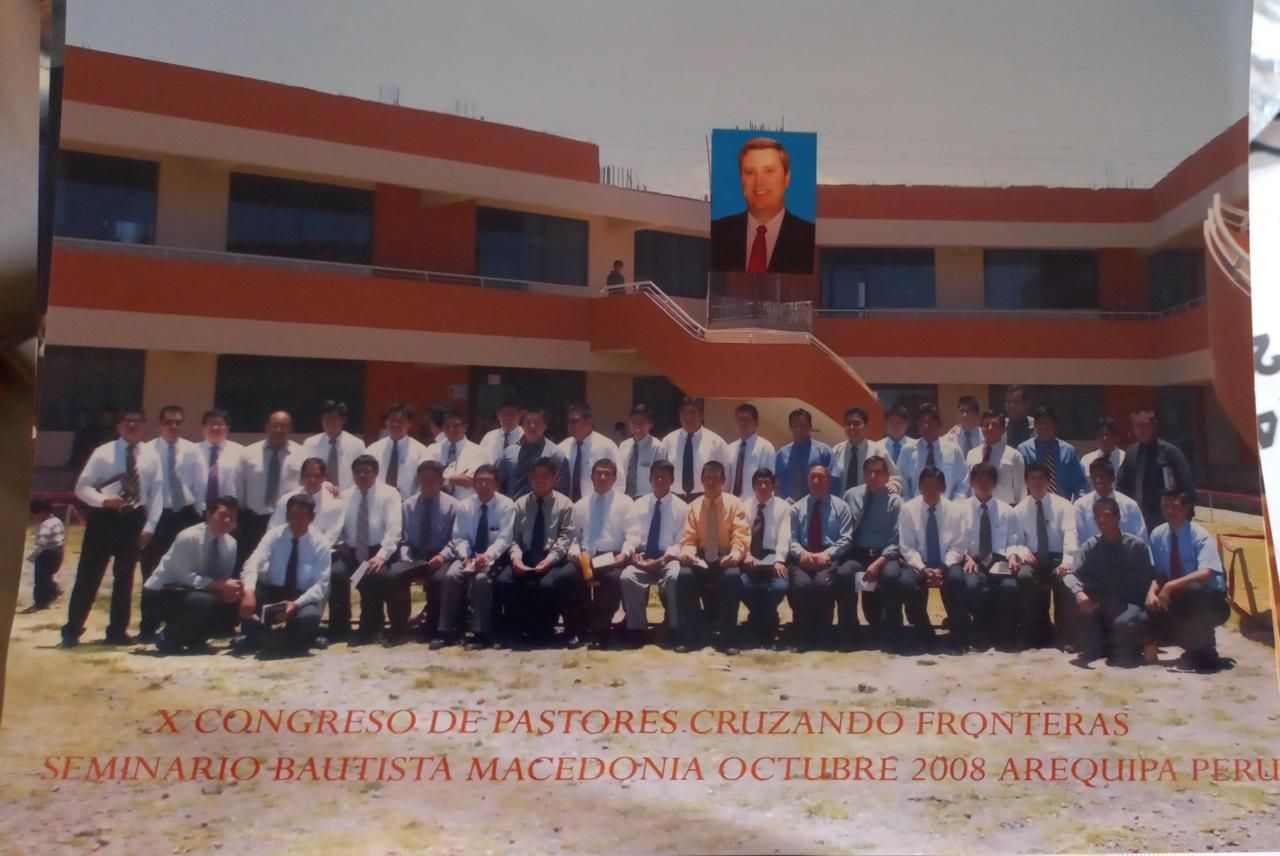
God has a university. It’s a small school. Few enroll; even fewer graduate.
Gleanings from my Reading

C. S. Lewis created a beautiful word picture I like to think of when I cannot understand what God is doing. He told us to think of ourselves as a house God is renovating. We think we know what work needs to be done—maybe some small repairs here and there—and then He starts knocking down walls. We are confused and feeling the pain of this level of rebuilding. But maybe His vision is much different than ours. “You thought you were being made into a decent little cottage: but He is building a palace. He intends to come and live in it Himself.”1
We see a cottage. God sees a palace. We see destruction. God sees construction. We see only what the human mind can imagine. God is building something we cannot even fathom. It’s not what we wanted, but it is so very good. And in the end, maybe it’s not what God is working on but how God is working in us that matters most of all.
Lysa TerKeurst, Forgiving What You Can’t Forget: Discover How to Move On, Make Peace with Painful Memories, and Create a Life That's Beautiful Again (Nashville: Thomas Nelson, 2020), 163–164.
God has a university. It’s a small school. Few enroll; even fewer graduate. Very, very few indeed.
God has this school because he does not have broken men and women. Instead, he has several other types of people. He has people who claim to have God’s authority . . . and don’t—people who claim to be broken . . . and aren’t. And people who do have God’s authority, but who are mad and unbroken. And he has, regretfully, a great mixture of everything in between. All of these he has in abundance, but broken men and women, hardly at all.
In God’s sacred school of submission and brokenness, why are there so few students? Because all students in this school must suffer much pain. And as you might guess, it is often the unbroken ruler (whom God sovereignly picks) who metes out the pain. David was once a student in this school, and Saul was God’s chosen way to crush David.
As the king grew in madness, David grew in understanding. He knew that God had placed him in the king’s palace under true authority.
“When someone throws a spear at you, David, just wrench it out of the wall and throw it back. Everyone else does, you can be sure.”
And in performing this small feat of returning thrown spears, you will prove many things: You are courageous. You stand for the right. You boldly stand against the wrong. You are tough and can’t be pushed around. You will not stand for injustice or unfair treatment. You are the defender of the faith, keeper of the flame, detector of all heresy. You will not be wronged. All of these attributes then combine to prove that you are also a candidate for kingship. Yes, perhaps you are the Lord’s anointed.
After the order of King Saul.
There is also a possibility that some twenty years after your coronation, you will be the most incredibly skilled spear thrower in all the realm. And also by then . . .
Quite mad.
And please note this: David did not split the kingdom when he made his departure. He did not take part of the population with him. He left alone.
Many pray for the power of God. More every year. Those prayers sound powerful, sincere, godly, and without ulterior motive. Hidden under such prayer and fervor, however, are ambition, a craving for fame, the desire to be considered a spiritual giant. The person who prays such a prayer may not even know it, but dark motives and desires are in his heart . . . in your heart.
Gene Edwards, The Gene Edwards Signature Collection: A Tale of Three Kings / the Prisoner in the Third Cell / the Divine Romance (Carol Stream, IL: Tyndale Momentum, 2016).