The Strategic Setback
A church that saves people but never trains them to serve will run out of workers.
The church wins a man to Christ. He is baptized. He joins. He sits.
A year passes. He still sits. He knows more than he did. He can find the books of the Bible now, and he has heard a hundred sermons. But he has never been given anything to do. He has never been shown how. He has never been handed a tool. He is a spectator in a church that needed a worker.
Multiply him by twenty, and you have a church full of saved spectators and a pastor doing everything. That is the strategic setback. Not a failure of evangelism. The church is winning people. A failure of equipping. The church wins them, then leaves them sitting and wonders why the work never grows.
Teaching Is Not Training
Here is the mistake. We think teaching is training. It is not.
A man can sit under preaching for ten years and still not know how to share his faith with his neighbor, pray with a sick friend, teach a child, or open his Bible and find an answer. He has heard the truth. He has never been shown how to use it.
The church gives new believers doctrine but no practice, truth but no tools, a Bible but no job. So they stay where they started. The writer of Hebrews saw it in his own day.
"For when for the time ye ought to be teachers, ye have need that one teach you again which be the first principles of the oracles of God; and are become such as have need of milk, and not of strong meat."
By now they ought to be teachers, and they still need milk. Why? Read the next line.
"But strong meat belongeth to them that are of full age, even those who by reason of use have their senses exercised to discern both good and evil."
By reason of use. Growth comes from using what you have, not just from hearing more. A believer who never uses what he learns stays a baby, no matter how many sermons he has heard. The muscle grows by lifting, not by listening to lectures about lifting.
Why It Happens
It happens for reasons every pastor understands.
The pastor is busy, and it is faster to do it himself. Training a new believer to visit the sick takes an afternoon. Visiting the sick himself takes an hour. So he goes alone, and the new believer stays home, and the pastor grows more tired, and the new believer grows no stronger.
Training takes time, and the church has no path for it. There is a Sunday service, but there is no next step. Nobody has said to the new believer, " Here is what you do now, here is who will walk with you, here is your first job.
And there is fear. He is too young in the faith. He will do it wrong. He will say the wrong thing. He might embarrass the church. So the church keeps him in the pew, where he is safe, and the work goes undone, which is not safe at all.
What God Intends
God never meant for new believers to sit. He meant for them to serve.
"All scripture is given by inspiration of God, and is profitable for doctrine, for reproof, for correction, for instruction in righteousness: That the man of God may be perfect, throughly furnished unto all good works."
Thoroughly furnished. Fully supplied. God gave His Word so His people would be fully equipped for every good work, not half equipped, not equipped for sitting. The Bible is not a textbook for the pew. It is a tool belt for the work.
And God gave every believer something to bring to the work.
"As every man hath received the gift, even so minister the same one to another, as good stewards of the manifold grace of God."
Every man hath received the gift. Not some. Every one. The new believer has something to give, right now, not five years from now when he is finally mature enough. A gift is not a reward for maturity. It is the equipment God gave him at the start.
Paul said the body is not one member, but many. God set every member in the body as He pleased. The eye cannot say to the hand, I have no need of thee. The church that leaves its new believers sitting is a body trying to walk on one leg, and then wondering why it cannot run.
What Practical Training Looks Like
Jesus never trained His men in a classroom and then sent them out. He sent them out, two by two, and let them learn by doing.
He sent the seventy out in His name into every city and place. They were not experts. They were not finished. They were sent, in pairs, with Someone beside them who had done it before. That is the pattern.
So pair every new believer with a mature believer. Not a program. A person. Someone who will take him along, show him, and let him try.
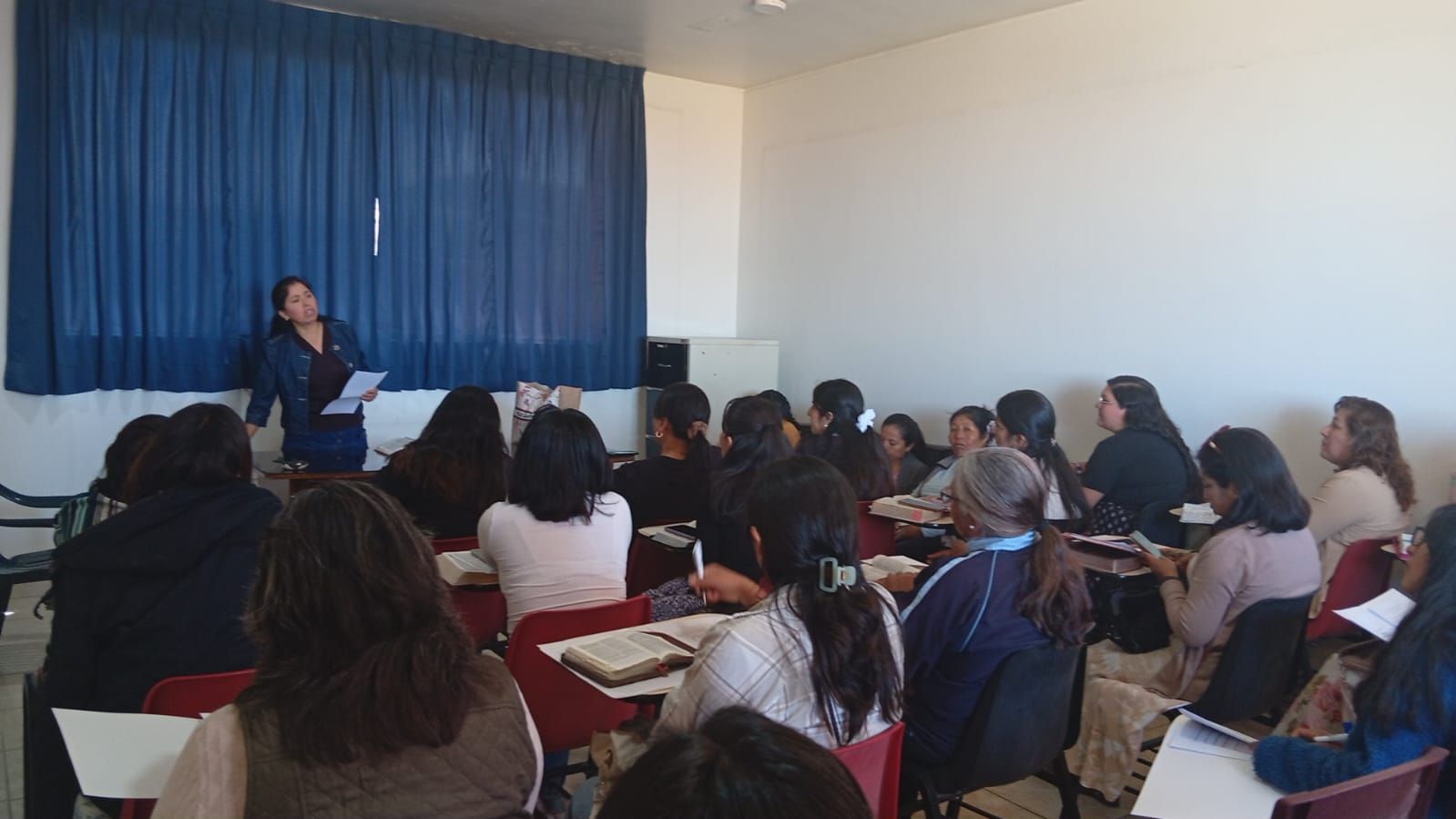
Show him first. Let him watch you visit a sick friend, pray with a neighbor, share your story with a coworker. Let him see how it is done, up close, not from a pew.
Then help him do it. Take him with you. Let him pray the second prayer. Let him say the next word. Stand beside him while he tries, and help him when he stumbles.
Then watch him do it. Step back a little. Let him lead, while you are still close enough to catch him. Tell him what he did well. Tell him plainly what to do better next time.
Then let him go. Give him his own work, and let him carry it. And then let him take someone else along, and show that person the same way. That is how the work multiplies. That is practical discipleship: one believer showing another how to serve, and then that one showing the next.
Give him tools, not just teaching. A Bible he can read and understand. A simple way to tell what God did for him. A clear next step, written down, so he knows what to do on Monday, not only what he heard on Sunday. A new believer does not need a library. He needs a first job and someone to show him how.
And place him by his gift, not by the gap. Find out what God gave him, and put him where that gift is needed. A man who loves people should visit. A woman who can teach should teach. A young person who can sing should sing. Do not plug a hole with a person. Fit the person to the work God made him for.
The Payoff
Here is what happens when a church trains its new believers to serve.
The new believer who serves grows faster than the one who only listens. Service is where faith becomes real. The truth he heard on Sunday becomes the truth he lived on Tuesday. He finds out God is real in a way no sermon could ever show him.
And the church stops depending on one man. The pastor is no longer the only worker. The body starts to move the way a body should, every part doing its share. The work grows, not because the pastor works harder, but because the people work at all.
A church that equips its new believers never runs out of workers. A church that does not will always be short-handed, no matter how many people it wins.
Start With One
God gave every new believer a gift. The church's job is to find it, train it, and release it.
So start with one. Find the newest believer in your church, the one who is still sitting, and take him with you this week. Show him. Help him. Watch him. Let him go. Give him a job, the tools to do it, and someone to walk beside him while he learns.
He will stumble. Let him. He will do it wrong the first time. So did you. The goal is not a perfect worker on the first day. The goal is a believer learning to serve, and a church learning to equip.
The harvest is not waiting for better sermons. It is waiting for equipped believers. Train them, and watch what God does.