The Deceptive Allure of Results
Faithfulness is the mission. Results belong to God.
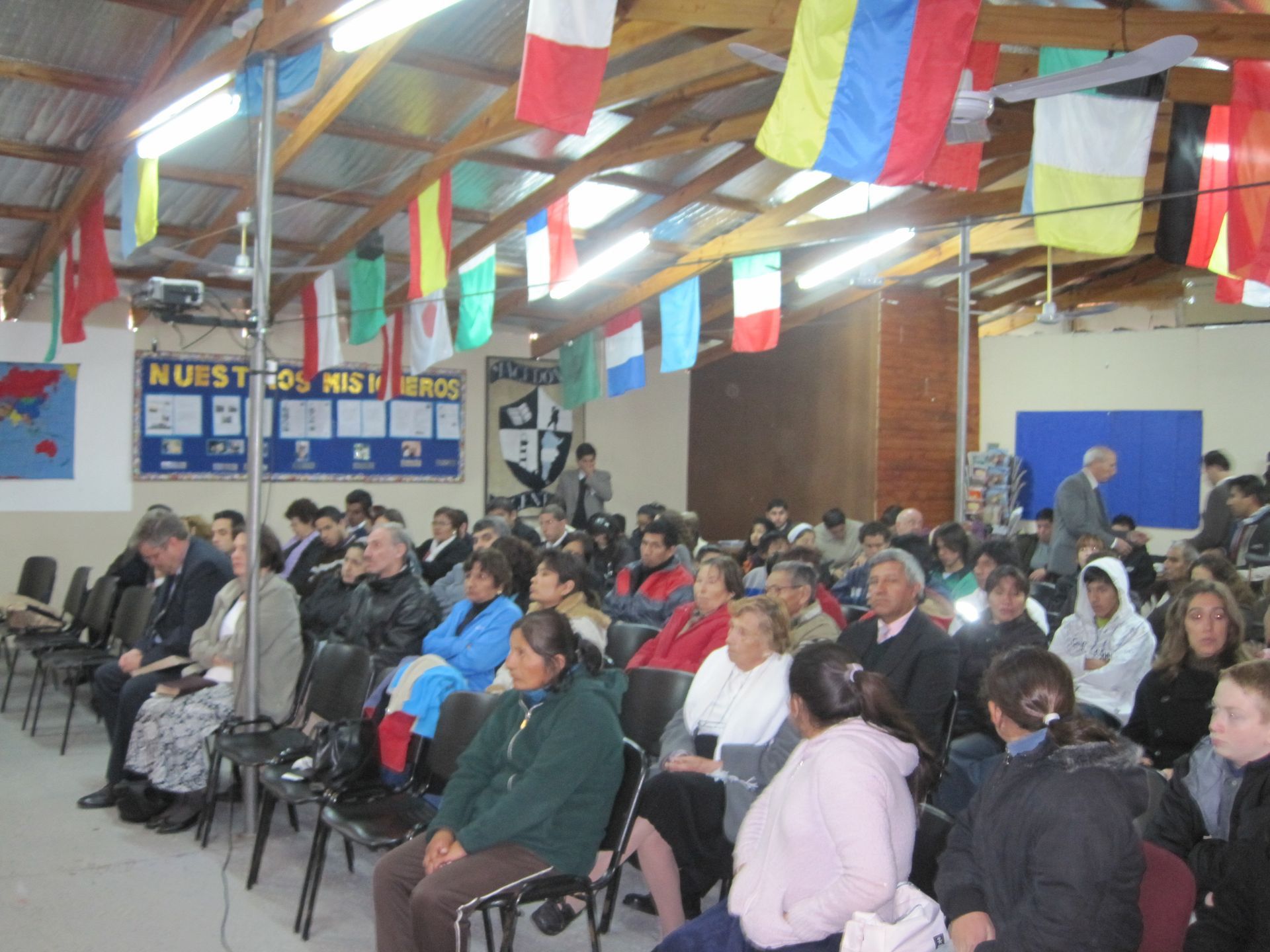
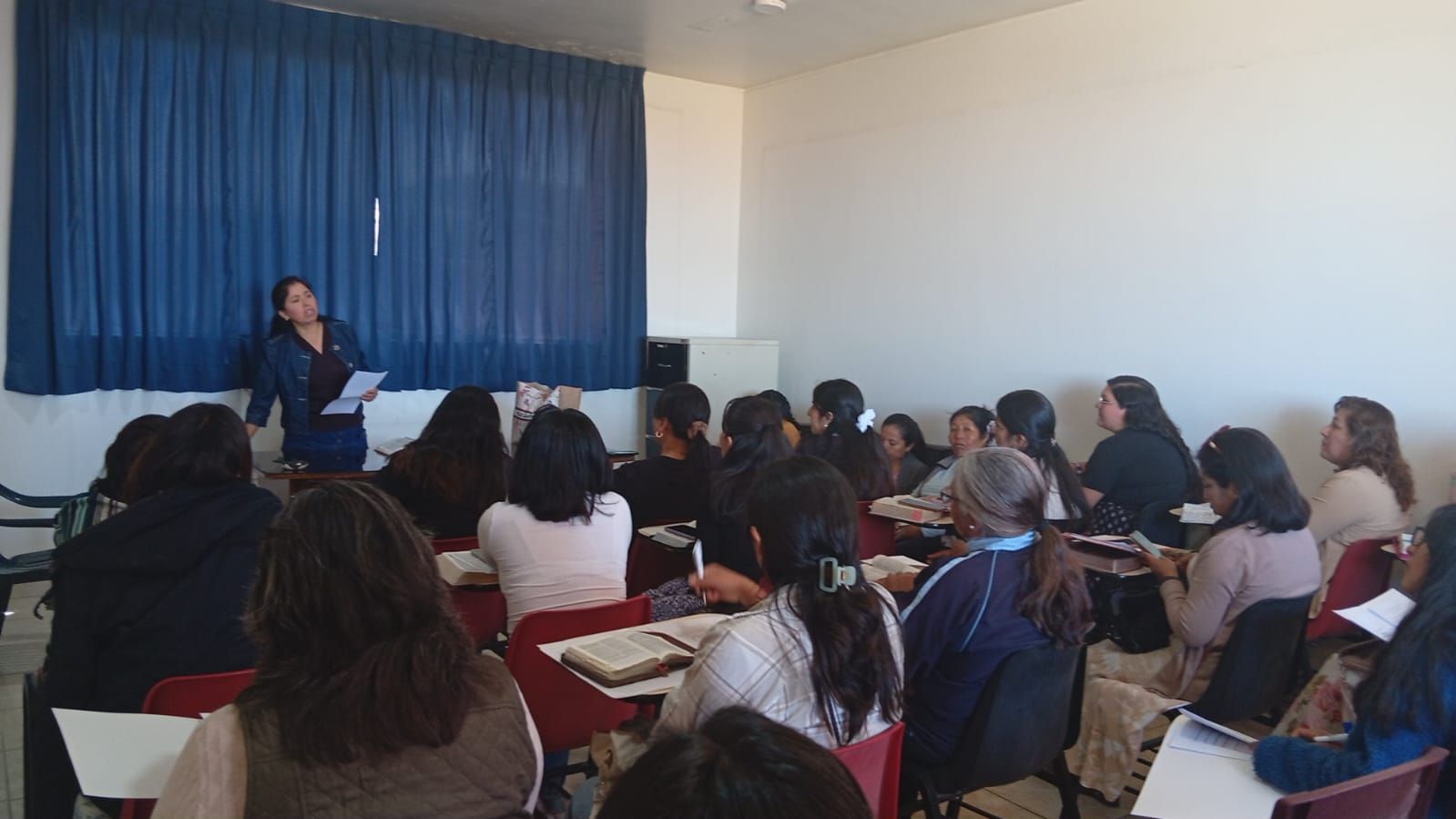
The missionary counts. He counts the people in the pews, the baptisms this year, the offerings, the new families. The numbers are up, and he feels good. When the numbers are down, he feels like a failure.
Either way, the counting has become the ministry. The results have quietly replaced the mission.
The Mistake
The goal was to glorify God and make disciples. That is what the missionary set out to do. Somewhere along the way, the goal became results. Bigger. Faster. More.
Results are not evil. Fruit is good. God loves fruit. But when results become the measure, the missionary stops serving the Lord and starts serving the numbers. And the numbers are a hard master.
He preaches what draws a crowd instead of what the people need. He counts decisions instead of disciples. He compares his field with the next missionary's field, and his heart sinks or swells with the comparison. He begins to ask a different question than the one he started with. Not, am I faithful? But is it working? And once the question changes, the whole work of church planting changes with it.
That is the deception. Results can be produced without faithfulness, and faithfulness can exist without results. A man can fill a building and never make a disciple. A man can preach for years to a handful and be more faithful than the one with the crowd. Numbers can't tell you which one you are. Only the mission can.
Why It Happens
It happens because results are visible and faithfulness is not.
Nobody can see a faithful heart. Everybody can see a full room. So the missionary's worth gets measured by what can be seen, and he begins to measure himself the same way.
The supporters back home ask for numbers. The reports demand them. The donors want growth charts. The agency wants to know how many, how fast, how much, as if church planting were a business and the missionary a salesman. The missionary feels the daily weight of it: produce, or perish. So he produces. And the more he produces, the more the results become the point, until the mission is only the excuse for the results.
And results feel like proof that God is pleased. When the crowd grows, the missionary assumes God is smiling. When the crowd shrinks, he assumes God is displeased. But the crowd is a poor judge of God's pleasure. Crowds followed Jesus for the bread, and left Him when the bread ran out. The size of the crowd never told the truth about the preacher's faithfulness
.
What the Bible Says
Paul put the requirement in one sentence.
"Moreover it is required in stewards, that a man be found faithful."
Not fruitful. Not successful. Not impressive. Faithful. The requirement for a steward is faithfulness, because the steward does not own the work. He manages what belongs to another, and his job is to be found faithful by the Owner, not to impress the neighbors with the size of the harvest.
Jesus said where the glory comes from.
"Herein is my Father glorified, that ye bear much fruit; so shall ye be my disciples."
Fruit glorifies the Father. But read how the fruit comes. The branch does not produce fruit by straining. It produces fruit by abiding. "Without me ye can do nothing." The missionary's part is to abide, to stay close to the Vine, to preach the Word, to love the people, to obey. The fruit is the Vine's business.
"But seek ye first the kingdom of God, and his righteousness; and all these things shall be added unto you."
Seek first the kingdom. Not the results. The kingdom. When the missionary seeks the kingdom first, the results come in their time, in God's way. When he seeks the results first, he loses the kingdom and often the results too, because he has traded the real thing for the appearance of it.
"Whether therefore ye eat, or drink, or whatsoever ye do, do all to the glory of God."
That is the mission, in one line. Do all to the glory of God. Not to the glory of the missionary. Not to the glory of the agency. Not to the glory of the report. To the glory of God. Every decision in the church plant should be judged by that one question: does this glorify God, or does it only grow the numbers?
Paul warned about the other measure.
"For we dare not make ourselves of the number, or compare ourselves with ourselves: for they measuring themselves by themselves, and comparing themselves among themselves, are not wise."
Comparing your field with another man's field is not wise. God gave you your field, your people, your time, your measure. The missionary in the next town may have a hundred converts, and you may have ten. That tells you nothing about who is faithful. The only measure that matters is the one God gave you: are you faithful where He put you?
And Habakkuk learned to praise God when there were no results at all.
"Although the fig tree shall not blossom, neither shall fruit be in the vines; the labour of the olive shall fail, and the fields shall yield no meat; the flock shall be cut off from the fold, and there shall be no herd in the stalls: Yet I will rejoice in the Lord, I will joy in the God of my salvation."
No blossom. No fruit. No flock. No herd. Yet I will rejoice in the Lord. That is faithfulness. The man who can rejoice when the numbers are zero is the man the numbers never owned.
What Faithfulness Looks Like
Faithfulness looks like preaching the whole counsel of God, even when it thins the crowd. Jesus watched many of His disciples walk away, and He did not soften the truth to keep them. "From that time many of his disciples went back, and walked no more with him." He let them go. The crowd leaving did not make Him unfaithful. It proved He was faithful.
Faithfulness looks like discipling one man deeply instead of gathering a hundred shallowly. It looks like counting obedience, not attendance. Did the people hear the Word? Did they obey it? Did one man grow? That is the count that matters.
Faithfulness looks like trusting God with the increase. You plant. You water. You preach. You love. You wait. God gives the growth in His time, and the growth is His to give. The missionary who believes the outcome depends on him has slipped from stewardship into striving, and striving will wear him out and warp the work.
Here is the test. If God took away the visible results tomorrow, if the crowd shrank and the baptisms stopped and the reports went blank, would you still do the work the same way? If the answer is no, the results own you. If the answer is yes, you are free.
How to Keep the Focus
Fix the mission where you can see it. Write it down and put it where you will read it every morning: glorify God, make disciples. Then judge every decision by it, not by the numbers. Will this glorify God? Will this make a disciple? If it only grows the crowd, let it go.
Report faithfulness to your supporters, not only figures. Tell them about the man who is growing, the woman who forgave, the young believer who shared his faith for the first time. Those are the results that last. The numbers will follow in their time, but the numbers are not the story. The people are.
Compare yourself to the mission, not to other missionaries. God did not call you to be the man in the next town. He called you to be faithful in your town, with your people, in your measure. The moment you start measuring yourself by another man's field, you have lost the mission.
And rest in this: the increase belongs to God. You were never asked to produce it. You were asked to be faithful. That is a lighter yoke than the one the results lay on you, and it is the only one God ever gave.
The Mission Is Enough
God never asked the missionary for results. He asked for faithfulness.
The results are His business. The harvest is His. The growth is His. The glory is His. Your business is the mission: preach the gospel, make disciples, glorify God, and be found faithful.
The missionary who stays faithful to that mission will not always have the biggest numbers. He will have something better. A clear conscience, a quiet heart, and the knowledge that he did what God asked him to do, and left the rest to God.
That is enough. It was always enough. The results were never the mission. Faithfulness was.