The Sustainability Struggle
A church plant that never passes the work to local hands will not outlive the missionary.

I have watched it happen more than once.
A missionary arrives in a new place with a full heart and a full calendar. He preaches. He teaches. He visits the sick. He handles the money. He makes every decision. The people love him, and they should. He is giving his life for them.
But a year goes by, then five, then ten, and the church still runs on one man. Nothing has ever passed to other hands. And that is the mistake.
The mistake is simple to name: the planter never involved local believers in leading and deciding. He did the work for them instead of doing the work with them. He meant well. Most of the time he worked himself to the bone. But a church built on one man is a church that will fall with one man.
What Happens When He Leaves
Sooner or later, every planter leaves. It may be furlough. It may be sickness. It may be a call to another field. It may be old age. It may be death.
And when he goes, the truth comes out. If no local man can preach, the pulpit goes silent. If no local man can counsel, the hurting go without help. If no one knows where the money goes, the bills go unpaid. If no one has ever made a decision, no one knows how.
The church does not die because the people stopped loving God. It dies because they were never trusted with God's work. They were an audience, not a body. They watched a ministry instead of sharing one.
I have seen a church fold within months of the missionary leaving. I have seen another one sit and wait, like a child waiting for a parent to come back and tell it what to do. Both had full rooms. Both had good preaching. Neither had local leaders. And a full room is not a church. A church is a people who can stand and carry the work when the planter is gone.
Moses Learned It the Hard Way
Moses was the most gifted leader Israel ever had, and he was killing himself with the work. From morning until evening he sat and judged the people, and the people stood around him all day long. His father-in-law Jethro watched it and said it plainly.
"The thing that thou doest is not good. Thou wilt surely wear away, both thou, and this people that is with thee: for this thing is too heavy for thee; thou art not able to perform it thyself alone" (Exodus 18:17-18).
Jethro did not tell Moses to preach harder or pray longer. He told him to share the load.
"Provide out of all the people able men, such as fear God, men of truth, hating covetousness; and place such over them, to be rulers of thousands, and rulers of hundreds, rulers of fifties, and rulers of tens" (Exodus 18:21).
That is the pattern all through Scripture. God raises up one man to start the work, and then God expects that man to raise up others to carry it.
Paul Left Elders Behind
Paul never planted a church and left it in the hands of a stranger or a committee back home. On his way back through the cities where he had preached, he did the same thing everywhere.
"And when they had ordained them elders in every church, and had prayed with fasting, they commended them to the Lord, on whom they believed" (Acts 14:23).
He left elders behind. Local men. Men from that city, from that church, who knew the people and the place. He told Titus to do the same:
"ordain elders in every city, as I had appointed thee" (Titus 1:5).
And he told Timothy the rule that keeps the work going from one generation to the next:
"And the things that thou hast heard of me among many witnesses, the same commit thou to faithful men, who shall be able to teach others also" (2 Timothy 2:2).
Four generations in one verse. Paul taught Timothy. Timothy taught faithful men. Faithful men taught others. That is how a church outlives its planter. Not by finding a better man to replace him. By raising up faithful men who can also teach others.
Jesus did it the same way.
"And he ordained twelve, that they should be with him, and that he might send them forth to preach" (Mark 3:14).
They were with Him first. Then He sent them. Being with Him was the training, and sending them was the point.
The apostles learned it too. When the daily work of caring for widows grew too big for them, they did not work longer hours. They said,
"Look ye out among you seven men of honest report, full of the Holy Ghost and wisdom, whom we may appoint over this business" (Acts 6:3).
They handed real work to real men and let them do it.
Why We Hold On
If the Bible is this clear, why do so many planters hold on to everything?
Part of it is speed. It is faster to do it yourself. Training a man takes time, and his first sermon will not be as good as yours. His first visit will be clumsy. His first decision may be wrong. Doing it yourself is quicker, and the work looks better in the short run.
Part of it is fear. He might get it wrong, and his mistakes will be public. The people might follow him in a direction you would not go. Letting go feels like losing control.
Part of it is money. When the support comes from outside, the decisions stay with the man who brings the money. The church never learns to give, so it never learns to decide. A church paid for from the outside will always answer to the outside.
And part of it is pride, plain and simple. The work bears your name. The people look to you. It feels good to be needed. A man can preach about humility on Sunday and hold the whole church in his own hands on Monday.
None of those reasons are honest enough to stand up to the truth. A church that depends on one man will not last. The question is not whether the planter will leave. The question is whether he will leave leaders behind.
Hand It Over While You Are Still There
The fix is not complicated, but it has to start early. Not in the last year. In the first month.
Let a local brother open in prayer, lead the singing, and give the announcements. Let him visit with you, and then let him visit without you. Let him teach a class, then preach a sermon, then sit with a family in trouble and help them find their way. Give him real work, not just chores. A man grows by carrying weight, not by watching someone else carry it.
Train men by working beside them, not just in a classroom. Jesus kept His men with Him day after day, then sent them out. A school can help, and I believe in training schools. We started the Peru Baptist College for this very reason, to train Peruvian men to lead Peruvian churches. But a classroom alone will not do it. A man learns to lead by leading, with an older man beside him to guide him and correct him.
Let them decide real things, and live with their decisions. A church that only votes on the color of the carpet has not learned to lead. Let local men decide about discipline, the budget, who preaches, and how the church reaches its own neighbors. They will make mistakes. So did you. A church that has never been allowed to decide has never been allowed to grow up.
Let the church give its own money and carry its own bills, a little at a time. A church that gives will own the work. A church that only receives will always wait for the next check from far away.
I have said it before, and I will say it again: if you spend three and a half years and can only train eleven decent men, you will have done a world-changing ministry. Eleven men who can preach, who can lead, and who can also teach others. That is a church that will stand.
A Church That Belongs to Its People
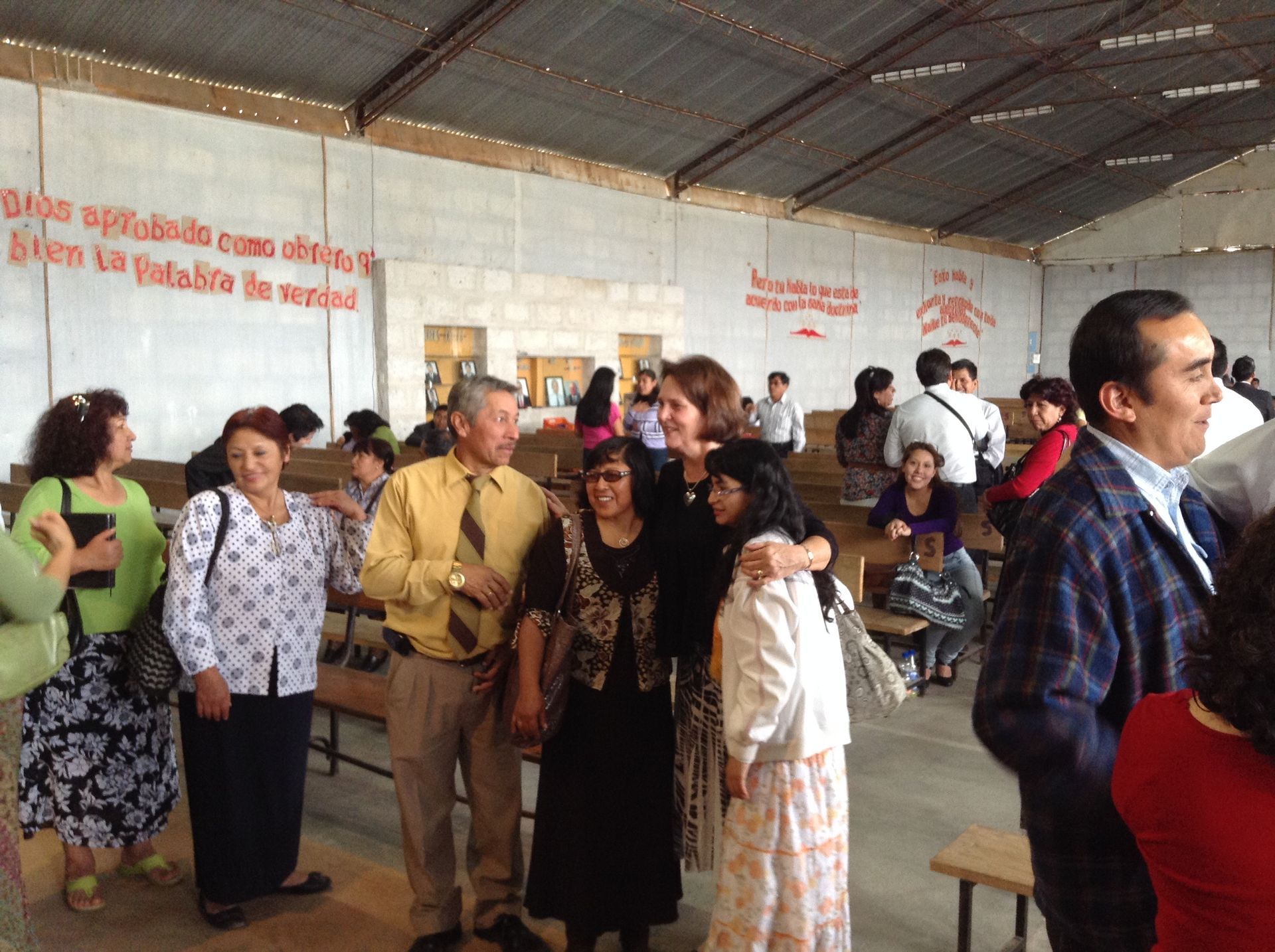
A church led by its own people fits its own place. It speaks the language of the street, not the language of the missionary. It knows the neighbors, the customs, the hurts, and the hopes of that town, because its leaders live there. It reaches people the missionary could never reach, because the leaders are the neighbors themselves.
That is what makes a church plant last. Not the building. Not the budget. Not the gifts of the planter. The people of that place, serving God in that place, under leaders from that place.
Here are the signs to watch for. If the missionary is the only preacher, the only counselor, and the only one who knows where the money goes, the church is in danger. If the church cancels the meeting when he is gone, the church is in danger. If no local man can baptize, or marry, or bury, or settle a dispute without him, the church is in danger. Those are not signs of a strong church. They are signs of a church that has never been handed the work.
This is not about the missionary stepping back because he is tired. It is about loving the people enough to trust them with the work God gave them. The same Lord who saved them can use them. The same Spirit who lives in the missionary lives in them. To hold the work back from them is to say, unintentionally, that God can only work through one man. And that is not true.
"Feed the flock of God which is among you, taking the oversight thereof, not by constraint, but willingly; not for filthy lucre, but of a ready mind; Neither as being lords over God's heritage, but being ensamples to the flock" (1 Peter 5:2-3).
A shepherd does not own the sheep. He serves them, shows them the way, and raises up other shepherds among them.
The Day the Plant Becomes a Church
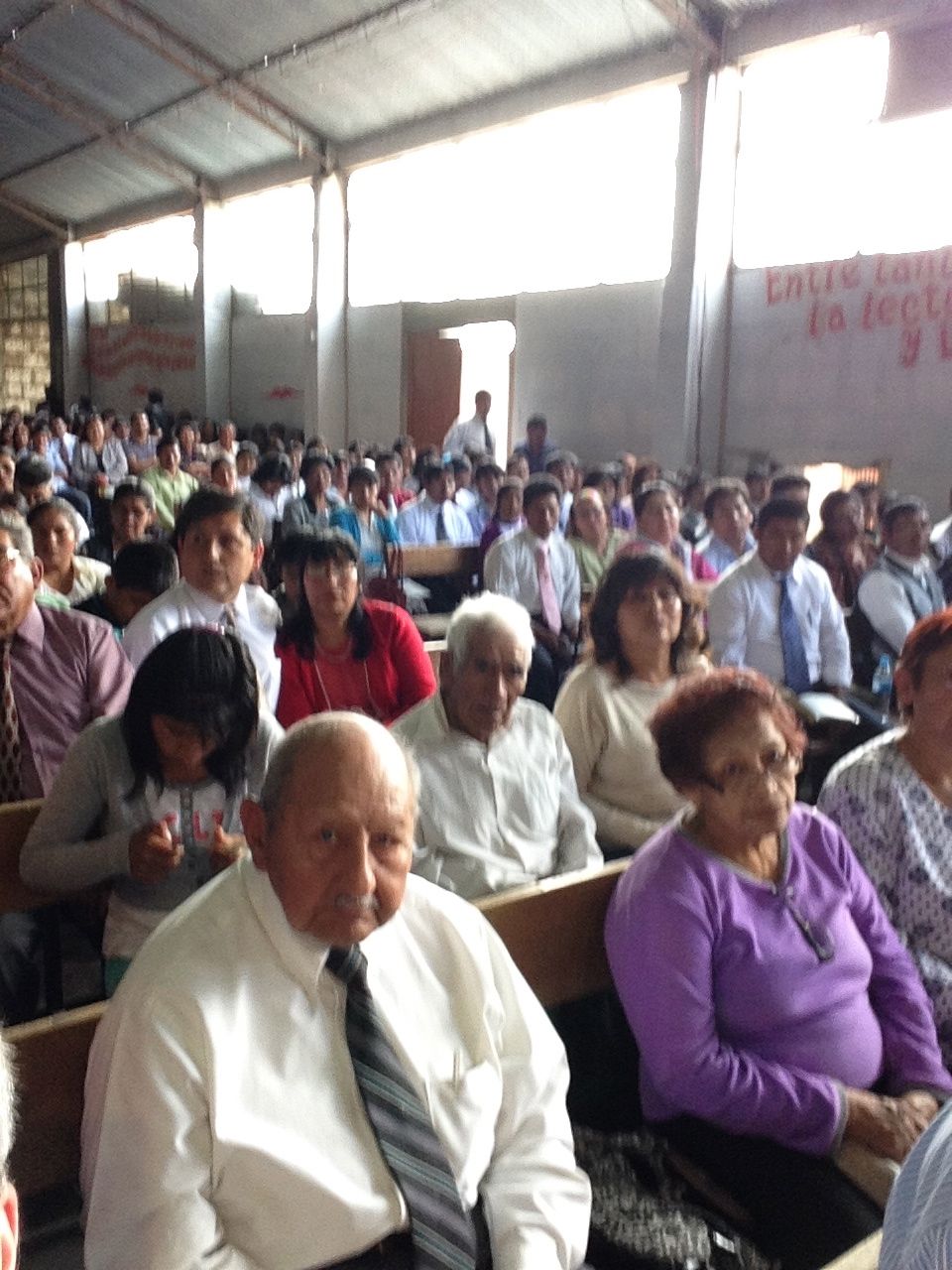
Picture the day the planter leaves for good. The plane is gone. Sunday comes. The doors open. A local elder stands to preach. The believers sing. The offering is gathered from their own hands. A neighbor walks in, and a man from his own street welcomes him.
That is the day the church plant becomes a church. It no longer depends on one man. It belongs to its people, under the Lord, and it will stand when the planter is gone.
That is the goal. Build it so it stands without you, and it will stand long after you. Put the work in local hands, trust God to work through them as much as He worked through you, and leave behind a church, not a memory.