The Twelve, the Three, and the One He Loved
You Can’t Disciple People from a Distance.

There are real problems with doing discipleship this way: getting close to a few, investing your actual life in them instead of just teaching a crowd.
It takes longer. It costs more. And it can breed jealousy among the ones who aren't in the inner circle.
So why did Jesus do it anyway?
Even Jesus Didn't Have Much Privacy
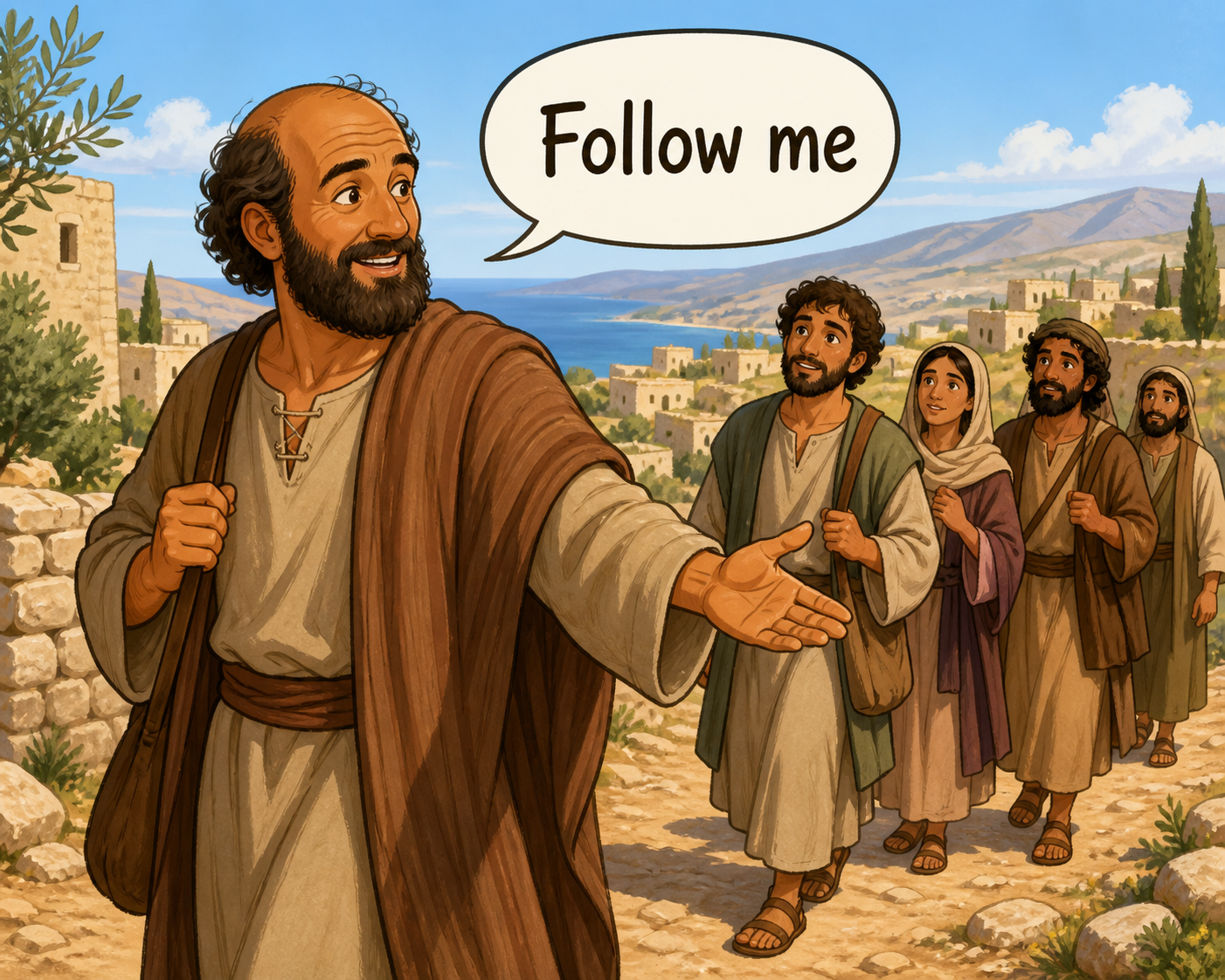
Look at how He worked. Crowds of regular folks showed up and drifted off. Then He sent out seventy with a real assignment. Then He kept twelve close. Of those twelve, three walked with Him into the hardest moments. And of those three, one leaned on His chest at supper and called himself the one Jesus loved.
That's not favoritism. That's just how you build something that lasts.
Notice something else. Jesus barely had a private moment to Himself. Paul had to go to prison to finally get some quiet, and even there, people kept showing up to be near him. That's the trade. You don't get close to people and keep your life to yourself. Closeness costs you privacy, time, and sometimes peace.
You're Going to Get Hurt, Plan on It
Some people will use you. That's just true, and it's not new.
Paul had his
Demas, a man who loved this present world more than he loved the work and walked away. Jesus had His Judas. Some will follow you because you're American and you have resources. Others will follow you because they genuinely want what you have. Jesus said plainly that people followed Him for the bread and the miracles, not always for Him.
Here's what nobody tells you going in: the closer you get, the more it can hurt. You'll pour your actual life into people, and some of them will still deceive you. That's not a reason to hold back. If you spend your energy cataloging every way discipleship could go wrong, you'll always have an excuse not to do it. Jesus had every reason to protect Himself. He chose people instead.
Discipleship Isn't Teaching. It's Loving.
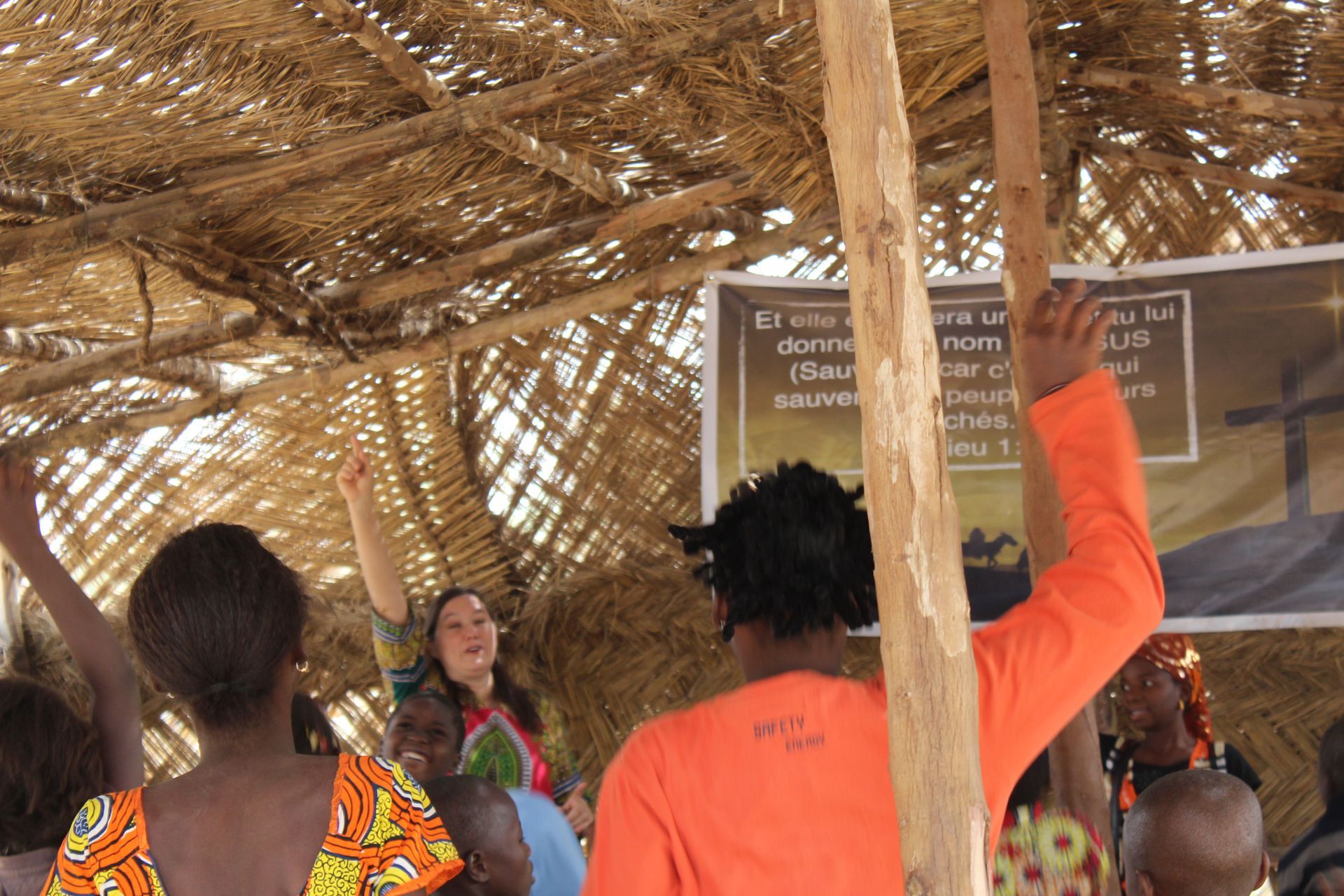
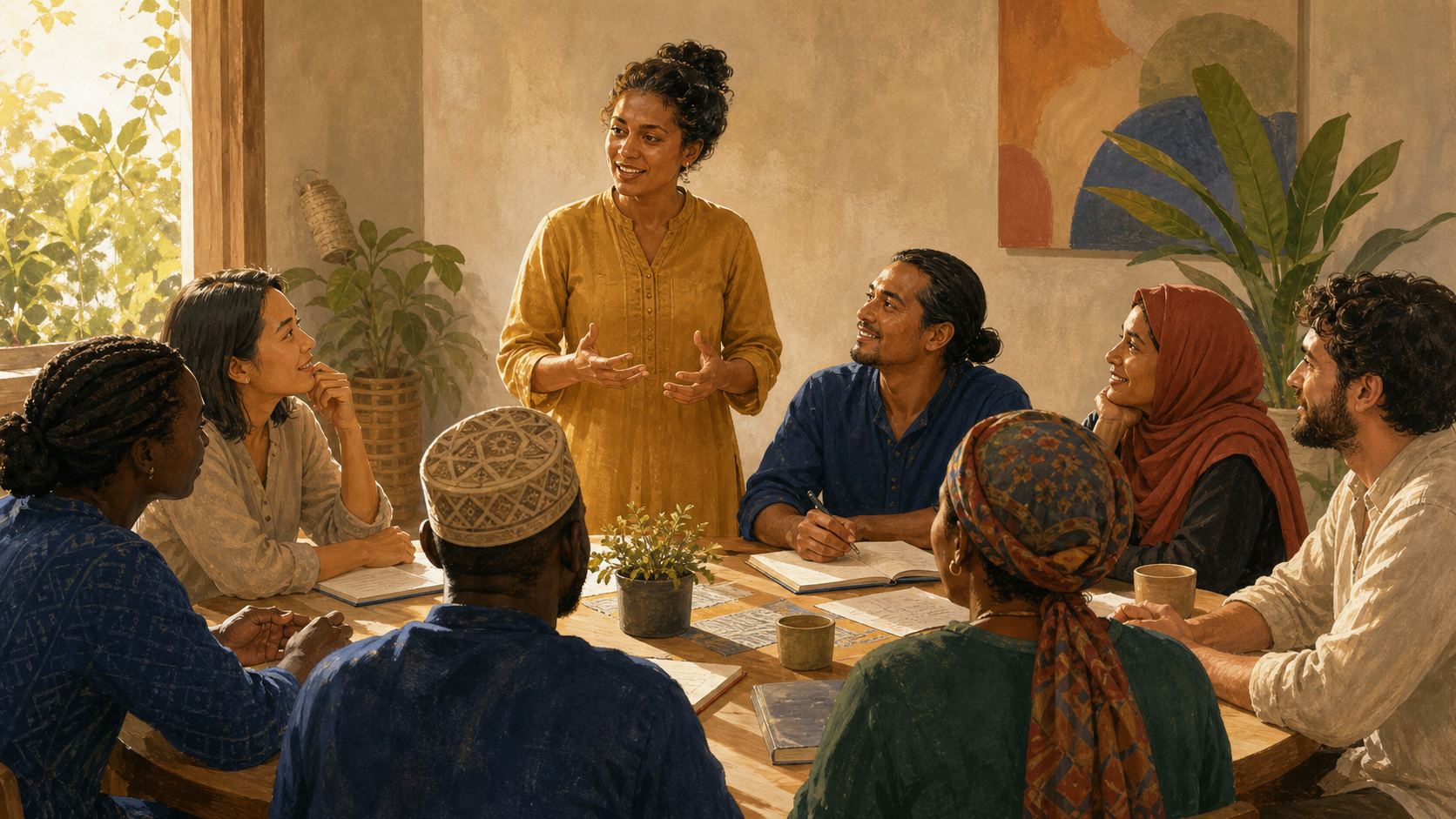
Discipling someone isn't handing out instructions or bossing people around. It's loving them enough to be with them, work alongside them, rest alongside them, and laugh at what they laugh at.
That means learning their language. Really learning it, not just enough to get by. It means eating what they eat instead of hunting down familiar food from home. Missionaries who never really learn the language, who stay close to other Americans and keep their old habits intact, wound the very people they came to serve, even when nobody says so out loud. Jesus became one of us. Fully. Even though He never stopped being who He was.
Paul Became One of Them
Paul understood this better than almost anyone. He gave up his rights, his comfort, and much of his identity to reach people who weren't like him.
"For though I be free from all men, yet have I made myself servant unto all, that I might gain the more. And unto the Jews I became as a Jew, that I might gain the Jews; to them that are under the law, as under the law, that I might gain them that are under the law; To them that are without law, as without law, (being not without law to God, but under the law to Christ,) that I might gain them that are without law. To the weak became I as weak, that I might gain the weak: I am made all things to all men, that I might by all means save some. And this I do for the gospel's sake, that I might be partaker thereof with you." 1 Corinthians 9:19-23
Paul wasn't trying to turn Gentiles into Jews. He wasn't asking anyone to become like him. He simply became like them, so the gospel could reach them without anything extra standing in the way.
Peter Forgot
Then there's Peter, a good reminder that even the ones who walked with Jesus could still slide backward.
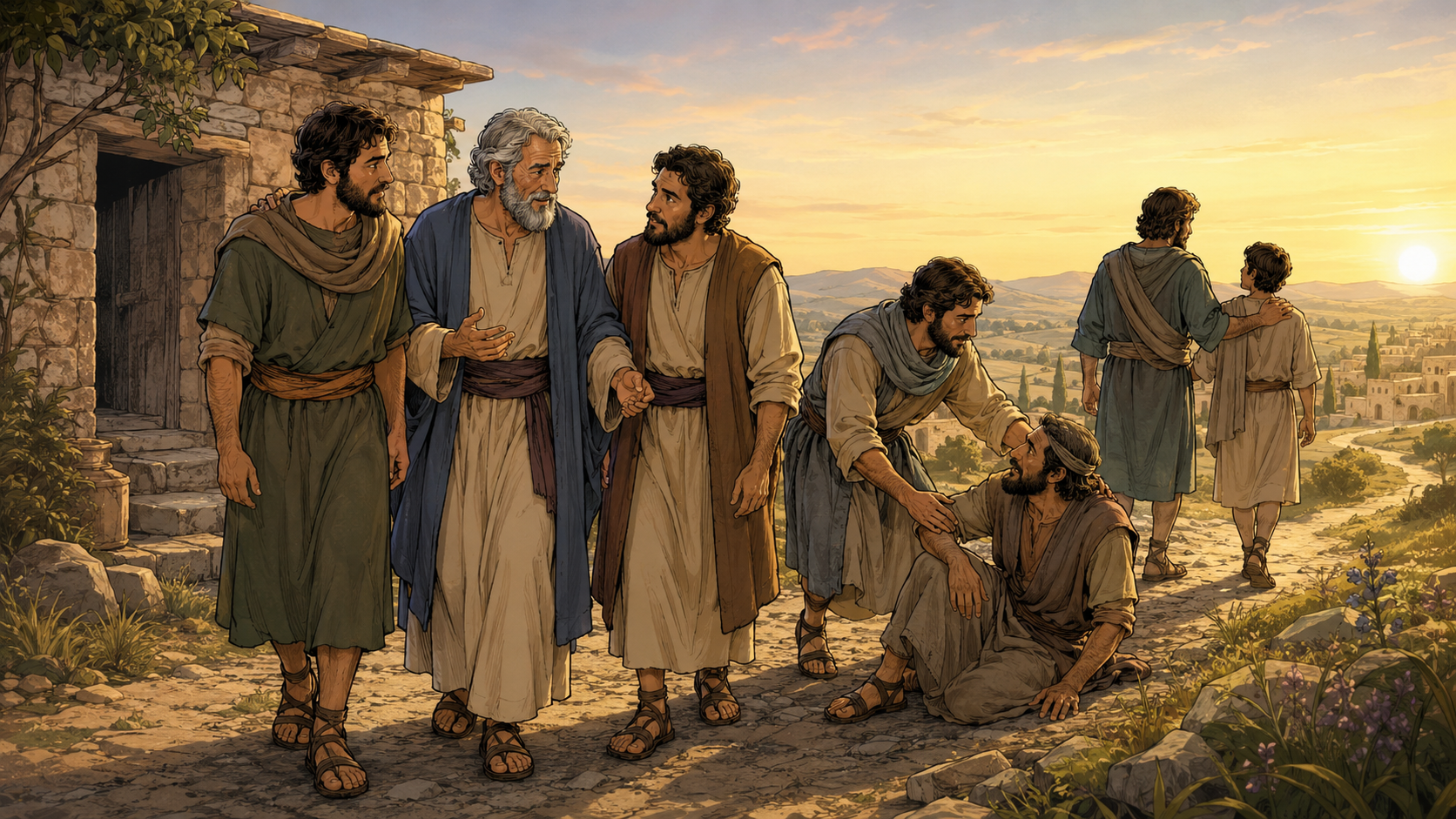
Peter sat with the Gentiles, ate with them, lived like one of them. Until certain men showed up from Jerusalem, and Peter pulled back, worried about what his own people would think.
"But when Peter was come to Antioch, I withstood him to the face, because he was to be blamed. For before that certain came from James, he did eat with the Gentiles: but when they were come, he withdrew and separated himself, fearing them which were of the circumcision. And the other Jews dissembled likewise with him; insomuch that Barnabas also was carried away with their dissimulation. But when I saw that they walked not uprightly according to the truth of the gospel, I said unto Peter before them all, If thou, being a Jew, livest after the manner of Gentiles, and not as do the Jews, why compellest thou the Gentiles to live as do the Jews?" Galatians 2:11-14
Even Barnabas got pulled along. It's a strange kind of gravity: the pull back toward your own tribe, your own comfort, your own way of doing things, and it's strong enough to catch good men off guard.
You're Not Building Little America
If you're going to reach people who aren't like you, something in you has to give. You'll lose a little of your own culture, or at least make room for theirs.
You can't hold people at arm's length and call it love. And you can't live somewhere while your heart stays somewhere else, building a little version of home in a country that was never meant to be home. People don't need your country. They need the gospel.
Wherever you are, you're standing on their ground, not yours.
Where This Actually Leads
This is what it cost Jesus to reach us. He didn't stay at a safe distance and shout instructions down to earth. He came and lived here, learned our language, felt our hunger, wept at our graves. He became one of us so completely that most people standing next to Him had no idea who they were looking at.
That's still how He reaches people. Through us, getting close enough to actually love someone, even knowing some of them will break our hearts.
It costs something. It always did. But you're not doing it alone, and you're not doing it to earn anything. You're just following the same road He already walked toward people, not away from them.