The Two Mistakes That Keep Missionaries From the Ministry They Really Want
Why lasting ministry grows when we trust God to work through local believers

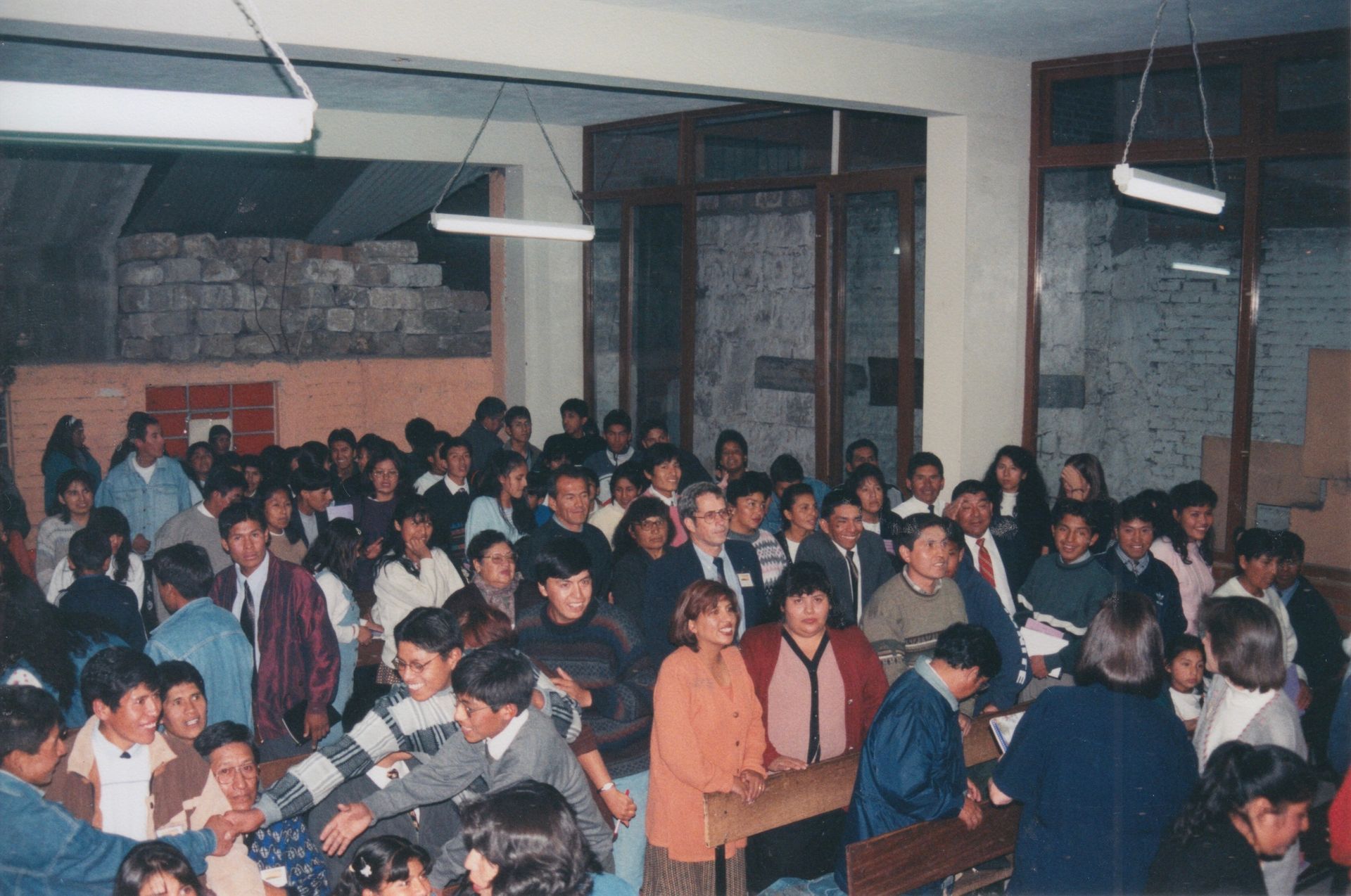
I've spent fifty years on mission fields in Mexico, Peru, and many places most people couldn't find on a map. I've watched works grow fast and then die the day the missionary left. After enough of that, you start looking for the pattern.
There are two mistakes I keep seeing. I made both of them myself. They don't look like mistakes at the time. They look like generosity and good leadership. But they quietly build something that can't survive without a foreigner running it, which means it was never really the church we said we wanted.
We Build What They Can't Rebuild
Every missionary shows up with more than the nationals have. More money. More materials. More equipment. And it feels right to use what God gave us for the people He sent us to.
But here's what happens. We build the building, buy the sound system, print the curriculum, fund the salary. The work looks strong. Then we leave, or the funding dries up, and the whole thing sags because nobody there could have built it in the first place. We didn't plant a church. We planted our wallet, and it can't reproduce itself.
Paul understood this better than we do. He worked with his hands so the churches he planted wouldn't come to depend on outside support to survive.
"Neither did we eat any man's bread for nought; but wrought with labour and travail night and day, that we might not be chargeable to any of you." (2 Thessalonians 3:8)
He wasn't trying to save money. He was making sure the church in Thessalonica could picture itself standing on its own two feet, because he never gave them a foundation they couldn't lay themselves.
Ask yourself before you spend or build anything: could the people I'm reaching do this again, on their own, after I'm gone? If the honest answer is no, you haven't multiplied a ministry. You've built a monument.
We Hand the Work to the Wrong Hands
The second mistake happens at the moment of transition, when a missionary is ready to move on. There's a national worker standing right there, someone we trained, someone who's proven faithful for years. And instead, we hand the work to another missionary.
It usually isn't malice. It's comfort. We trust people who think like us, who speak our language, who remind us of home. So the leadership stays foreign, generation after generation, while the very people we spent years training keep waiting for a turn that never comes.
Paul didn't do it that way. When he planted churches, he didn't leave another apostle in charge. He raised up elders from among the believers themselves.
"And when they had ordained them elders in every church, and had prayed with fasting, they commended them to the Lord, on whom they believed." (Acts 14:23)
He told Titus to do the same thing in Crete: "ordain elders in every city, as I had appointed thee." Not import more outside leadership. Ordain the ones already there.
If we keep replacing ourselves with more of ourselves, we haven't finished the work. We've just delayed the moment we have to trust the people we already trained.
What This Actually Costs Us
Both mistakes come from the same root. We say we want an indigenous, thriving, reproducing church. But we keep making decisions that only a foreigner with outside resources could make. We're not being unfaithful. We're being impatient, or afraid to let go, or more comfortable holding the reins than we realize.
The ministry we actually want, the one that outlives us and keeps multiplying long after we're gone, only happens when the nationals can do everything we did. Not a smaller version. The same thing, in their own hands, with what God has already given them.
That means fewer buildings we paid for and more elders we ordained. It means walking away from work we could still run better, and watching someone else run it their way instead. It's harder than it sounds. It felt like losing control the first time I did it.
But every lasting work I've ever seen on a mission field had a national standing at the front of it, not a missionary. God was never short on power. He was just waiting for us to get out of the way and trust the people He'd already been preparing the whole time.