What I've Noticed About People Who Actually Finish What They Start
How Faith, Focus, and Quiet Steadiness Help You Finish What You Start
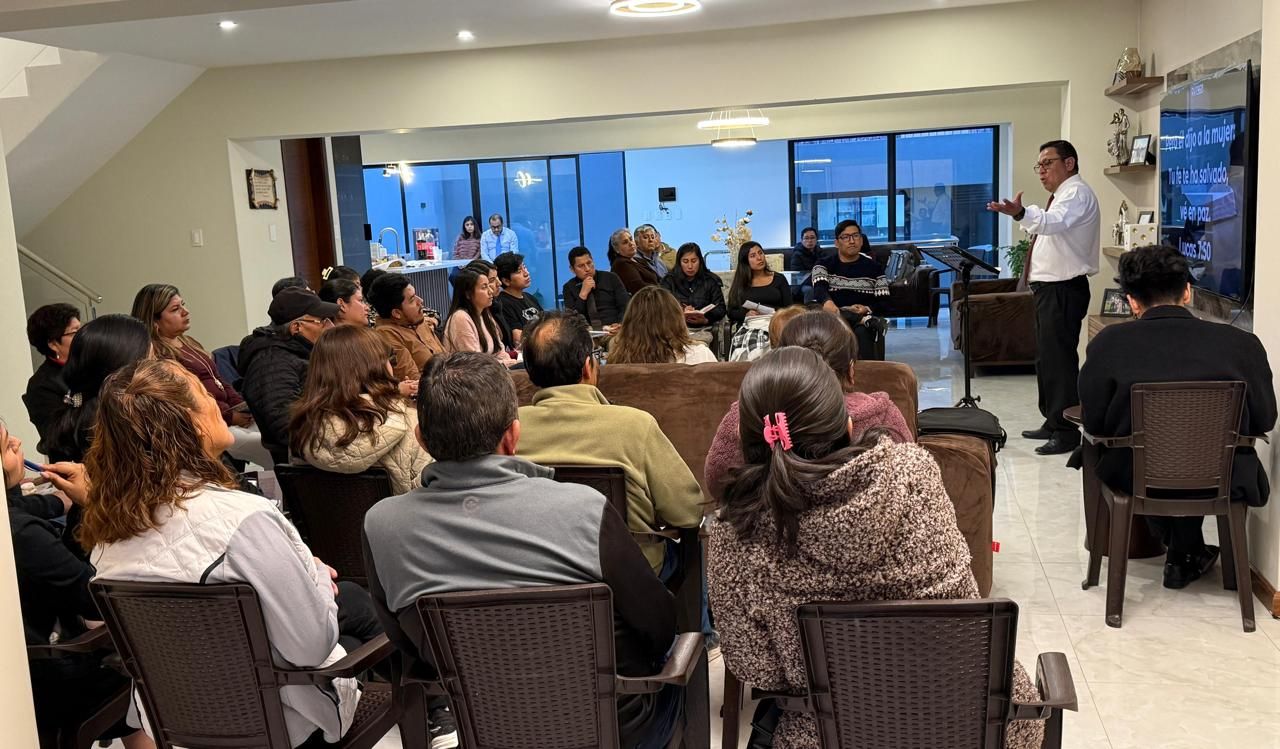
Fifty years of ministry will teach you to watch people. Not to judge them. To learn from them.
I've watched hundreds of people start something. A ministry. A marriage. A business. A book. Most of them meant it. Most of them wanted it badly.
But only a few finished.
Over the years I noticed a pattern in the ones who did. Not talent. Not luck. Something quieter than that: a handful of traits that kept showing up, in people who couldn't have been more different from one another.
I want to walk through what I saw. Not so you can grade yourself against a checklist. God already loves you completely, and nothing on this list changes that. But I think it might help explain why you keep starting things and never quite arriving, or why arriving feels harder than it should.
Where Real Confidence Comes From
Every finisher I've known carried a certain steadiness. Not arrogance. Not bravado. A quiet sense that they could do the thing in front of them.
It took me years to understand where that came from. It rarely came from believing in themselves. It came from believing something bigger than themselves was for them.
"I can do all things through Christ which strengtheneth me." (Philippians 4:13)
That's not a verse for coffee mugs. That's the actual engine behind real confidence. Not "I'm good enough," but "He is with me."
The same people who trusted God this way also made their own decisions instead of waiting for everyone else's approval. They still asked for counsel. They just didn't need permission before they moved. Asking God to lead you isn't the same as needing the whole room to agree first.
And they never called themselves lucky. Not out of pride, but out of attention. They had learned to see God's hand behind the doors that opened for them.
"The lot is cast into the lap; but the whole disposing thereof is of the LORD." (Proverbs 16:33)
What looked like luck to everyone watching, they quietly called provision.
Doers, Not Just Talkers
The second thing I noticed: they moved.
"Be ye doers of the word, and not hearers only." (James 1:22)
That verse was written about obeying God, but the principle stretches wider. Talk is cheap. Action costs something. The people who finish are the ones willing to pay it.
This is where two things run together: acting instead of just talking, and initiating instead of waiting to be told. They don't wait for perfect conditions. They start before they feel ready, because they've learned readiness usually shows up after the first step, not before it.
They Ask for the Truth, Not the Compliment
Finishers want to know how they're actually doing. Not flattery. Feedback.
"Faithful are the wounds of a friend." (Proverbs 27:6)
The people who grow invite that kind of honesty instead of running from it. They'd rather be corrected early than blindsided later.
That takes a security most of us don't start with. If your worth is riding on the outcome, criticism feels like a threat. But when you already know who you are in Christ, feedback just becomes information. It stops being a verdict on your value and becomes a tool you get to use.
Energy That Doesn't Run on Fumes
I used to think drive was just a personality trait. Some people have it, some don't. I don't believe that anymore.
Real, sustainable energy comes from somewhere. The people I've watched work hardest and longest weren't grinding on willpower. They were drawing from rest.
"Come unto me, all ye that labour and are heavy laden, and I will give you rest." (Matthew 11:28)
Christ's rest doesn't make a person lazy. It's what makes real energy last. Hustle burns out. Rest-fueled work doesn't.
Faith-Sized Goals
Here's a detail I find fascinating. The people who accomplish the most rarely pick the hardest possible goal, and they rarely pick the easiest one either. They pick something that stretches them without crushing them, hard enough to require faith but not so hard it invites despair.
Jesus told a story about a man who wanted to build a tower, and the wise thing he did first was sit down and count the cost. That's not hesitation. That's wisdom. A goal realistic enough to attempt and big enough to require God is usually the right size.
And when they started, they expected to finish. Not out of arrogance, but out of faith.
"And shall not doubt in his heart... he shall have whatsoever he saith." (Mark 11:23)
Expectation isn't presumption when it's rooted in trust, not ego.
Willing to Own It
Last thing. The people who finish don't run from responsibility. They step toward it.
Not because they're trying to prove something to God. He already sees them as complete in Christ. It's because they've stopped fearing failure before Him. When you know you're loved regardless of the outcome, responsibility stops feeling dangerous. You can pick up the weight, because you're no longer afraid of what happens if you drop it.
What This Isn't
I want to be honest about something. This isn't a formula for earning God's approval. You don't need to check every box on this list to be loved by Him. He loved you before you set a single goal, and He would love you just the same if you never finished another one.
But I've watched enough lives, mine included, to notice this: when you're secure in who you are in Christ, these traits tend to show up on their own. Not because you force them. Confidence, honesty, energy, and courage grow easily in soil that isn't afraid anymore.
If something you started is sitting unfinished right now, that's not a verdict on you. Start again. Ask for honest feedback. Rest before you push harder. And remember, the same God who began the good work in you is still the one finishing it.
That part was never up to you anyway.
If this kind of thing helps you, I write about grace and ordinary life like this every week, and I would love to have you along.
#FollowedByMercy #AudienceOfOne