WHAT IS A MISSIONARY?
The Calling, Character, and Work of Those Who Go First

I have been asked this question by more young men and women than I can count, usually across a kitchen table, usually with a Bible open in front of them and about a thousand fears sitting right beside it. They want to know if what is stirring inside them is real, or if they are just restless. So let me try to answer it plainly, after fifty years of trying to live the answer out in the mountains of Peru, the dust of Mexico, and more airport terminals than I could ever list.
A missionary is not a job title. It is not a badge you earn for being braver than everyone else. It is a specific calling with a specific shape, and understanding that shape will either confirm what God has already put in you or free you to stop chasing something that was never yours to carry.
The Word Behind the Word
Open your concordance and search for the word “missionary.” You will not find it. It never appears in Scripture. What you find instead are two older, sturdier words: evangelist and apostle.
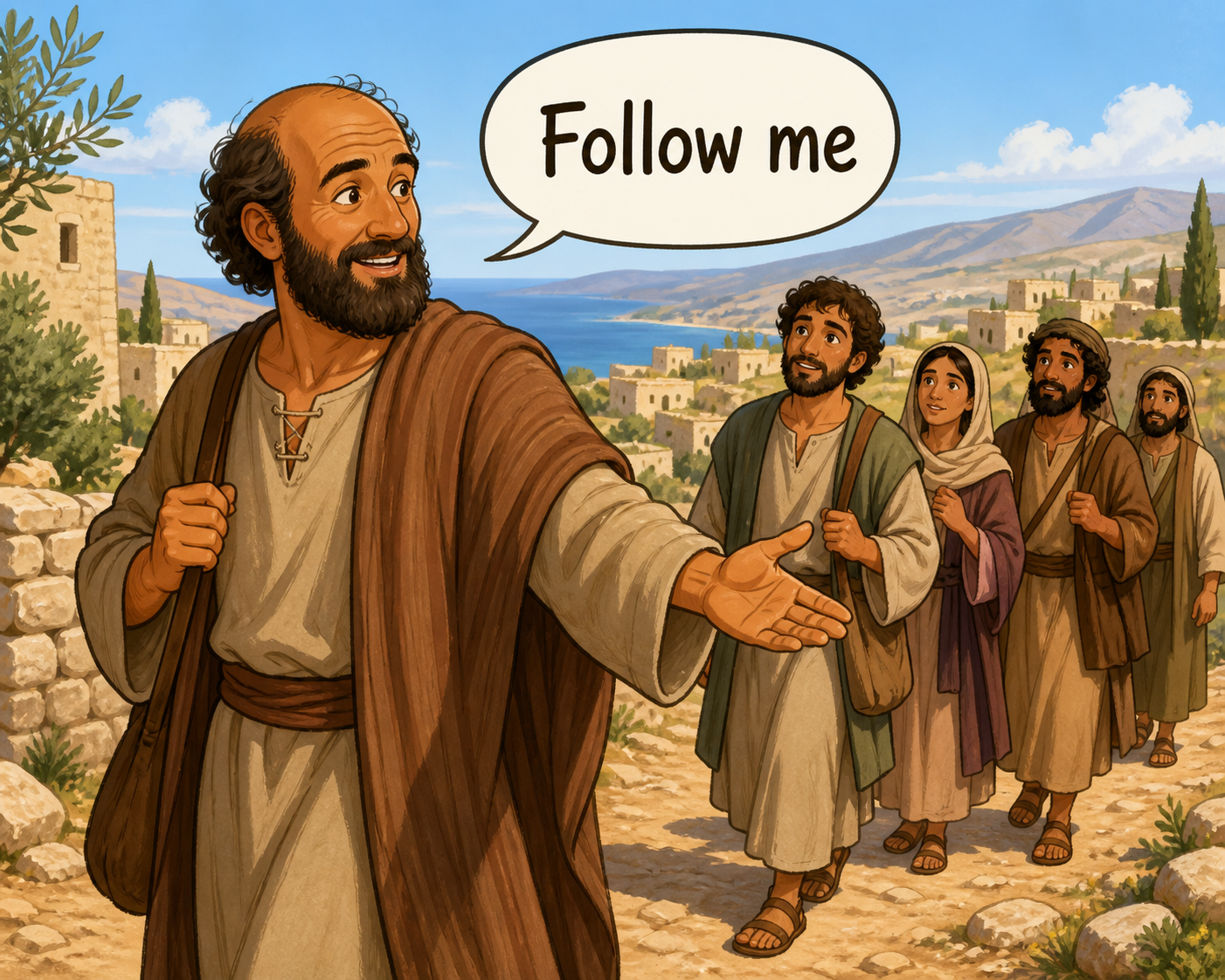
An apostle, at its root, means a sent one, someone dispatched with a message into ground that has not heard it yet. An evangelist carries a life bent toward one announcement: God is not angry, the door stands open, and mercy already got there first. Put those two words together, and you are close to what the church later started calling a missionary. He is the sent evangelist, the one dispatched to say what Jesus said, do what Jesus did, and go where the message has not yet traveled.
A Pioneer, Not a Settler
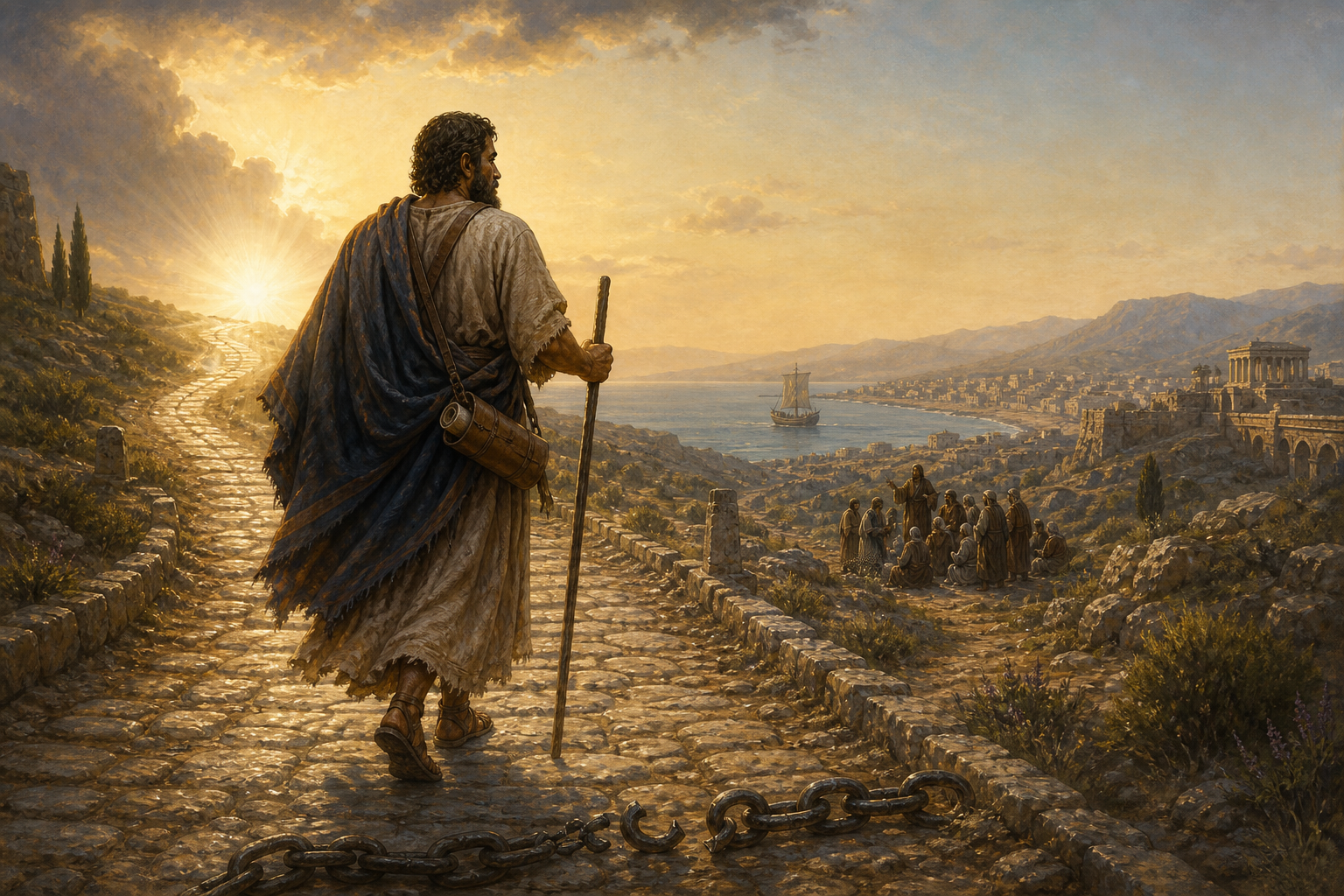
Every missionary I have ever respected shares one trait. He is a pioneer.
A pioneer does not move into a finished house. He clears land nobody has cleared. He is the first one through the tree line, the first one to cross the river, the first to plant a flag where no flag has stood. That is the missionary's temperament before it is ever his job description. He is drawn to the edge of the map, to the blank space, to the place where the road runs out.
This is why so many missionaries feel restless in comfortable places. It is not that they cannot sit still. God wired something in them that comes alive at frontiers. Wherever Christ has not been preached, that is home to them.
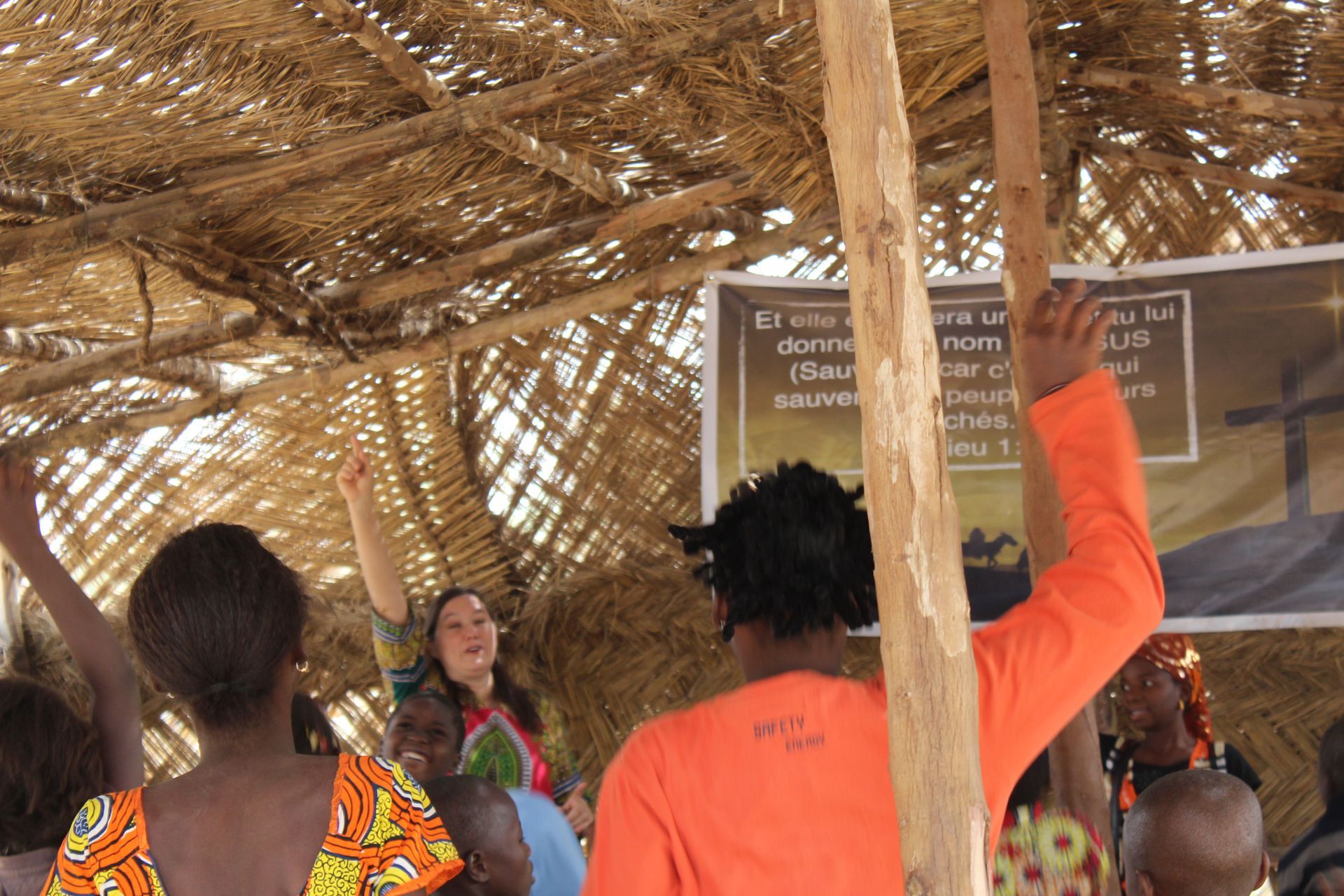
He is also a starter. Give a true missionary raw ground, and he will break it. Hand him a language no one around him speaks, and in time he will learn it well enough to weep in it. Put him in a village with no church, and before long you will find one meeting under a tin roof, singing off-key, alive. Starting is his gift, the beginning of things that did not exist before he arrived.
Two Callings, One Body
Here is where I want to be careful, because pride can sneak into this conversation if we are not watching. The missionary starts. The pastor maintains and finishes. Neither one is greater than the other.
A pastor takes what the missionary planted and stays. He waters it for twenty years, buries the saints, and marries their children. He shows up at two in the morning when someone is dying, and he is not less courageous because he stays in one place. Staying faithfully in one place for decades takes its own kind of grit, and honestly, some days I think it takes more.
Think of it like a relay race. The missionary runs the first leg, the leg nobody wants because it is uphill and there is no crowd cheering yet. The pastor takes the baton and carries it the rest of the way home. Both legs matter. Neither runner finishes the race alone.
Going Where No Man Has Gone
Paul gave us the clearest picture of this pioneering instinct anywhere in Scripture.
Yea, so have I strived to preach the gospel, not where Christ was named, lest I should build upon another man's foundation. Romans 15:20
To the Corinthians he said something similar, that his ambition was:
To preach the gospel in the regions beyond you, and not to boast in another man's line of things made ready to our hand. 2 Corinthians 10:16
Paul was not interested in redecorating someone else's church. He wanted the places where the name of Jesus had never once been spoken out loud. I have felt that same pull in my own life, standing in villages in the Andes where, as far as anyone could tell me, no one had ever prayed in the name of Jesus before. There is a holy weight to being first. You are not improving on something already there. You are planting something that never existed in that place until you came.
The Quiet Work of Preparing the Way
People rarely see how much of a missionary's work happens before anyone gets saved.
He translates Scripture into a language that has never held it. Sometimes he writes the first hymn a people group will ever sing to Jesus in their own tongue. And he builds the tools, the primers, the radio scripts, the discipleship material, all the unglamorous scaffolding that has to exist before the harvest can even begin.
I spent years doing work like that in Peru long before I saw the fruit of it. Preparing materials is not the part anyone writes home about. But without it, nothing that comes after can stand.
Multiplying Himself Instead of His Workload
Then comes the part that separates a true missionary from someone who simply enjoys ministry in a foreign country. He trains men.
Paul told Timothy:
The things that thou hast heard of me among many witnesses, the same commit thou to faithful men, who shall be able to teach others also. 2 Timothy 2:2
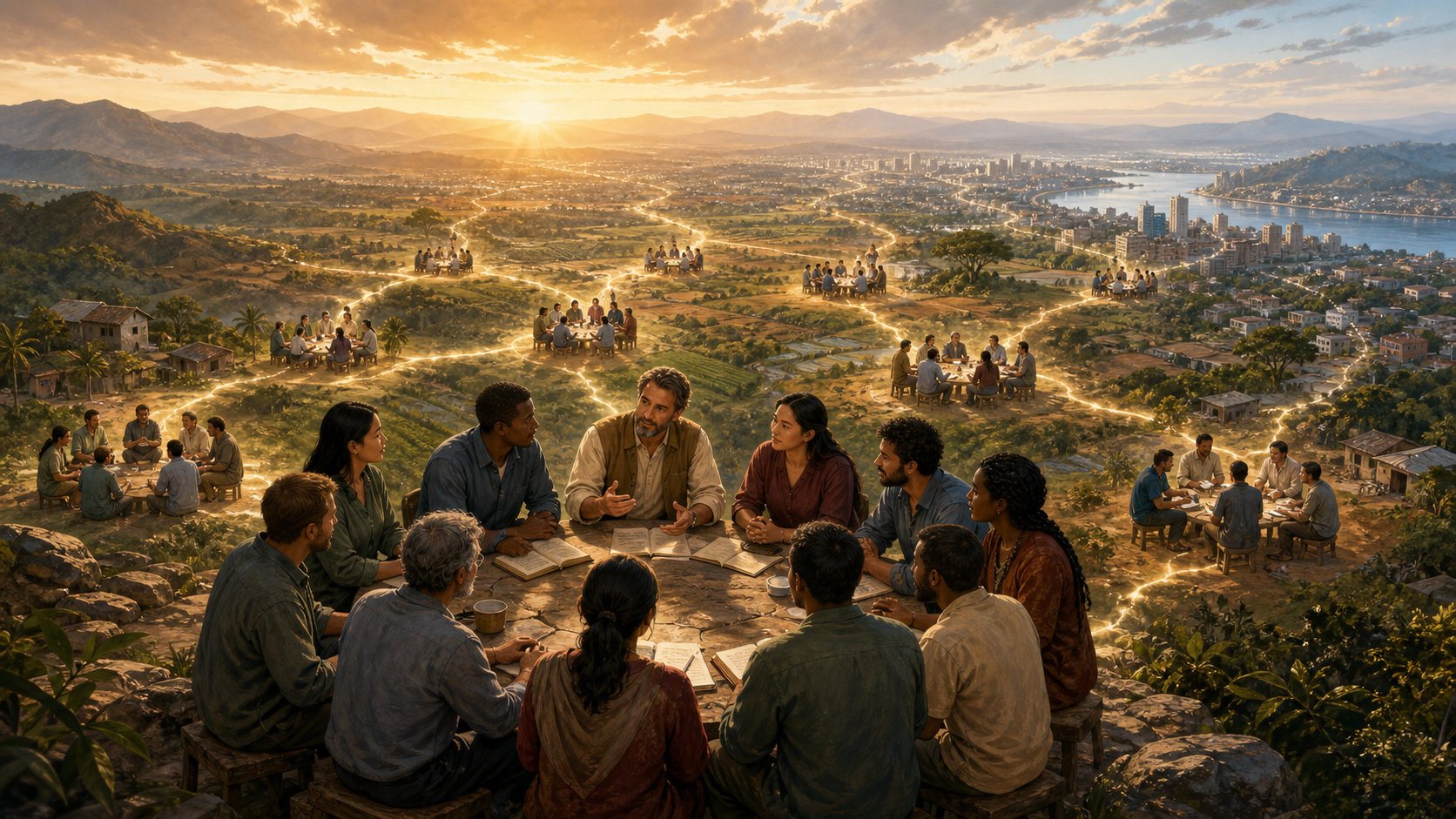
Notice the chain in that verse. Paul to Timothy. Timothy to faithful men. Those faithful men to others still. That is not addition; it is multiplication, and it is the actual engine behind everything we call missions.
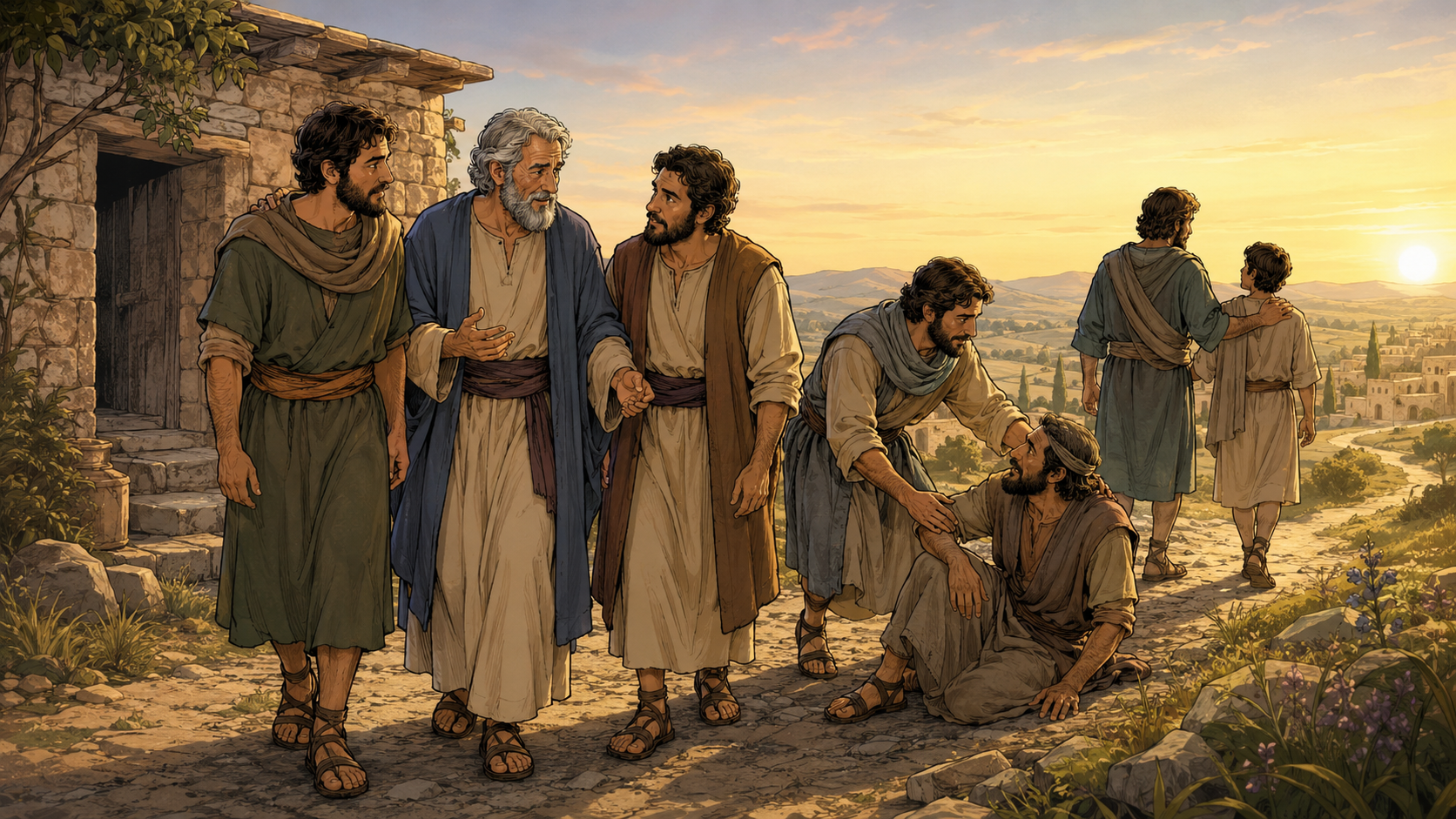
A missionary who never trains anyone has built a personality-driven work that will die when he leaves. A missionary who trains leaders, and then makes sure those leaders know how to train the next generation themselves, has built something that outlives him. He is not trying to be needed forever. He is trying to make himself unnecessary, on purpose, as fast as grace allows.
Giving the Work Away
This, more than anything, separates real missionaries from men who simply like being in charge. Eventually he turns the work over to a national.
This is the hardest step and the most Christlike one. Everything in a leader wants to hold on a little longer, tighten the grip a little more, stay just one more season because surely it is not quite ready yet. But the missionary who finishes well hands the keys to a Peruvian pastor, a Mexican elder, a national leader raised up from the very soil he came to reach, and then he steps back. Sometimes he leaves the country entirely, not because he stopped caring, but because he finally cared more about the harvest than about his own name being attached to it.
I have watched men build beautiful works and then choke the life out of them by refusing to let go. And I have watched other men hand everything over, walk away empty-handed, grieve the loss for months, and still know in their gut that letting go was the most obedient thing they had ever done.
The Heart of It All
If you take nothing else from this, take this. A missionary is simply someone who trusted that God's love was real enough to carry into places that had never heard of it, and who was willing to be forgotten so the message would not be.
That call is not reserved for the extraordinary few who feel nothing but courage. Most of the missionaries I have known were terrified half the time. They just decided their fear did not get the final vote. If that stirring in your chest will not leave you alone, do not assume it means you have to be fearless. It just means grace has already gone ahead of you into whatever ground you are about to break.
Wherever you are standing right now, pioneer or settler, sent one or the one who stays, you are loved the same by the Father who sent His own Son into the hardest, farthest country of all just to bring us home.
If this stirred something in you, come sit with me a while longer. I send letters like this one to anyone who wants a clearer view of the Father, and I would love to have you along.
#FollowedByMercy #AudienceOfOne