The Freedom of 'No': Why Biblical Contentment is a Leader's Greatest Shield
How Knowing Christ Is Enough Sets Leaders Free from the Tyranny of More

I want to ask you something uncomfortable: Can you be bought?
I don't mean in some dramatic, mob-movie kind of way. I mean: Is there
a number, a title, a level of applause that would make you bend? A platform big enough that you'd compromise just a little? A donor influential enough that you'd adjust your message?
Most of us would say no. But the truth is, we don't really know until the offer comes.
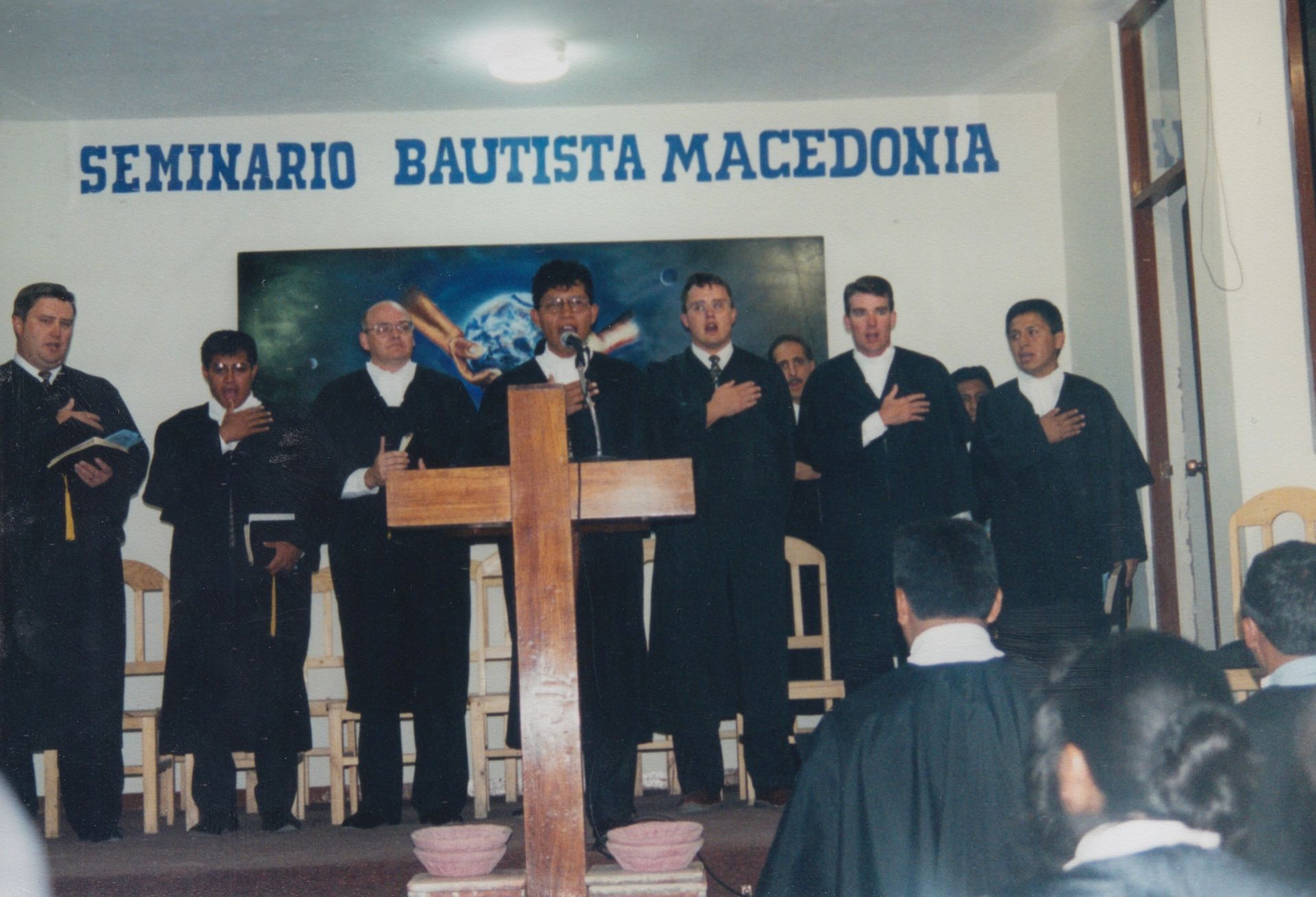
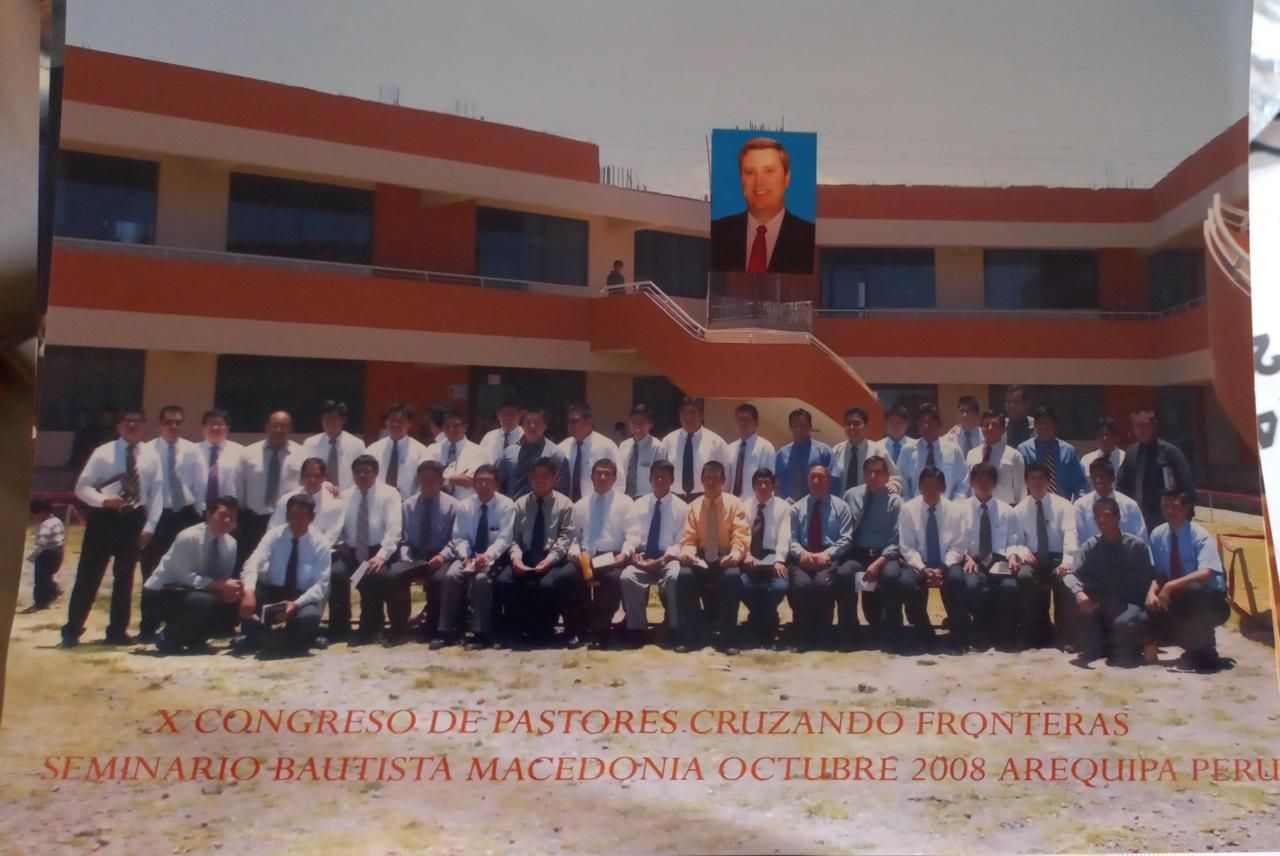
I've spent over 50 years in ministry, 20 of those as a missionary in Peru, and I've watched good leaders make terrible decisions. Not because they were evil. Because they were empty. They were running on fumes spiritually, chasing the next thing that might finally make them feel like enough.
And when you're empty, you become buyable.
The Trap of 'More'
The evangelical world is obsessed with growth. More people. More money. More influence. More buildings. More likes. More shares. More everything.
And somewhere along the way, we started believing that "more" equals "blessed." That if God is really with us, the numbers will prove it. The budget will expand. The invitations will multiply.
But here's what nobody tells you: the pursuit of "more" will destroy you.
It won't feel like destruction at first. It'll feel like ambition. Like vision. Like faithfulness. But slowly, subtly, it becomes the thing you serve instead of the One you claim to follow.
You start measuring your worth by your metrics. You start making decisions based on what will "grow the ministry" instead of what's actually right. You start saying yes to things you should refuse, because the donor is generous, because the opportunity is huge, because turning it down feels like ingratitude.
And before you know it, you're wearing golden handcuffs. You can't speak the truth anymore because too many people depend on you. You can't obey God freely because you've built a machine that requires constant feeding.
You've become a slave to "more."
When Jesus Is Enough
Philippians 4:11-13
> "Not that I speak in respect of want: for I have learned, in whatsoever state I am, therewith to be content. I know both how to be abased, and I know how to abound: every where and in all things I am instructed both to be full and to be hungry, both to abound and to suffer need. I can do all things through Christ which strengtheneth me."
Paul didn't start out content. He learned it. And he learned it the hard way, through hunger, through loss, through seasons where God stripped away everything except Himself.
That phrase "I can do all things through Christ" has been slapped on gym walls and coffee mugs for decades. But in context, Paul isn't talking about achieving more. He's talking about surviving less. He's saying, "I can handle poverty. I can handle obscurity. I can handle having nothing, because Christ is enough."
That's the kind of strength the world doesn't understand. It's not the strength to build an empire. It's the strength to walk away from one if God asks you to.
Contentment isn't passive resignation. It's not saying, "Well, I guess this is all I get." Contentment is a settled confidence that God's provision, whatever it looks like, is exactly what you need. It's freedom from the relentless itch for validation, from the fear that you're missing out, from the pride that says you deserve more recognition than you're getting.
And here's the kicker: When you're content in Jesus, you can't be bought.
You can say no to the big donor who wants to control your message. You can walk away from the platform that requires you to compromise. You can refuse the spotlight if it means losing your soul.
Because you're not working for applause. You're not ministering for money. You're not leading to prove something. You're serving out of fullness, not emptiness. And that changes everything.
Fifty Years of Learning to Be Satisfied
I won't pretend I figured this out early. I didn't.
For years, I hustled. I built. I pushed. I believed that if I worked hard enough, prayed long enough, sacrificed enough, God would bless the work in visible, undeniable ways. And when things didn't grow the way I thought they should, I questioned everything. My calling. My methods. My worth.
I've walked through seasons of deep obscurity. I've been misunderstood, overlooked, and yes, canceled. I've battled Stage 4 cancer and survived COVID. I've buried dreams and watched ministries I poured my life into fall apart.
And somewhere in all of that, God taught me what Paul learned: Christ is enough.
Not Christ plus recognition. Not Christ plus financial security. Not Christ plus a legacy people will remember. Just Christ.
When you know that, really know it, down in your bones, you become dangerous. Not dangerous in a reckless way. Dangerous in a free way. You can't be manipulated. You can't be bought. You can't be leveraged.
You can lead with integrity because you're not afraid of losing what you never needed in the first place.
The Shield of Contentment
Contentment protects you in three specific ways:
1. It frees you from comparison.
When you're content, you stop measuring yourself against other leaders. You stop obsessing over who's growing faster, who got the bigger platform, who's being celebrated while you're being ignored. You can celebrate others without bitterness because their success doesn't threaten yours.
2. It anchors you in truth.
When you're chasing "more," you become a people-pleaser. You adjust your message to keep the crowd happy. You soften the edges to avoid offense. But when you're content, you can preach the whole counsel of God, even the parts that cost you followers. You're not trapped by your need for approval.
3. It gives you clarity.
Contentment brings focus. When you're no longer scrambling after every opportunity, you can actually hear God's voice. You can discern which invitations are from Him and which are just distractions dressed up as blessings. You can say no without guilt and yes without fear.
Contentment isn't a shield that protects you from hardship. It's a shield that protects you from compromise. And in ministry, that's the protection you need most.
Reflection Questions
Before you move on, sit with these for a minute:
- What "more" are you chasing right now? Is it numbers, money, recognition, security? Be honest. Name it.
- If God asked you to walk away from your platform tomorrow, could you do it? Or have you built something you can't afford to lose?
- When was the last time you said no to an opportunity because it didn't align with your calling, even though it would have grown your ministry?
FAQ
What does biblical contentment actually mean?
Biblical contentment means being satisfied with God's provision in every season, whether you have much or little. It's not passivity or laziness; it's a deep trust that God knows what you need and gives you exactly that. Paul describes it in Philippians 4:11-13 as a learned skill, not a personality trait.
How is contentment different from complacency?
Contentment is rooted in trust; complacency is rooted in apathy. A content leader works hard, serves faithfully, and pursues excellence, but does it from rest, not desperation. A complacent leader stops caring. Contentment says, "God is enough." Complacency says, "I don't care anymore."
Can a leader be content and still have vision for growth?
Absolutely. Contentment doesn't kill ambition: it redeems it. A content leader can dream big and work hard without being enslaved to outcomes. The difference is this: a content leader can release the results to God. An anxious leader holds on so tightly that the mission becomes an idol.
If you're tired of the performance treadmill and ready to lead from a place of rest, I'd love to walk with you. I mentor pastors and ministry leaders through Alignment Ministries, and I share honest, grace-centered encouragement every week on the Followed by Mercy podcast. You can also find more articles like this one, along with my full story, over on my main site.
And if you've never read it, start here: The Big Leap of Faith. It's the foundation for everything I teach. Because until you know you're loved: really loved, without conditions: you'll keep chasing "more."