Austin Gardner: Doing Things God's Way
From Religious Performance to Resting in the Father’s Unconditional Love
If you want one sticky phrase for your life and ministry, here it is: stop pushing and start resting.
That isn’t laziness. It’s the New Covenant. Jesus didn’t come to coach better religious effort. He came to finish the work, bring you into union with Christ, and settle you in the Father’s unconditional love.
So when I read David’s story with the ark, I don’t hear, “Try harder and follow the rules.” Instead, I hear an invitation: step off the religious treadmill and come home to the Father because Jesus perfectly reveals the Father’s goodness. If you’ve seen Jesus, you’ve seen what God is like.
David wanted the right thing. He wanted the ark—the presence of God back where it belonged. Yet at first, he approached it the way exhaustion often talks: “Let’s do what works. Let’s keep it moving.”
And the whole parade stopped not to shame David, but to invite him into a better way.
When performance feels easier than presence
David’s plan started with excitement and sincerity. He gathered leaders, got agreement, and moved forward.
1 Chronicles 13:3 “And let us bring again the ark of our God to us: for we enquired not at it in the days of Saul.”
So far, so good. David wanted God’s presence back in the center.
However, what happened next isn’t mainly about David breaking a rule. It’s about David slipping into a mindset: “Let’s do this the way that feels manageable.”
1 Chronicles 13:7 “And they carried the ark of God in a new cart out of the house of Abinadab…”
A new cart looked respectable. It looked safe. It looked modern for its time. Plus, it worked for the Philistines (1 Samuel 6). Therefore, David did what many sincere believers do: he borrowed a “successful” approach and assumed God would bless it.
That’s the pull of religious performance. It always offers a cart.
- A trend.
- A shortcut.
- A “proven method.”
- A pressure-filled version of worship that relies on hype.
- A leadership image that feels “strong.”
Yet carts aren’t only cultural. They’re also in control. In other words, a cart is an attempt to manage God—to move His presence with something we can steer.
Meanwhile, the Lord had already shown a different way. Not a gimmick. Not a management strategy. A calling rooted in covenant: carry the presence.
Uzza: When we try to steady what God already holds
As the cart rolled, the oxen stumbled. The ark shifted. Uzza reached out.
1 Chronicles 13:9 “And when they came unto the threshingfloor of Chidon, Uzza put forth his hand to hold the ark; for the oxen stumbled.”
Uzza’s action makes sense to us. If I see something precious about to fall, I reach for it too. His motives looked clean.
Then comes one of the sobering moments in Scripture.
1 Chronicles 13:10 “And the anger of the LORD was kindled against Uzza, and he smote him, because he put his hand to the ark: and there he died before God.”
I won’t pretend that’s an easy verse. Still, I don’t read it as God saying, “I can’t wait to punish somebody.” I read it as a spotlight on what happens when we treat holy things as if they must be propped up by human effort.
In other words, Uzza touched the ark because the whole setup was unstable. The cart was the problem. The presence of God was never meant to be dragged along by something we control.
So here’s the invitation hidden inside the warning: stop trying to steady God. He is not fragile. He is not nervous. He is not managed.
And because of the finished work of Christ, you don’t come to Him on the basis of your “doing.” You come as a beloved child, welcomed by covenant love, learning to rest in His presence instead of performing for it.
David’s pause: when fear meets the Father’s heart
After Uzza died, the whole atmosphere changed. David pulled back.
He didn’t just feel sad. He felt confused, angry, and afraid. That’s real life. Sometimes you do what you think is “for God,” and it blows up. Then you start asking hard questions:
- “Why did this happen?”
- “Is God against me?”
- “Did I misread Him?”
- “Is He impossible to please?”
Here’s where I want to soften the air in the room. Those questions usually come from a picture of God that feels harsh—like He’s waiting for you to miss a step. Yet the New Covenant reveals the Father’s face in Jesus. He is not recruiting you into anxiety. He is drawing you into rest.
I’ve been in ministry for over 50 years, and I’ve had moments where I thought, Lord, I was trying.
Meanwhile, I didn’t always listen first. Sometimes I acted out of pressure. Sometimes I acted out of pride. Often, I acted out of fear.
That fear can drive a lot of “Christian activity.” And for the record, fear can look like passion.
Here’s one of the quotes we use on Followed by Mercy, and it explains so much of what goes wrong in ministry:
“I didn’t become legalistic because I hated grace. I became legalistic because I loved God and was afraid of losing Him.”
Fear always produces carts. Grace and Mercy produce carriers—people who live from union with Christ instead of trying to earn a place near Him.
The reset: from managing God to carrying His presence
David didn’t quit forever. Instead, he learned. He listened. He came back with a different approach—really, God’s approach from the beginning.
1 Chronicles 15:2 “Then David said, None ought to carry the ark of God but the Levites: for them hath the LORD chosen to carry the ark of God, and to minister unto him for ever.”
David finally aligned with what God had already established. The ark belonged on shoulders, not on wheels. In plain words: presence is carried, not controlled.
Deuteronomy 10:8 “At that time the LORD separated the tribe of Levi, to bear the ark of the covenant of the LORD, to stand before the LORD to minister unto him…”
Notice the order: separated, bear, stand, minister. That’s not a preference. That’s covenant life. First, God sets apart. Then, He gives you what to carry. After that, you stand in His presence. Finally, ministry flows from union, not strain.
That’s the bigger truth: God isn’t looking for impressive “how.” He’s inviting you into resting where obedience becomes the fruit of relationship, not the price of belonging.
Three “carts” we push (without noticing)
Let me say this plainly: most of us don’t rebel on purpose. We drift. We copy. We assume. Then later, we wonder why we feel tired, anxious, and “far” from God.
Here are three common carts David’s story confronts.
1) We turn worship into something we can measure
David didn’t invent the cart. He copied the Philistines.
Likewise, churches can start asking the wrong question: “What will work?” Instead, a better question is: “What does covenant life look like here?”
Yes, we welcome unbelievers. We should. However, worship isn’t a product. Worship is a response to the Father’s love revealed in Jesus.
If we chase applause, we will eventually lose rest.
2) We confuse “good ideas” with living from union
David’s cart probably sounded brilliant in the meeting. New cart. Strong oxen. Big celebration. That’s the kind of plan people clap for.
Still, a good idea becomes a cart when it replaces dependence on the Lord.
In faith-based development, this tension is constant. You can use leadership tools and a practical structure. However, you must not use them to replace the Holy Spirit or to prop up identity. Methods can serve people, yet they can’t create presence or produce satisfaction in Jesus.
I’ve watched this for decades: churches can grow busy while shrinking in tenderness. Leaders can look confident while quietly living exhausted. Therefore, the “reset” often starts with one simple change: open the Book, breathe, and remember you already belong.
3) We live from pressure instead of covenant love
Culture changes fast. Opinions change faster. Meanwhile, the Father’s love doesn’t change at all.
So here’s a diagnostic question I ask myself: Am I doing this to stay “safe,” or am I doing this because I am loved? That question has pulled me back into peace more times than I can count.
The finished work makes rest possible (and obedience joyful)
Some people hear “Do it God’s way” and instantly feel pressure. They picture God with crossed arms saying, “Try harder.”
That’s not the Father I’ve come to know. The gospel isn’t God handing you a better cart. The gospel is God giving you His Son and, in His Son, giving you a new life.
Because of the finished work of Christ, you don’t obey to get close. You obey because you are close. You don’t strive to earn a smile. You learn to live in the smile of the Father’s unconditional love.
Another Followed by Mercy line we share often says it better than I can:
“The Christian life was never meant to be powered by fear, pressure, or performance. It was meant to be lived from being loved first.”
That’s where the word resting becomes practical. When you rest in being loved, you can obey without trying to earn anything.
And I’ll add this from my own story: I’ve watched the Lord carry me through deep valleys—Stage 4 cancer, and later COVID that brought weakness I could not “push through.” Those seasons stripped away the illusion that I could manage life, ministry, or even my own body with religious effort. Instead, the Father met me with Grace and Mercy, not a clipboard. He showed me His face apart from my “doing.”
If you want to explore that shift more, this internal hub post connects the dots in a personal way: The Big Leap of Faith: Believing God Loves You Exactly as You Are.
Make worship alive, without pushing a cart
Now let’s talk about “alive worship,” because this matters.
I agree with the heart behind it. Worship should not feel dead. The gospel is the greatest news in the world. The local church gets to celebrate Jesus together. That should have life.
At the same time, “alive” can’t mean “worked up.” It has to mean present.
Alive worship isn’t entertainment. It’s resting.
It’s people meeting with God because they know they are welcome.
So, how do we pursue that without drifting into cart-thinking?
- Start with Scripture. Let the Word shape the service, not the other way around.
- Lead with Jesus. Rules can’t raise the dead, but Christ can.
- Aim for clarity. If people can’t understand, they can’t respond with faith.
- Make room for a real response. Singing, praying, confessing, and thanksgiving are not fillers. They are family life.
And if you’re a leader, remember this: you can be faithful and still be creative. God didn’t outlaw beauty. He didn’t forbid celebration. He simply invites us to carry the presence to serve from union with Christ, not from pressure.
A personal word from 50+ years: you don’t have to earn the Father’s smile
In my early years, I often mistook intensity for spirituality. I pushed hard. I tried to “get it right.” Meanwhile, I sometimes led as if God was only pleased when everything looked strong.
Over time, through Scripture, suffering, and God’s patient kindness, I started to see the merciful Father more clearly. I stopped looking for a harsh face behind every hard moment. Instead, I started recognizing the Father’s heart, revealed in Jesus, steady and kind.
That change didn’t make me lazy. It made me steadier.
- I still want worship to be alive.
- I still want preaching to be clear and bold.
- I still want the ministry to grow and reach people.
However, I don’t want any of it built on a cart.
Because the Father doesn’t need my polish. He wants my trust. And trust grows best in rest.
“Rest doesn't come after you fix yourself. Rest comes first.”
That kind of resting doesn’t weaken obedience. It strengthens it. It turns “I have to” into “I get to,” because you’re living from covenant love, not striving for it.
Practical ways to “do it God’s way” this week
If you’re asking, “Okay, what do I do with this?” here are a few simple next steps. Start small. Stay honest. Keep it rooted in grace.
- Ask better questions.
Instead of “Will people like this?” ask “Does Scripture lead me here?” - Name the cart you’re tempted to use.
For example: manipulation, hype, pressure, image management, people-pleasing, or copying someone else’s ministry voice. - Open the Bible before you open your notes.
Read a passage slowly. Then ask, “What does God want?” not “What do I want to say?” - Choose obedience in one specific area.
Pick the one thing you already know God has told you. Do that, even if it’s not impressive. - Let mercy be your fuel.
When you fail, don’t hide. Run to the Father. Confess quickly. Get back up.
For more writing like this, the hub is here:
https://waustingardner.com/blog/
And if you
want to keep up with weekly encouragement, I also post on
https://waustingardner.substack.com and share Spanish resources through
https://guillermoagardner.substack.com/ (and I always point Spanish readers back to the main English home at waustingardner.com).
If you’d rather listen than read, you can find the Followed by Mercy podcast here: https://followedbymercy.buzzsprout.com
FAQ
How do I know if I’m pushing a “religious cart” in ministry?
If you feel constant pressure to keep things impressive, controlled, and “working,” you may be pushing a cart. Instead, come back to the finished work of Christ and lead from rest—because union with Christ produces steady fruit without panic.
How does Jesus show me the Father in a story like this?
Jesus is the clearest picture of God you will ever get. Therefore, when you feel afraid of God, look at Christ again: His kindness, His welcome, His strength, and His love show you the Father’s heart.
What if I’m exhausted and feel like I’ve already failed?
You are not disqualified, and you are not behind. The Father’s love doesn’t rise and fall with your performance; it holds you steady while He restores your joy and your satisfaction in Jesus.
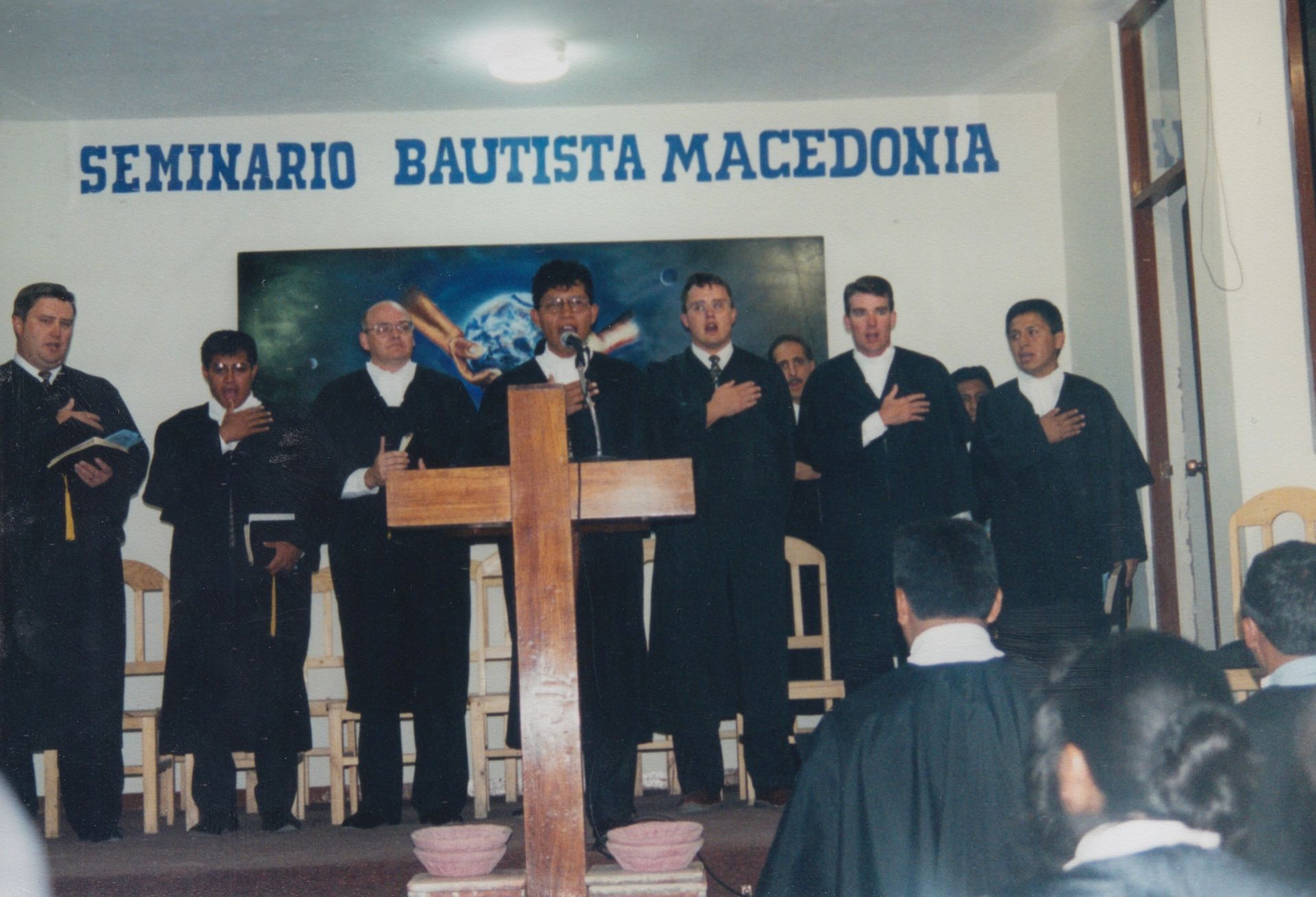
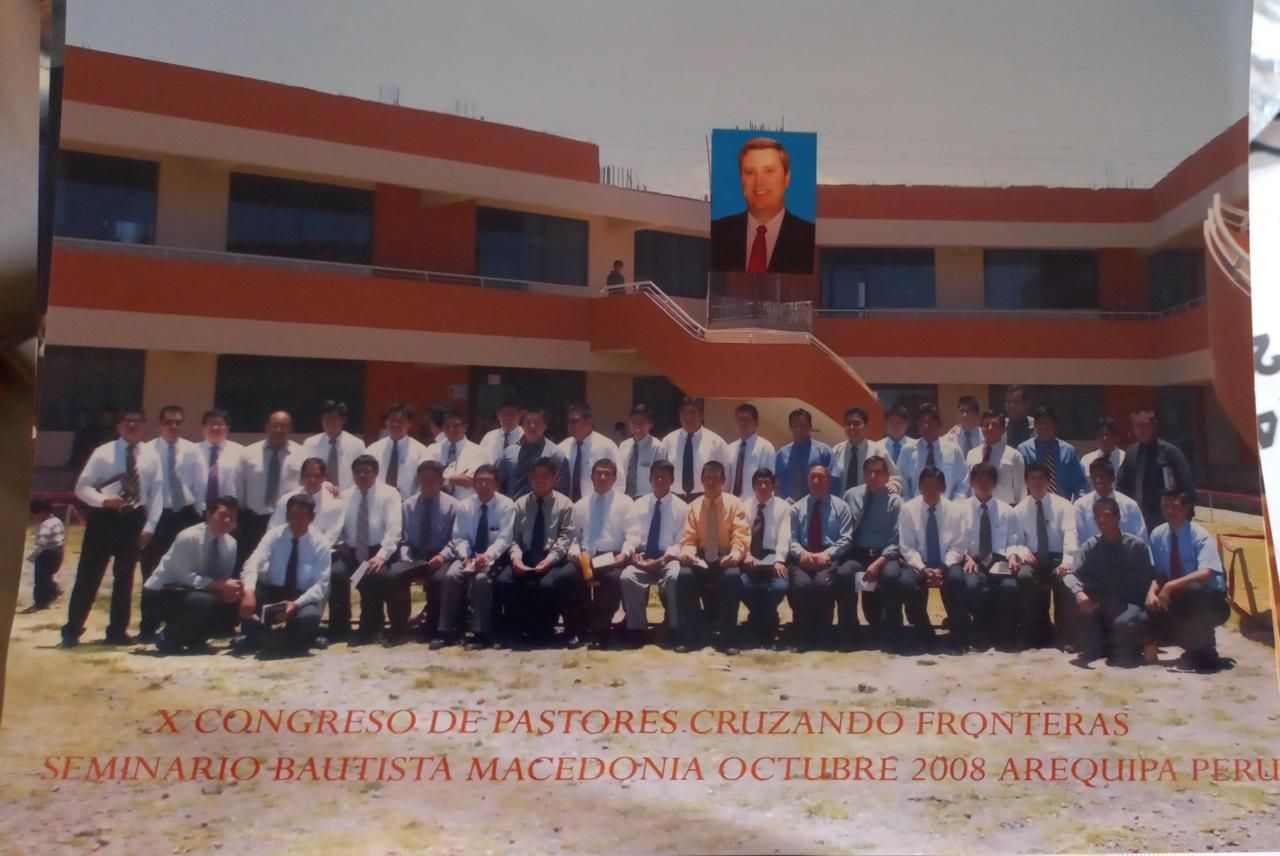
About the Author: Austin Gardner has spent over 50 years in ministry as a missionary, pastor, and mentor... W. Austin Gardner has spent over 50 years in ministry as a missionary, pastor, and mentor. Having served for two decades in Arequipa, Peru, Austin now focuses on faith-based development and leadership training through Alignment Ministries through a lens of Grace and Mercy. He is an international keynote speaker, author, coach, and John Maxwell–certified speaker who has traveled to over 50 countries sharing the gospel. A survivor of Stage 4 cancer and COVID-19, he is dedicated to helping others find their ultimate satisfaction in Jesus.
Connect with Austin:
- Main Website: https://waustingardner.com
- Leadership Training: https://alignmentministries.com
- Personal Mentoring: https://waustingardner.com/personal-mentoring/
- Weekly Encouragement: https://waustingardner.substack.com (English) | https://guillermoagardner.substack.com (Spanish)
- Listen: https://followedbymercy.buzzsprout.com