Lost in the Numbers Game
What It Costs
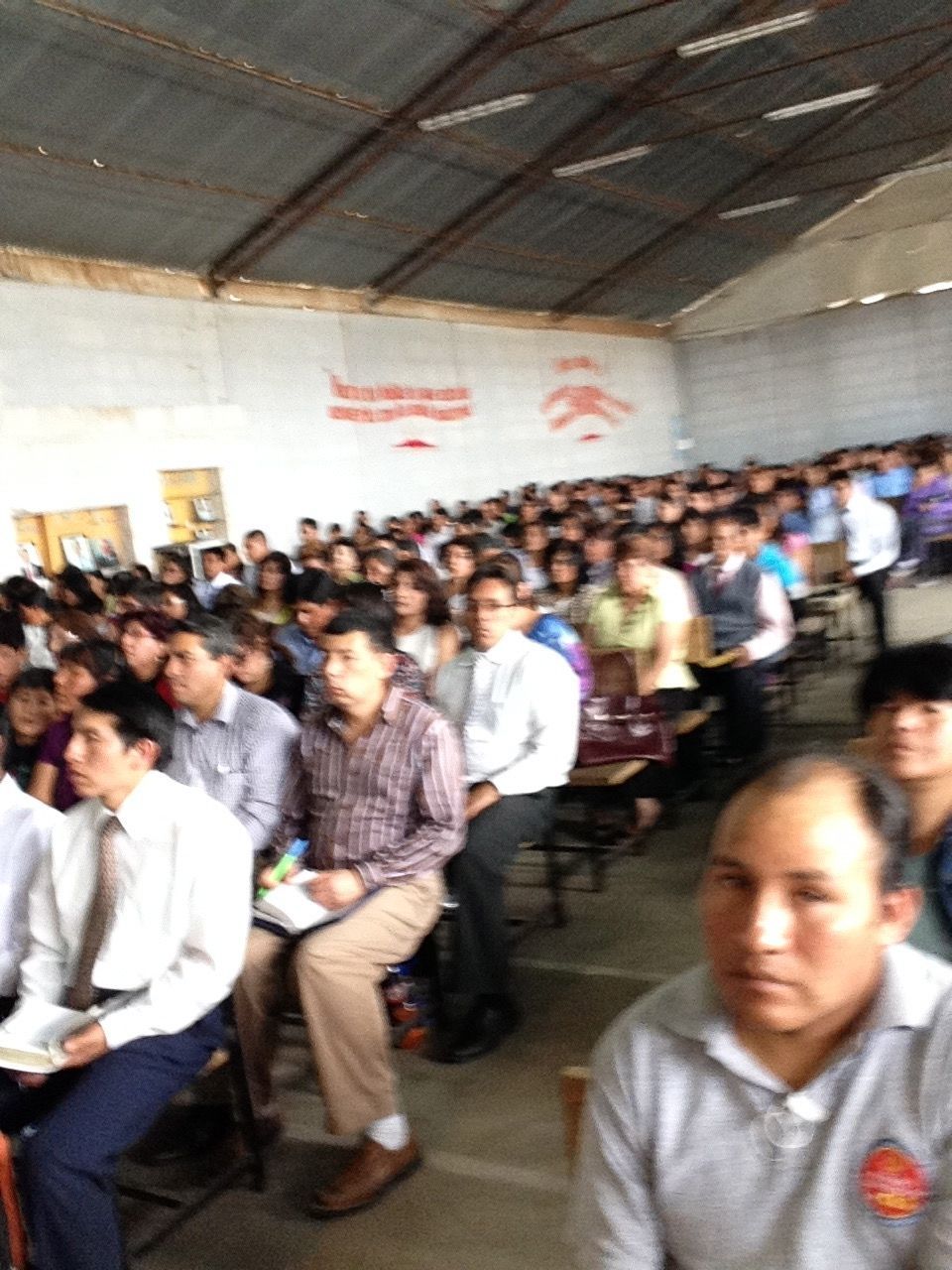
A full room is not the same as a faithful church.
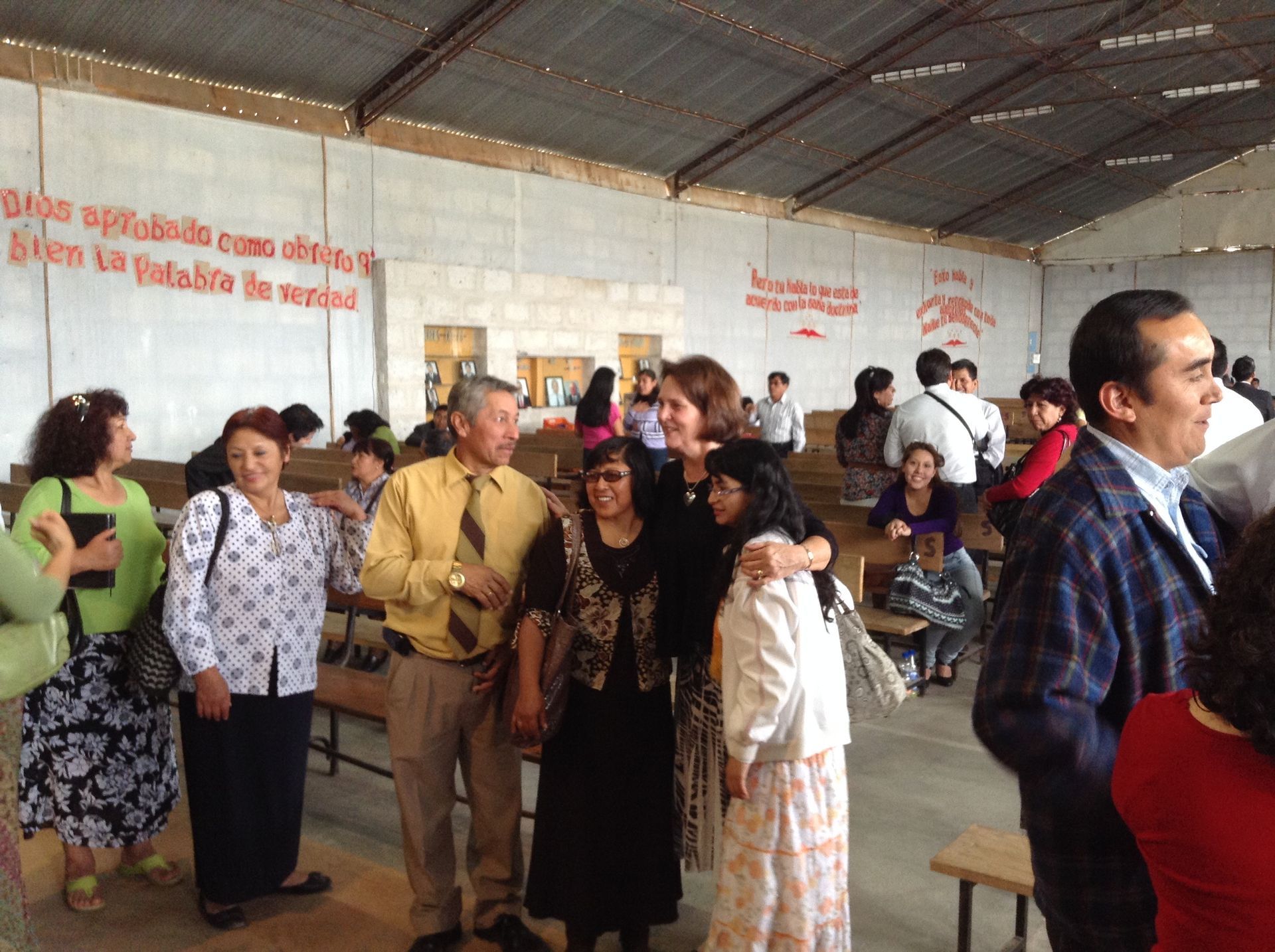
Picture a young missionary in his first year on the field. He writes home to his supporters, and they always ask the same first question. How many came on Sunday? He sends a photo of a full room, and everyone back home is happy. The numbers look good. The work must be going well.
But a full room is not the same as a faithful church. And chasing the crowd instead of making disciples has wrecked more church plants than most missionaries want to admit.
The Mistake
The mistake is simple to name. The church plant's goal becomes filling the pews instead of making disciples. The missionary works to get people in the door, to keep them coming back, and to make the room look full on Sunday morning. What he does not do is the slow work of teaching people to follow Jesus, one life at a time.
A church built that way can look alive from the outside. The seats are full. The singing is loud. The photos look good in the prayer letter. But underneath, there is no depth. Nobody is growing. Nobody is being changed. Nobody could teach someone else what they believe, because nobody ever taught them.
Jesus did not come to gather a crowd. He came to make disciples.
"Go ye therefore, and teach all nations, baptizing them in the name of the Father, and of the Son, and of the Holy Ghost: Teaching them to observe all things whatsoever I have commanded you" (Matthew 28:19-20).
Teach them. Not count them. Teach them to observe all the things He commanded.
Why It Happens
Three reasons can trap a new missionary, and all three feel reasonable at the time.
The first is pressure. A church plant costs time, money, and prayer, and the people who gave those things want to see a return. The missionary feels he has to show quick growth to prove the work is worth it. A full room is the fastest proof he can offer.
The second is a wrong idea of success. It is easy to believe that a large attendance means a large effect. If a hundred people came, the work must be working. But attendance is not transformation. A hundred people can sit through a service and leave exactly as they came.
The third is the hunger for something you can see. Discipleship is slow, quiet work. You meet with one man on Tuesday, and you cannot photograph the result. You pray with one woman on Thursday, and there is nothing to put in the newsletter. A crowd, by contrast, is visible today. So the missionary reaches for what he can see, and lets go of what matters most.
It usually happens in the early days, when the pressure is highest. The missionary is trying to get people in the door and to make the church visible in the community. Every empty seat feels like failure. Every full seat feels like proof. And so, without meaning to, he starts measuring the wrong thing.
What It Costs
The cost is worse than most missionaries expect.
First, you do not build a church that can last. A crowd is not a community. When the novelty wears off, or when hard days come, the crowd thins out, and nothing underneath holds it together. A church with no disciples has no roots, and the first wind takes it down.
Second, you do a disservice to the very people you came to serve. They came looking for life, and you gave them a show. You never equipped them to live their faith on Monday, share the gospel with their own families, or stand when trouble comes. You kept them coming, but you never helped them grow.
Third, you set yourself up for burnout. Filling seats is endless work. There is always another event to plan, another crowd to draw, another number to beat. And because the work never produces the deep joy of seeing a life changed, it leaves you empty. When the hard days come, and they always come, you have no committed core of believers to stand with you, because you never built one.
Jesus and the Crowd
Jesus had crowds. Great crowds followed Him, and He loved them. He fed them. He healed them. He taught them. But He never let the crowd set His course.
One day the crowd left Him. The teaching was too hard, and they walked away.
"From that time many of his disciples went back, and walked no more with him. Then said Jesus unto the twelve, Will ye also go away?" (John 6:66-67).
He did not chase them. He did not soften the message to keep the numbers up. He turned to the twelve and asked if they would leave too.
Another morning, the whole town was looking for Him, and He left to preach in the next towns instead. The crowd wanted more of what He had already given. He went where the Father sent Him.
And when He chose His men, He chose twelve.
"And he ordained twelve, that they should be with him, and that he might send them forth to preach" (Mark 3:14).
With Him first, then sent. He spent three years on twelve men, and those twelve turned the world upside down. He did not build His church on a crowd. He built it on disciples.
The Question to Ask
So here is the question that matters for any missionary, pastor, or Christian who wants to see a church grow. Not how many came? But who is growing?
A church that makes disciples may grow slowly. The numbers may look small in the first year, and the prayer letters may be hard to write. But the people in it will be real. They will know what they believe, and why. They will be able to teach someone else. And when the hard days come, they will still be there.
The crowd is not the goal. The disciple is. And the way back from the numbers game is simpler than you think. It starts with a few hungry people, a Bible open between you, and time. That is the subject of the next article.