Make Disciples, Not a Crowd
If You Have Already Made the Mistake
Invest deeply in a few, and trust God with the rest.
In the last article, we looked at the mistake of chasing a crowd instead of making disciples. A full room is not the same as a faithful church, and a church built on numbers alone will not last.
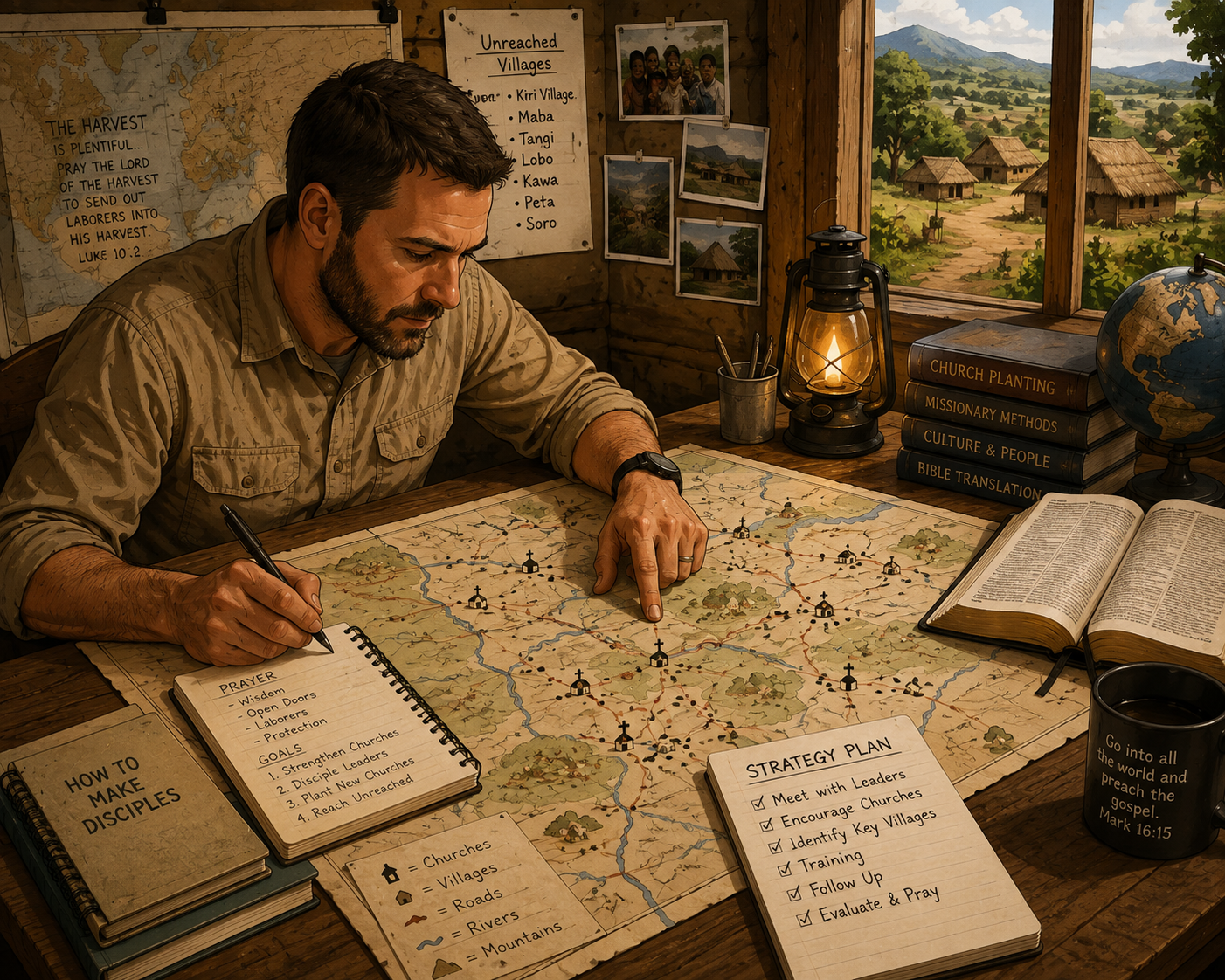
So what is the better way? It is the way Jesus showed us. Invest deeply in a few people hungry for the gospel: teach them, walk with them, and trust God to multiply the work through them.
The Way Jesus Did It
Jesus had the crowds, but He built His church on twelve men.
"And he ordained twelve, that they should be with him, and that he might send them forth to preach" (Mark 3:14).
Notice the order. With Him first, then sent. They watched Him pray. They watched Him deal with people. They ate with Him, walked with Him, and asked Him questions no crowd ever gets to ask. Then He sent them out.
Paul did the same with Timothy.
"And the things that thou hast heard of me among many witnesses, the same commit thou to faithful men, who shall be able to teach others also" (2 Timothy 2:2).
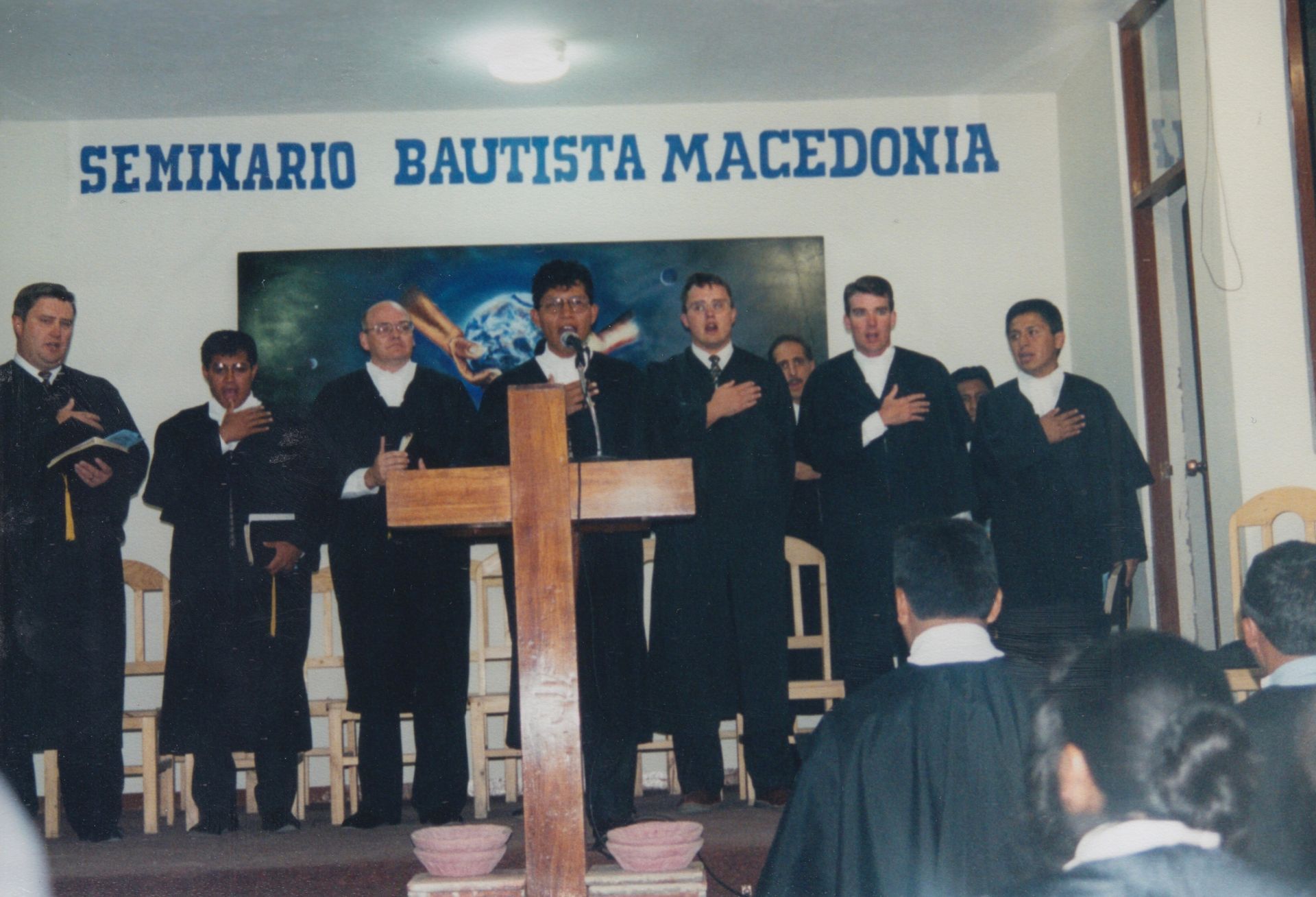
Paul taught Timothy. Timothy was to teach faithful men. Those men were to teach others also. Four generations in one verse. That is how the gospel spreads, not by filling a room, but by one life pouring into another, and another, and another.
This is the model. It is slow. It is quiet. It does not photograph well. And it is the only way that lasts.
Start with the Hungry Few
So where do you begin? Find the hungry few.
Look for a family, or a group of friends, or a few individuals in your community who are open to hearing the gospel. They may not be many. They may not look impressive. But they are hungry, and hunger is what matters.
Then invest in them. Get to know them as people, not as numbers. Learn their names, their families, their fears, their questions. Meet with them regularly, a Bible open between you, and pray together. Share the gospel in a way that fits their lives, not a program.
Live the gospel in front of them, not only on Sunday, but on Tuesday and Thursday too. Help them in practical ways when they need it. Show them what a Christian looks like at home, at work, and with his neighbors. Then, when they begin to grow, give them something to do. Let them reach out to someone else. A disciple who never shares what he has learned will stop growing.
This work also means serving the community around you. Meet real needs. Help where help is needed. Build trust by being present, not only by being loud. People listen to a man they trust, and trust is built one act of love at a time.
It takes patience. It takes persistence. It takes a willingness to pour your life into a few people and to trust that God will use those relationships to reach many more. But that is how it works. A few deep roots hold more than a hundred shallow ones.
If You Have Already Made the Mistake
What if you have already been chasing the crowd? It is not too late. You can turn the work around, and here are four ways to begin.
First, invest in small group discipleship. Stop putting everything into the Sunday service, and build times when people can really grow: a small group where they can ask questions, study the Word, and pray together.
Second, train and equip leaders. Find the men and women in your church who show a hunger to grow, and teach them to make disciples themselves. A church with one disciple maker is a fragile church. A church with ten is strong.
Third, get out into the community. Share the gospel and make disciples outside the church walls. Go where the people are, instead of waiting for them to come to you.
Fourth, choose quality over quantity. Stop measuring success by how many came, and start measuring it by who is growing. Ask who is reading the Bible, who is praying, who is sharing their faith, who could teach someone else. That is the real measure of a church.
How to Keep from Falling Back
The best way to avoid the numbers game is to settle the question before you begin. Decide, from the very first day, that disciple-making is the work, not crowd gathering. Build your plan around people, not events. Put small groups and one-on-one time at the center of the church, not at the edges.
A few tools help. Good discipleship materials give new believers a clear path. An older missionary who has walked this road can keep you honest when the pressure to show numbers rises. An accountability partner, someone who will ask you the hard questions, can keep you from drifting. A network of other missionaries who share the same aim can encourage you when the work feels slow. And regular, honest evaluation will show you whether you are making disciples or only gathering a crowd. Set goals for discipleship, not for attendance, and check them often.
The Growth Belongs to God
Here is the truth that sets a missionary free. The growth belongs to God.
"I have planted, Apollos watered; but God gave the increase" (1 Corinthians 3:6).
Your part is to plant and to water, faithfully, patiently, one life at a time. His part is the increase. And He does give it.
"And the Lord added to the church daily such as should be saved" (Acts 2:47).
The Lord added. Not the program, not the event, not the marketing. The Lord.
So stop counting the crowd, and start counting the disciples. Teach a few people well. Walk with them closely. Send them out to teach others. Do that for years, and you will have a church that lasts, a church that can stand when the hard days come, and a church that will still be there long after you are gone.
That is the work. And it is worth every hour it takes.