The Church You Leave Behind
Training National Leaders to Build Churches That Endure
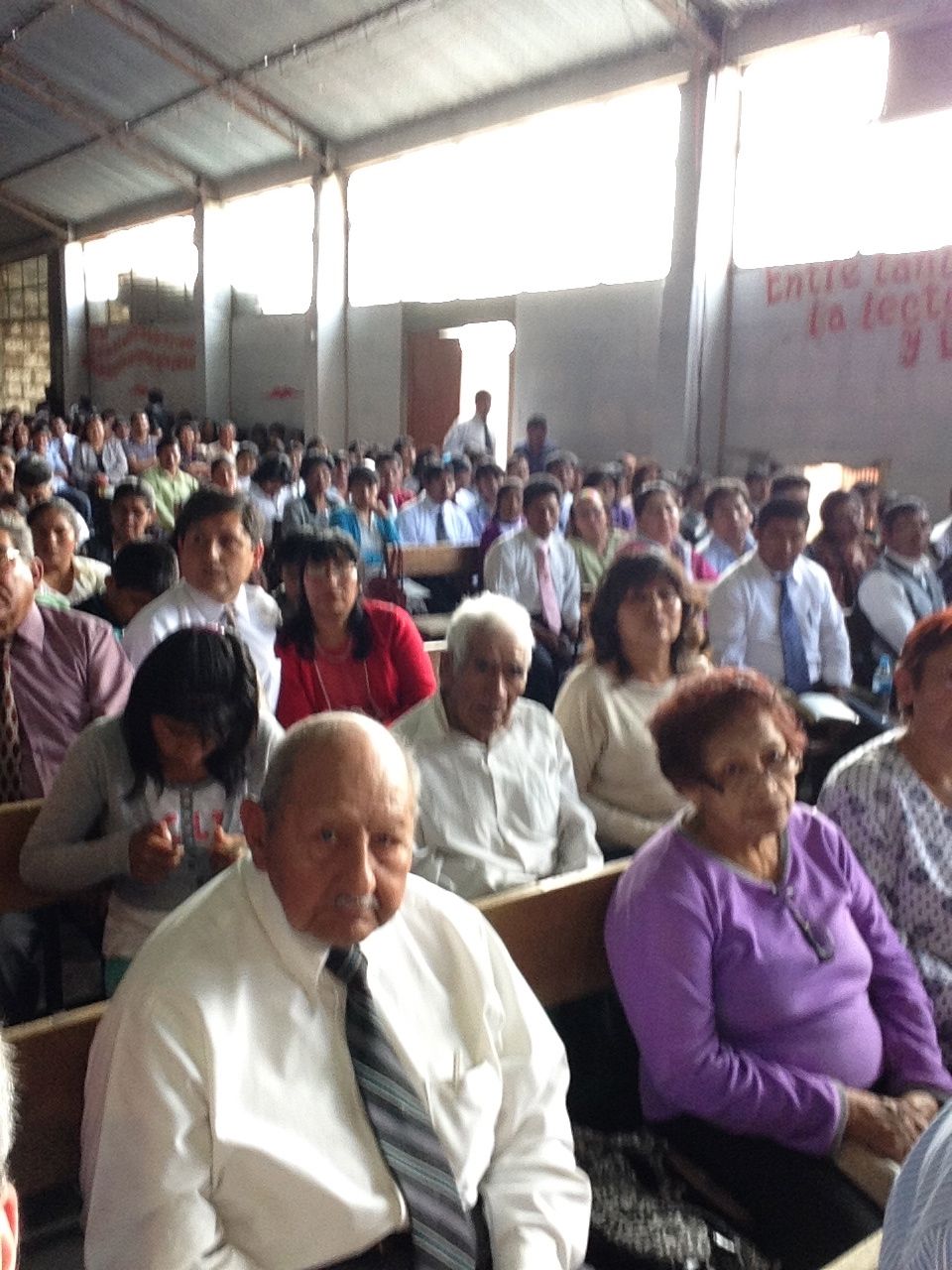
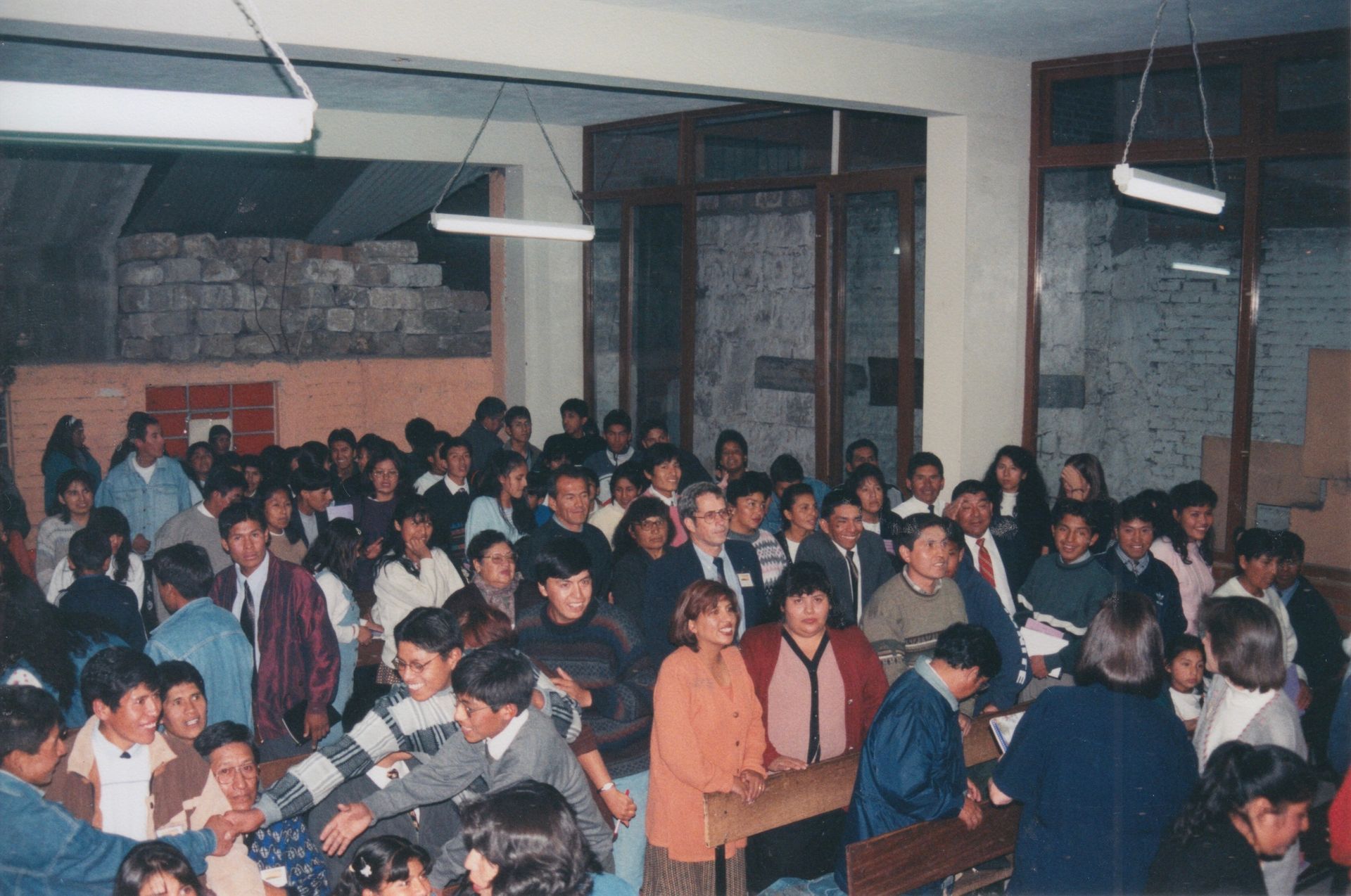
I've spent fifty years going in and out of countries that weren't mine. Mexico. Peru. Places where I didn't speak the language when I got off the plane and didn't look like anyone in the room. And every time, the same question followed me home: what happens to this church after I'm gone?
That question should keep every missionary up at night. Because sooner or later, we all leave. Furlough, sickness, old age, death something takes us out of the
picture. The only thing that decides whether the church survives that day is whether someone besides us can lead it.
Somebody said it plainly a long time ago: everything rises and falls on leadership. I've watched it prove true on two continents.
What We Already Know
Think about a church back home losing its pastor with no one ready to step in. You already know what happens. Attendance drops. Ministries stall. People drift. Most of us have watched it happen with our own eyes, right here in America, where there's no shortage of trained men.
Now picture that same scene on the mission field except there's no seminary down the road, no pool of trained men to call, no denomination with a list of names. If losing a pastor wrecks a church in a country full of resources, what do you think it does to a church we planted three years ago in a jungle village?
We can win people, baptize them, and even help them put up a building. But if nobody local can pray for the sick, preach on Sunday, visit the grieving, and shepherd that flock when we're not there, we haven't planted a church. We've built a monument that dies the day we fly home.
Whose Fault Is It, Really?
I've heard the excuse plenty of times, and I've probably said some version of it myself: "the nationals will never do it as well as we do." Sit with that sentence for a second. If it's true, whose fault is that?
Most of the time, it's true because we never really taught them. We handed out a couple hours of Sunday School once a week and called it training. We gave men the biblical knowledge of one of our high schoolers and then wondered why they couldn't shepherd a church.
Book learning was never enough. A man doesn't learn to pray for the sick, comfort the dying, or confront sin in a congregation by sitting in a classroom. He learns it by watching someone do it, then doing it himself while someone stands next to him. The ability to do this work is caught far more than it's taught.
The Great White Father Problem
Here's the harder truth. A lot of us have trouble handing over the keys. Nationals have told me straight to my face that they felt treated like children, like the missionary showed up as the great white father and never really trusted them with anything that mattered.
You cannot train a man you refuse to trust. If we hold everything so tight that no national ever runs a service, makes a decision, or handles a hard conversation without us hovering nearby, we've guaranteed the church can't survive without us. We didn't build a leader. We built a dependent.
What Paul Actually Did
Paul never stayed anywhere long. He didn't have years to disciple men slowly and quietly behind the scenes. But everywhere he went, he found men, poured himself into them fast, and left them running the church when he moved on. That's how one man's ministry became a fire across the Roman world, not a candle in one room.
He wrote this to Timothy:
Thou therefore, my son, be strong in the grace that is in Christ Jesus. And the things that thou hast heard of me among many witnesses, the same commit thou to faithful men, who shall be able to teach others also. (2 Timothy 2:1-2)
Commit isn't a soft word there. It means to set something down in someone's hands, to entrust it to their care, to deposit it with them like something valuable you're not planning to take back. Paul didn't tell Timothy to keep doing the ministry himself and stay indispensable. He told him to find faithful men and hand it over to men who would do the same with someone else.
That's the whole chain. Paul to Timothy. Timothy to faithful men. Those men to others. Nobody in that chain was building a monument to himself. Everybody was multiplying.
A Bigger Country Than One Church
I could pour my whole life into pastoring one strong church in one city, and I'd never touch the rest of that country. One man, however gifted, has a ceiling. But a hundred trained nationals, each reaching their own people in their own language and their own culture, can shake a nation I could never reach alone.
That's really the difference between a missionary and a pastor. The jobs look alike from a distance: both preach, both shepherd, both love people through hard seasons. But God didn't call us to pastor the nations. He called us to start something, train someone, and get out of the way so it can multiply past anything we could have built with our own two hands.
The church we're most proud of isn't the one still leaning on us five years later. It's the one we can leave because it was never really depending on us to begin with.