The Missionary Method That Outlasts the Missionary
Five Marks of Gospel Work That Lasts, From Acts 14:21-23
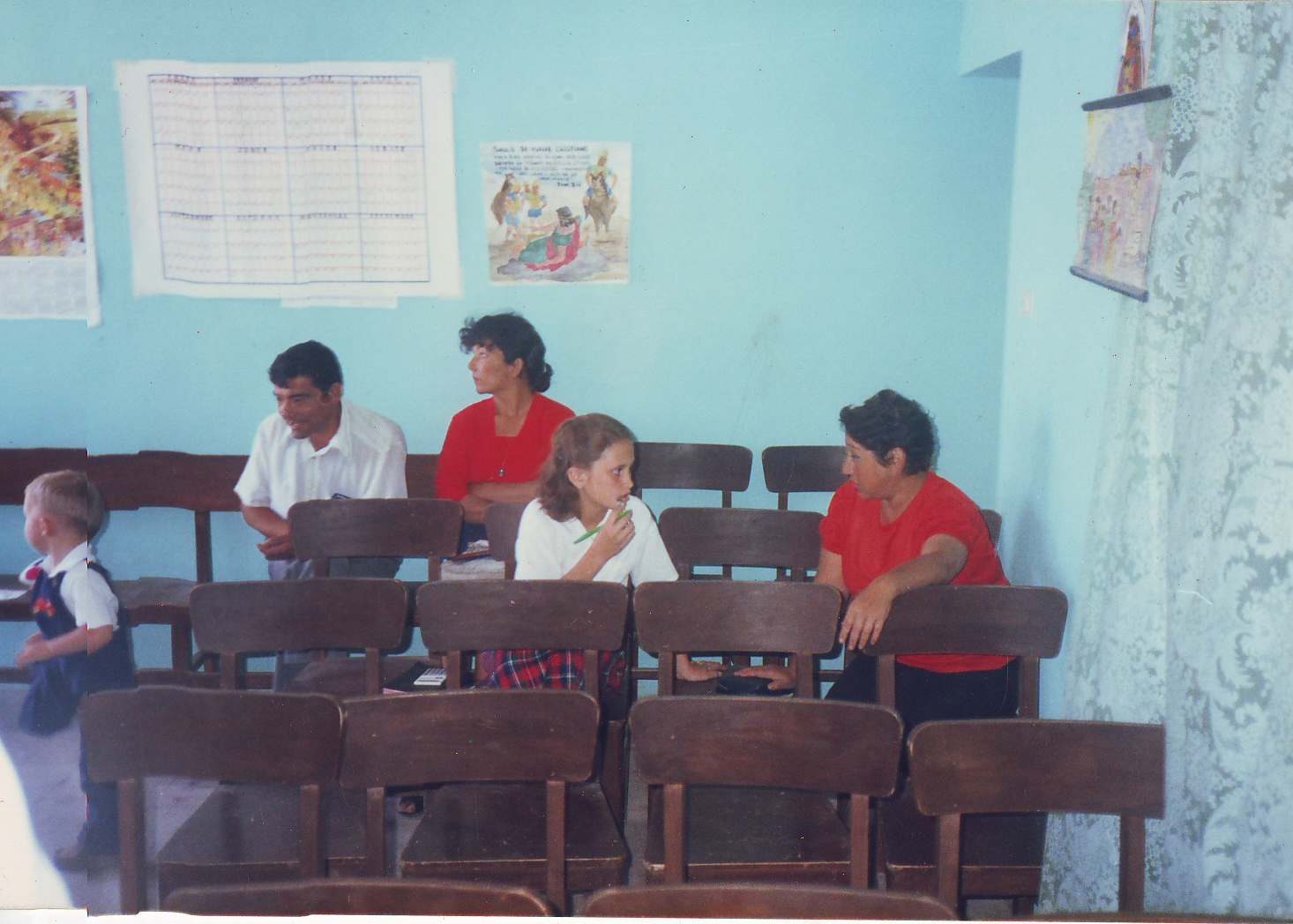
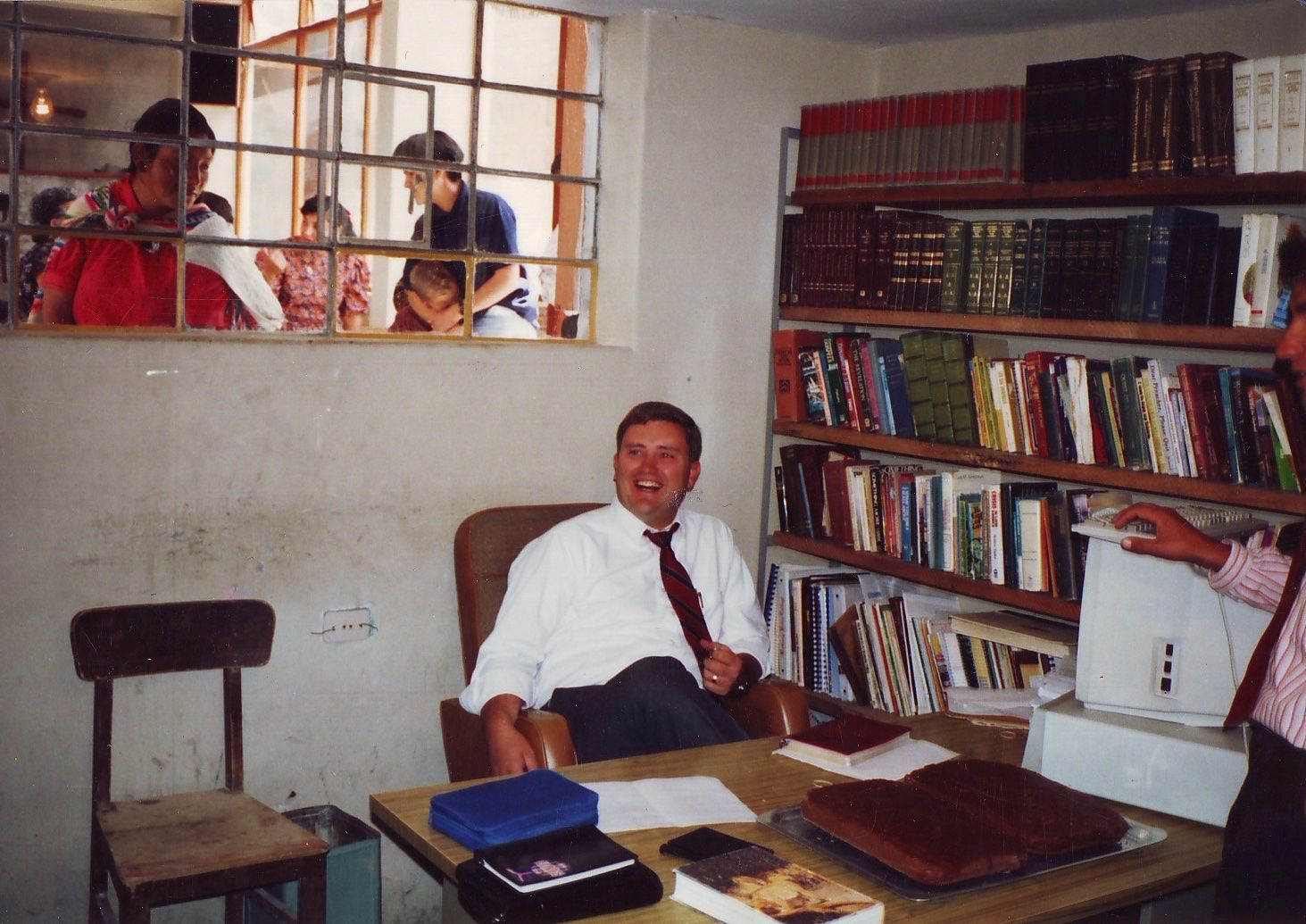
I planted a church in Arequipa, Peru, a long time before I understood what I was actually supposed to be doing there. I knew how to preach. I knew how to hand out tracts, knock on doors, stand before a crowd, and call people to Christ. What I did not know, not for years, was how to leave well. I had to learn that a missionary's job is not finished when someone raises a hand or walks an aisle. It is not even finished when a congregation starts meeting every Sunday. The job Paul and Barnabas modeled in Acts 14 goes much further than that, and it ends somewhere most of us never expected: with the missionary stepping back and the church standing on its own before the Lord.
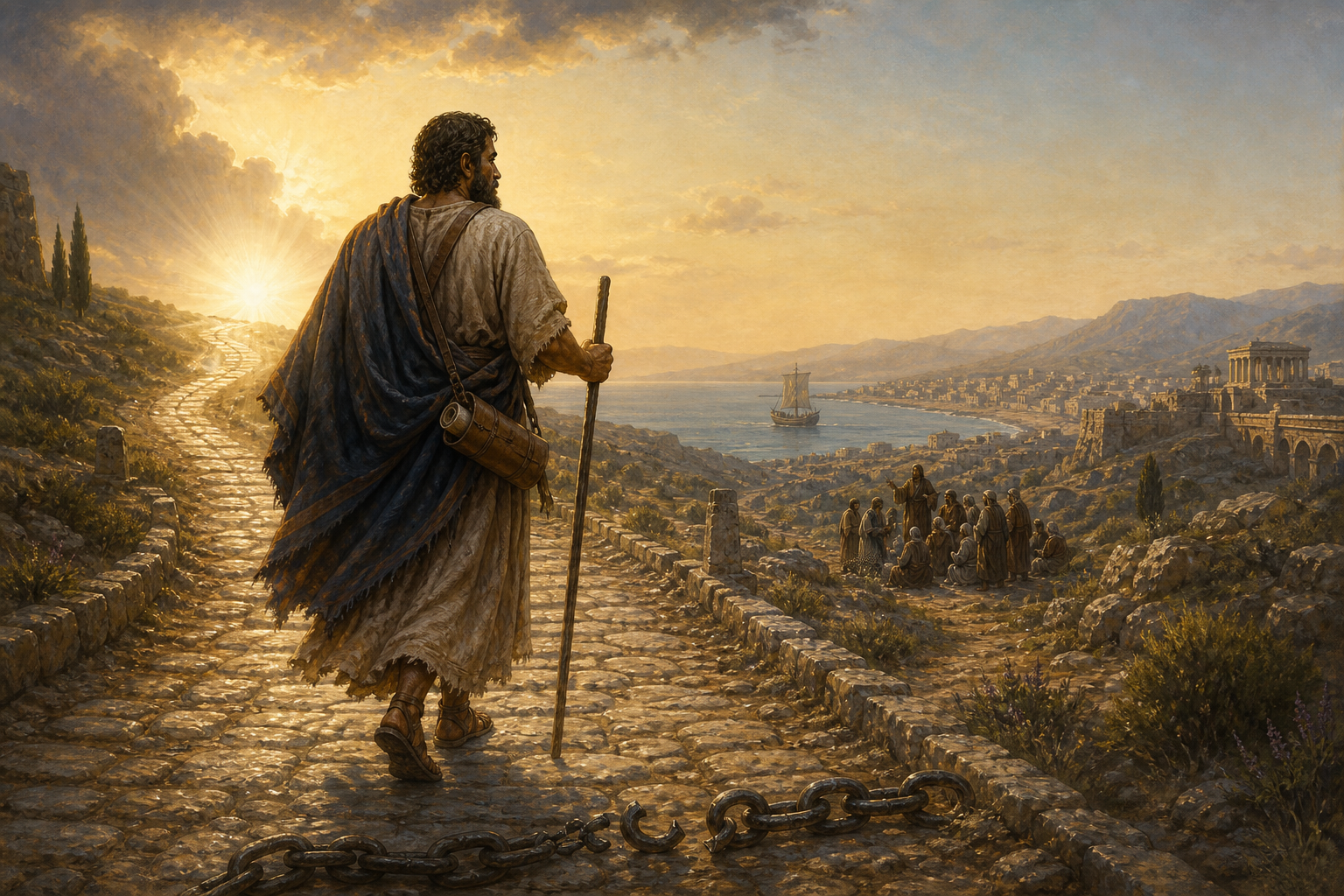
Luke gives us that whole method in three short verses.
"And when they had preached the gospel to that city, and had taught many, they returned again to Lystra, and to Iconium, and Antioch, confirming the souls of the disciples, and exhorting them to continue in the faith, and that we must through much tribulation enter into the kingdom of God. And when they had ordained them elders in every church, and had prayed with fasting, they commended them to the Lord, on whom they believed" (Acts 14:21-23).
Five movements. Preach. Confirm. Exhort. Ordain. Commend. Miss any one of them and the work you build will lean on you long after it should be standing on Christ. Let's walk through all five, because I think most of us are strong in one or two and quietly weak in the rest.
A. Preaching and Teaching
Paul and Barnabas "preached the gospel to that city, and had taught many." Two different verbs are doing two different jobs there. Preaching announces Christ. Teaching forms a disciple. A crowd can respond to the first one in an afternoon. The second one takes years, and it is the one we are most tempted to skip.
Jesus never separated the two.
"Go ye therefore, and teach all nations... teaching them to observe all things whatsoever I have commanded you" (Matthew 28:19-20).
He did not send the church out to collect professions of faith. He sent us to make disciples, and a disciple is someone who is learning to follow, not just someone who once said yes.
I have watched good men measure a crusade by how many hands went up. I understand the excitement. But a hand in the air is a beginning, not a finish line. The real question is always the same one Jesus asked: will this person still be following Me in five years, in a place where nobody is preaching to them at all? Preaching plants the seed. Teaching helps it put down roots deep enough to survive the missionary's absence.
B. Confirming the Souls
Here is something easy to miss in verse 21. Paul and Barnabas "returned again to Lystra, and to Iconium, and Antioch." These were not new stops. These were cities where people had already believed, and Paul went back anyway, to strengthen what he had already planted.
That word "confirming" means to establish, to support, to make firm something that could still wobble. New believers are not finished products. They are more like a new plant staked against the wind. Paul understood this so well that it shaped his whole pattern of ministry. Later he told Barnabas,
"Let us go again and visit our brethren in every city where we have preached the word of the Lord, and see how they do" (Acts 15:36).
He kept "confirming the churches" (Acts 15:41) and "strengthening all the disciples" (Acts 18:23) for the rest of his life.
A new believer left to figure out the Christian life alone rarely makes it. He needs someone to come back, answer his questions, sit with his doubts, and remind him what he already believes when the ground under him starts to shake. If you have led someone to Christ and never gone back, the work is not finished. It has barely started.
C. Exhorting Them to Continue in the Faith
Paul and Barnabas told these young believers something most of us leave out of our gospel presentations: "we must through much tribulation enter into the kingdom of God." They did not sell an easy Christian life. They told the truth up front, and then they urged these believers to keep going anyway.
That word, "exhorting," carries the idea of urging, encouraging, coming alongside someone, and calling out the courage already inside them. Jesus said it plainly:
"he that shall endure unto the end, the same shall be saved" (Matthew 24:13).
"If ye continue in my word, then are ye my disciples indeed" (John 8:31).
Continuing is not a footnote to salvation. It proves what began was real.
I think we do new believers a disservice when we let them assume the hard part is behind them once they believe. The hard part is often just beginning. Persecution, temptation,
disappointment with other believers, seasons where God feels silent. None of that means grace failed. It means you are exactly where every believer since the first century has stood, and the same Lord who called you is still holding on. Tell people that honestly, and you will find they can carry far more than you expected. What breaks people is not hardship. It is hardship they were never warned about.
D. Ordaining Elders
"And when they had ordained them elders in every church" (Acts 14:23).
This verse convicts me most because it describes something I was slow to do. Paul was not building a work that depended on Paul. He was building churches that could function under Christ with their own shepherds, long after he sailed for the next city.
He told Titus to do the same thing in Crete: "ordain elders in every city" (Titus 1:5), and he warned Timothy not to rush it: "Lay hands suddenly on no man" (1 Timothy 5:22). Real spiritual leadership takes time to recognize. You are not looking for the most talented man in the room. You are looking for the man whose character has already proven trustworthy, in small things, before you ever hand him something large.
Here is the honest question worth asking yourself if you have been in one place a long time: are you still raising up someone to stand where you are standing, or have you quietly become the whole reason the church survives? A missionary who never trains a replacement has not planted a church. He has built a monument to himself, and monuments do not reproduce.
E. Commending Them to the Lord
The last movement is the one I understand better now than I did forty years ago.
"And when they had prayed with fasting, they commended them to the Lord, on whom they believed" (Acts 14:23).
Paul did not hand these churches a set of rules and walk away. He entrusted them, with prayer and fasting, to Someone he trusted completely.
"A contract is the exchange and passing of property, possessions; a covenant is the exchange of persons. The contract says, 'This is now yours,' while the covenant says, 'I am now yours.'" Paul was not managing a contract with these young churches, checking to see whether they kept up their end. He was releasing them into a covenant relationship with the Lord Himself, the same One who had already given His Son for them. That is why Paul could say to the Ephesian elders years later,
"I commend you to God, and to the word of his grace, which is able to build you up" (Acts 20:32).
He trusted grace to finish what grace had started.
That is the hardest step for a lot of us. Preaching comes naturally after enough years. Teaching does too, most days. Even training a leader or two feels manageable, because you can still see progress with your own eyes. But letting go, truly entrusting a church to the Lord instead of quietly keeping one hand on the wheel, takes a different kind of faith. It takes believing that the Father loves that congregation more than you do, and that He is fully able to keep what you could never have kept on your own.
What This Costs, and What It Gives Back
None of this happens quickly. Preaching takes a season. Confirming takes return trips. Exhorting takes honesty. Raising up elders takes years of watching a man's life up close. Commending a church to the Lord takes a kind of trust that only grows with time. If you are in the middle of this process right now and it feels slower than you hoped, you are not behind. You are exactly where Paul and Barnabas were on the road back through Lystra, Iconium, and Antioch.
And here is the good news underneath all five of these steps. None of this ever depended on your strength to begin with. The same grace that reached you before you did a single thing for God is the grace holding that young church together tonight, in the city where you first preached, whether you are standing there or not. You were never the foundation. You were only ever a servant entrusted with a message, and a Lord who finishes what He starts.
If you are walking through one of these five stages right now, I would love to hear where you are in the process. Hit reply and tell me. And if these letters from Austin's pen are helping you think through the work God has given you, pass this one along to a missionary or a church planter who needs to read it, and make sure you are subscribed so the next one lands in your inbox too.