The Mistakes That Kept Our Work From Multiplying
Major Mistakes of the Past

I want to talk to you like an old friend over coffee, not like a conference speaker from a stage.
After fifty years in ministry, decades of it spent on the mission field in
Mexico and
Peru, I have made about every mistake a man can make while trying to build something for God. Some of those mistakes cost years. A few of them cost relationships. All of them taught me something I could not have learned any other way.
I am not writing this to shame anyone, least of all my younger self. I am writing it because I would rather you learn from my scars than earn your own the hard way. So let me walk you through the mistakes that quietly kept our work from multiplying, and what I would tell that younger missionary if I could sit across the table from him today.
Building a Church I Could Be Proud Of
The first mistake was subtle, and it felt like success as it happened.
I went to the field with a missionary's calling and slowly settled into a pastor's mentality. I started a church. I nursed it along. I began measuring my life by how that one congregation was growing, how it looked, whether visitors were impressed when they walked through the door.
There is nothing wrong with pastoring a church. God calls men to that, and it is holy work. But I was not called to plant one flag and defend it. I was called to keep pressing into ground nobody had reached yet.
Paul described his own ambition this way:
"so have I strived to preach the gospel, not where Christ was named, lest I should build upon another man's foundation" (Romans 15:20).
He was not content to inherit ground already won. He kept moving toward the places the gospel had not yet touched.
Somewhere along the way I traded that restlessness for the comfort of a church I could point to and say, "Look what we built." God had to peel my fingers off of it before I could see the country beyond it.
Building What Could Never Be Copied
The second mistake grew out of the first. Once I was building something I was proud of, I started building it with resources no national worker could ever access.
Outside money. Imported materials. Systems that only worked because a supporting church back home kept sending checks. Every one of those things made our ministry look impressive. None of it could be reproduced by the men and women who actually lived there.
Paul told Timothy,
"the things that thou hast heard of me among many witnesses, the same commit thou to faithful men, who shall be able to teach others also" (2 Timothy 2:2).
That verse only works if what you are passing down is something an ordinary faithful man can actually carry. If it takes a foreign bank account to keep the work alive, you have not built a ministry. You have built a dependency.
Doing the Work Instead of Raising Up Someone to Do It
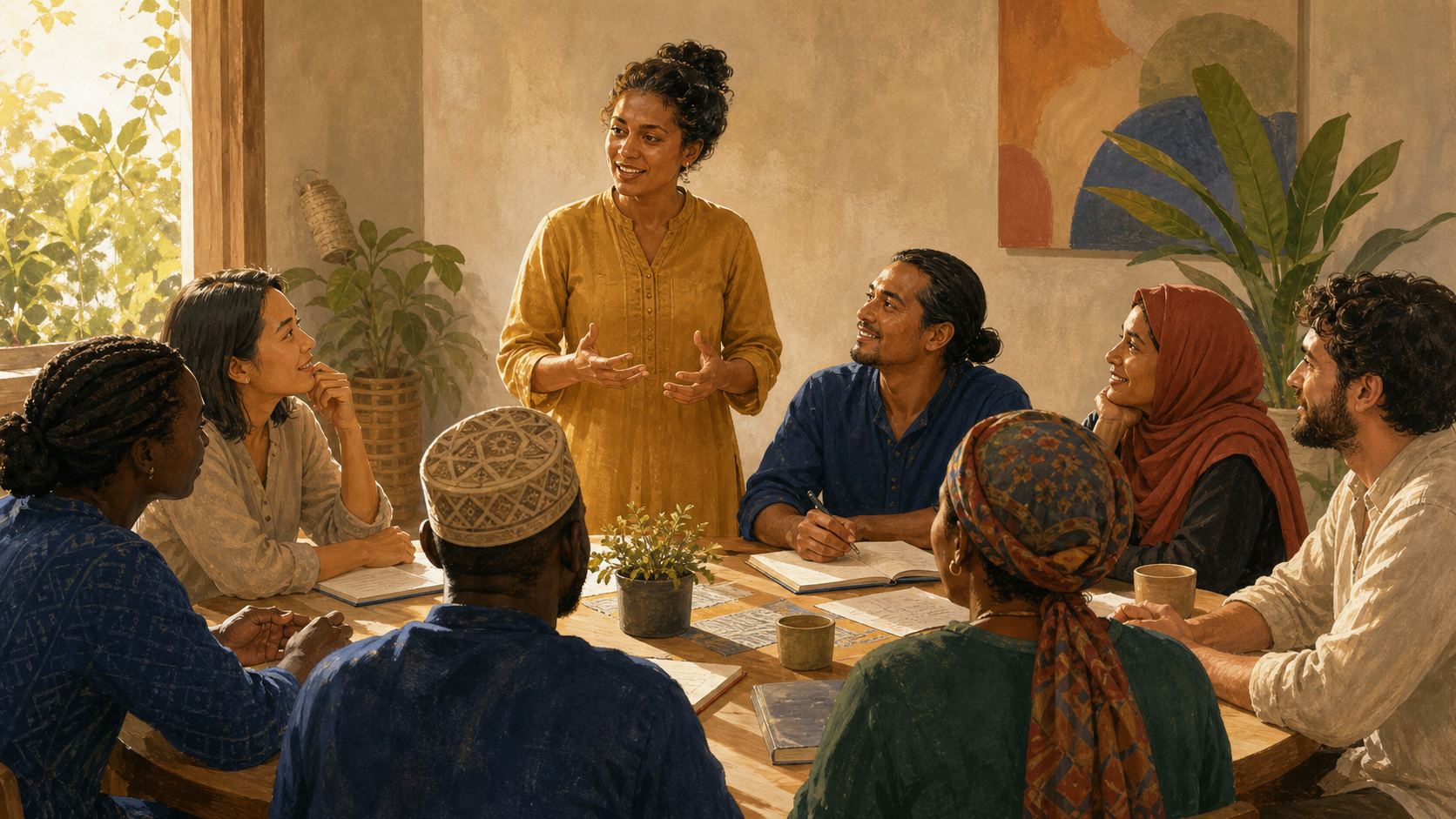
The third mistake was simply this. I did the work myself instead of training someone else to do it.
It felt more efficient then. I could preach better than the men I was discipling. I could organize better than the leaders who were still learning. So I kept doing, and doing, and doing, while the people around me kept watching instead of working.
Moses fell into that same trap until his father-in-law pulled him aside. Jethro told him to find
"able men, such as fear God, men of truth, hating covetousness, and place such over them" (Exodus 18:21).
Moses had to let go of doing everything himself so an entire nation could be led well. I wish someone had told me that thirty years before I figured it out on my own.
The Trust I Withheld
The fourth mistake is a close cousin to the third, and it might be the one I regret most. Even when I did train nationals, I did not always trust them.
I kept one hand on the wheel. I second-guessed decisions I had no business second-guessing. I treated men who had walked with the Lord longer than some of my supporters had been Christians like they still needed my approval before they could lead.
Paul and Barnabas did not operate that way. Wherever they planted a church, they
"ordained them elders in every church" and then "commended them to the Lord, on whom they believed" (Acts 14:23).
Notice that. They commended those men to the Lord. Not to headquarters back home. Not to ongoing outside oversight. To the Lord.
A ministry is not something you own and lend out in small pieces, checking in on it to make sure it is still yours. It is something you build and then release, the way a covenant hands a person everything rather than loaning out a little at a time.
Piecemeal Work With No Plan and No Goal
The fifth mistake was that for years, we had no real plan.
We went where the need looked loudest that week. We said yes to whatever opportunity showed up next. It felt spiritual, like we were simply following the Spirit's leading day by day. Looking back, a lot of it was just drifting.
Jesus asked a question that still convicts me every time I read it.
"For which of you, intending to build a tower, sitteth not down first, and counteth the cost, whether he have sufficient to finish it?" (Luke 14:28).
A city does not get reached by accident. A nation does not get reached by accident. It takes someone willing to sit down, count the cost, and set a goal bigger than this week's opportunity.
Handing the Baton to the Wrong Runner
The sixth mistake showed up whenever a national leader stepped down, or a church needed new oversight. Instead of turning to a national worker we had trained for exactly that moment, we reached for another missionary.
It felt safer. It felt more familiar. But it quietly told everyone watching that real leadership still had to come from outside.
Peter wrote to the elders he was addressing that they should shepherd the people among them,
"not as being lords over God's heritage, but being ensamples to the flock" (1 Peter 5:3).
The flock belongs to the people who live among it, not to whoever flew in from somewhere else. Every time we skipped over a trained national to install an outsider, we were quietly saying we didn't really believe that.
The Grasshopper Report
The last mistake can undo every other lesson you have learned. It is a defeatist attitude. It won't work here. These people are different. This culture is too hard.
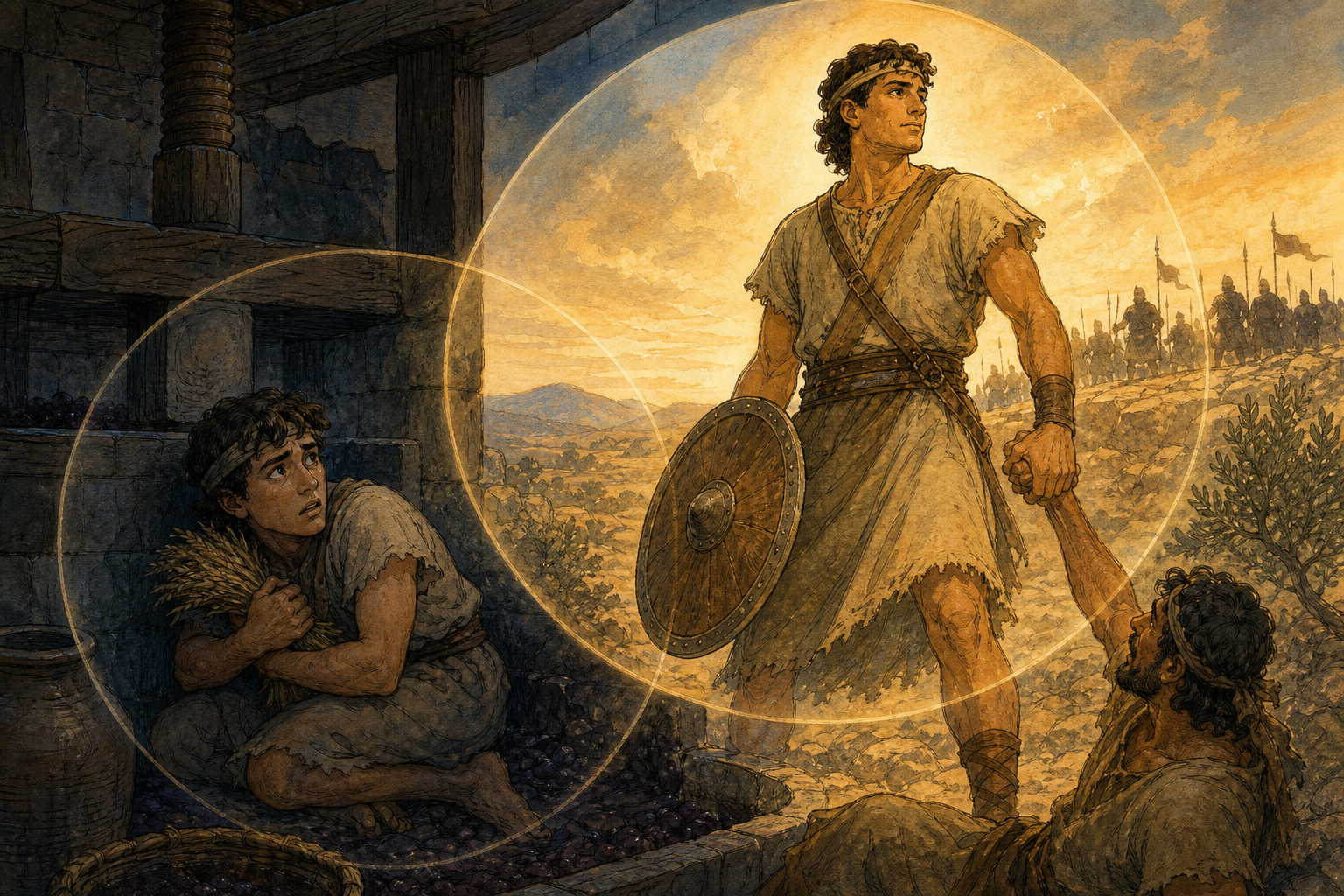
Twelve men once stood at the edge of a promised land and looked at the same evidence, but reported two completely different things. Ten of them said,
"we were in our own sight as grasshoppers, and so we were in their sight" (Numbers 13:33).
Caleb stood up and said something else entirely.
"Let us go up at once, and possess it, for we are well able to overcome it" (Numbers 13:30).
Same land. Same giants. Two different hearts.
I have caught myself giving the grasshopper report more times than I would like to admit, especially after a hard year on the field or a door that slammed shut. But God hath not given us the spirit of fear,
"but of power, and of love, and of a sound mind" (2 Timothy 1:7).
A defeatist attitude is not humility. It is unbelief wearing humility's clothes.
Grace Was Following Me the Whole Time
I am not telling you all of this to hand you a checklist to feel guilty about. I am telling you because I want you to know something that took me far too long to believe. God was not disappointed in me while I was making these mistakes. He was patient with me while I made them.
Every one of those years, His mercy followed me, taught me, and waited for me to see what He already saw. He is the same with you. He does not stand over your ministry with a clipboard, tallying what you have gotten wrong. He walks beside you, ready to show you what building something that lasts actually looks like.
God never meant for you to carry the work alone or keep it for yourself. He meant for you to hand it off, multiply it, and give it away, the same way He gave it to you.
That is not a burden. That is the whole point.