The Ordinary Work of Loving the World
What a World Evangelism Committee actually does, and why the Father delights in it

Fifteen Duties, One Heart
Read the responsibilities of a World Evangelism Committee, and you may feel tired before you reach the end.
Meet every month. Pray. Teach the congregation. Recruit volunteers. Watch the money. Care for missionaries. Evaluate the program. Take a trip. Attend the training. Show up to every co-workers' meeting.
That adds up to fifteen duties for a handful of volunteers. It sounds heavy, and I would understand if you wanted to close the page.
So let me say the first thing plainly. None of this earns you anything. Nobody serves on this committee to win a smile from God, because He already smiles at you. The sending began in His heart long before it reached a committee room.
As my Father hath sent me, even so send I you. (John 20:21)
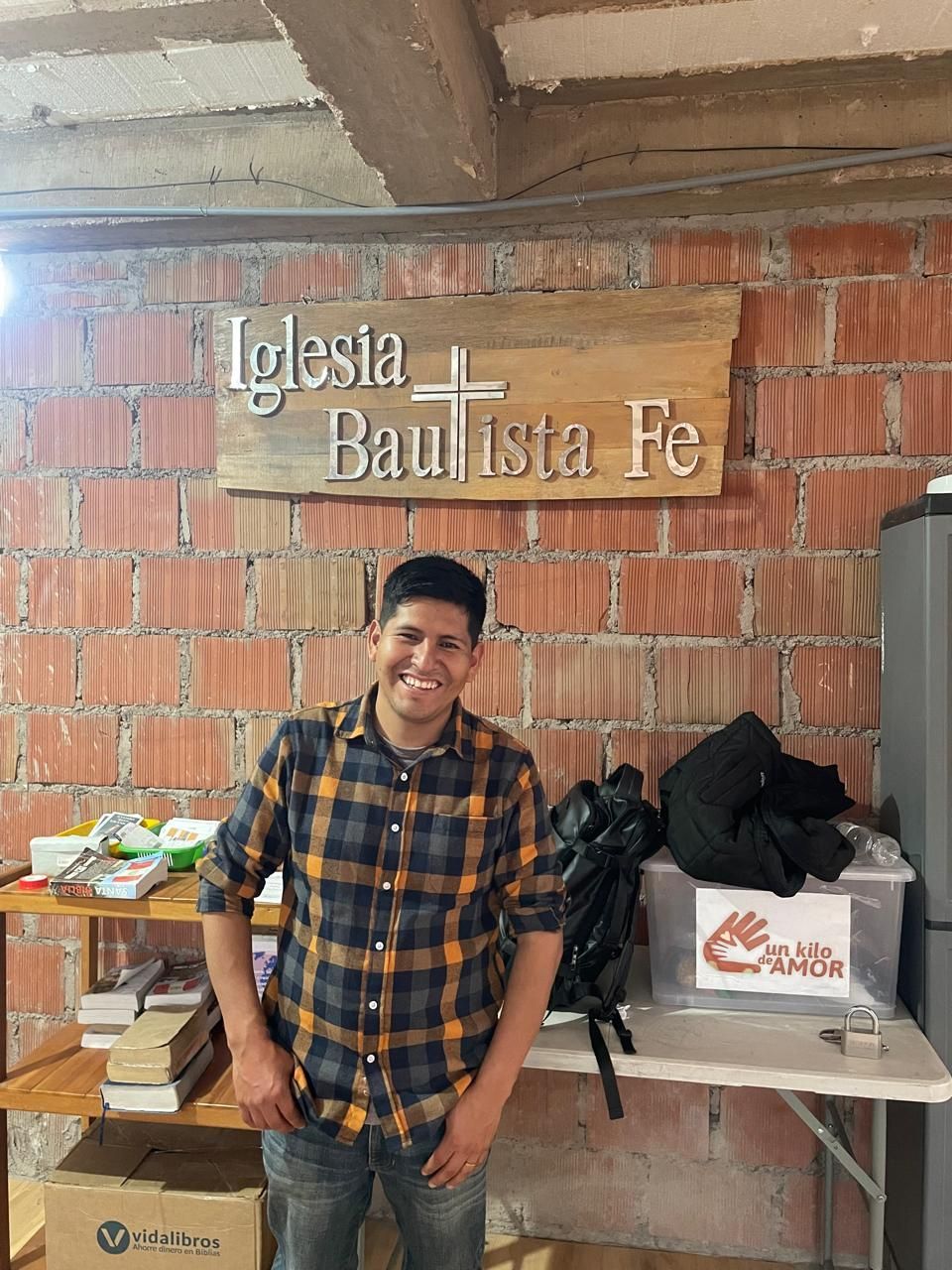
I have sat on both sides of this table. I spent decades as a missionary in Arequipa, Peru, and I served as a pastor whose church sent people out. From both chairs, I can tell you the fifteen duties are really one thing seen from fifteen angles. They are love for the world that decided to get on the calendar.
Jesus never handed His people a load and walked away. He said something better.
For my yoke is easy, and my burden is light. (Matthew 11:30)
Keep that verse close as we walk through the list.
Pray First, and Keep Praying Together
The first duty on the list is a monthly meeting, and the meeting has a purpose: to pray, plan, discuss, and administer. Prayer comes first in that sentence. It should come first in the room too.
I know a monthly meeting can feel ordinary. Some nights the agenda drags and the prayer feels dry. Show up anyway. A steady rhythm carries a committee through the nights when nobody feels much of anything.
Jesus told His followers exactly where the work begins.
Pray ye therefore the Lord of the harvest, that he will send forth labourers into his harvest. (Matthew 9:38)
The second duty stretches that prayer past the committee table. You stir up the whole congregation to pray for the missionaries you support. Paul asked churches for this again and again.
Now I beseech you, brethren, for the Lord Jesus Christ's sake, and for the love of the Spirit, that ye strive together with me in your prayers to God for me. (Romans 15:30)
Here is one simple way to do it. Put a name in the bulletin every week. Speak that name aloud in the service. Let a family in the pew learn to pray for a family across an ocean, one name at a time.
A missionary cannot see who is praying. They only feel the difference it makes.
Open the Church's Eyes
The third duty is to educate and inspire the congregation. The fourth is to recruit volunteers. They belong together, because people rarely volunteer for something they have never seen.
Most believers love the world in a vague, warm way. They have never met a face, a village, or a need. Your committee can change that. Tell the stories. Bring in the furloughing missionary. Put a map on the wall and a name on every pin.
Jesus did not lecture His disciples about the harvest. He pointed.
Lift up your eyes, and look on the fields; for they are white already to harvest. (John 4:35)
Once eyes open, hearts follow. Then comes the invitation, and it works best when it sounds like an invitation instead of a guilt trip.
Also I heard the voice of the Lord, saying, Whom shall I send, and who will go for us? Then said I, Here am I; send me. (Isaiah 6:8)
Notice what came first. Isaiah saw who God is, and then he raised his hand. Nobody twisted his arm.
Do the same. Show people the Father's heart, then trust the Holy Spirit to do the asking. Someone in your pew may become a missionary, a short-term volunteer, or the person who quietly writes letters for twenty years. Every one of them counts.
Handle His Money With Open Hands
Two duties deal with money. The committee approves and administers the funds in the missions budget, and it develops and manages ways to raise more.
That is a serious trust. The money did not come from the committee. It came from people who gave out of love, and behind them, from the One who owns it all.
The earth is the Lord's, and the fulness thereof; the world, and they that dwell therein. (Psalm 24:1)
A committee that remembers this holds the budget loosely and handles it carefully. It asks hard questions and decides on principle, not on the charm of the last speaker or the mood of the meeting. Wise counsel protects everyone.
Without counsel purposes are disappointed: but in the multitude of counsellors they are established. (Proverbs 15:22)
Fundraising deserves the same spirit. Never guilt anyone into giving. Tell the story, show the need, and let people respond with joy.
God loveth a cheerful giver. (2 Corinthians 9:7)
I have watched giving that flowed from a moved heart, and it lasted for years. I have also watched giving squeezed out of a congregation by pressure, and it dried up as soon as the pressure eased. Joy outlasts pressure every time.
Walk Together Only When You Agree
The sixth duty makes the committee a bridge. It stands between the church and its missionaries, and also between the church and seminary students, mission agencies, and associations. Good bridges carry traffic in both directions. Letters go out from the church, and news and prayer requests come back in.
The eleventh duty guards that bridge. The committee makes sure the church's statement of faith fits the beliefs of the people it supports.
That may sound like a technical chore, but it protects something tender. Two people who disagree about the gospel cannot serve side by side for long, and both the missionary and the church get hurt when the difference surfaces years later.
Can two walk together, except they be agreed? (Amos 3:3)
Have that conversation early, kindly, and in writing. Ask, listen, and settle it before the first check goes out. Clarity is a gift to the missionary too, because it tells them plainly where they stand with the people who send them.
And if someone does not fit? Say so gently. Firm sometimes, kind always.
Love the People You Send
The seventh duty may matter most: care for missionaries on the field and on furlough.
Missionaries get tired. They get lonely. On the hardest days, many wonder whether anyone back home still remembers their name. I know that feeling, and I know what it means when a letter arrives at the right moment.
Paul knew it too. He wrote to the Philippians about the church that stayed with him when no one else did.
For even in Thessalonica ye sent once and again unto my necessity. (Philippians 4:16)
Care means more than money. A phone call where you ask how they are before you ask what they have accomplished counts. So does remembering birthdays and the hard anniversaries. Checking on the marriage and the children matters too.
Sometimes care means showing up in person. Even Paul needed that.
Nevertheless God, that comforteth those that are cast down, comforted us by the coming of Titus. (2 Corinthians 7:6)
And when a missionary comes home on furlough, give them rest before you give them a schedule. Jesus did exactly that for His weary workers.
Come ye yourselves apart into a desert place, and rest a while. (Mark 6:31)
Let them sit at your table. Let them be loved for who they are, not for what they report.
Look Honestly at the Work
Three duties keep the whole program healthy. The committee administers and evaluates the missions program, updates the missions policy, and becomes thoroughly familiar with the policy handbook.
Evaluation makes some people nervous, so hear it kindly. You are not grading anyone's worth. You are asking honest questions so good work keeps getting better. What is happening on the field? What did we learn this year? Where should we adjust?
Scripture gives wise leaders a simple habit.
Be thou diligent to know the state of thy flocks, and look well to thy herds. (Proverbs 27:23)
A policy handbook helps a church remember what it learned. New members rotate on and old hands rotate off. Without a written record, every new group starts from scratch and repeats old mistakes. With one, the church keeps its direction and its loving accountability from one year to the next.
That is why every member needs to know the handbook well, and why the committee keeps updating it as God teaches the church something new.
Let all things be done decently and in order. (1 Corinthians 14:40)
Order does not fight against grace. It gives grace something steady to stand on.
Go, Learn, and Show Up
The last group of duties asks committee members to stay teachable. Go on at least one short-term mission trip during your term. Attend missions training. Come to every co-workers' meeting.
Why go? Because seeing beats hearing. Paul wanted to see with his own eyes the work he had started.
Let us go again and visit our brethren in every city where we have preached the word of the Lord, and see how they do. (Acts 15:36)
A committee member who has stood in a village church, eaten at a missionary's table, and struggled with the language never votes on a budget the same way again. The names on the pages become people you know.
Training keeps you humble and sharp. There is always more to learn about culture, church planting, and how to help without hurting.
The heart of the prudent getteth knowledge; and the ear of the wise seeketh knowledge. (Proverbs 18:15)
Then show up. Meeting with the church's wider leadership ties the committee into the life of the whole body, and it keeps missions from drifting off into a side room alone. Encouragement travels faster where people know each other.
And let us consider one another to provoke unto love and to good works: Not forsaking the assembling of ourselves together. (Hebrews 10:24-25)
Love With a Calendar
Step back and look at all fifteen. Pray. Teach. Send. Give. Bridge. Care. Evaluate. Go. Show up. Not one of them is glamorous, and almost none will earn applause on a Sunday morning.
Yet each one says the same thing to a missionary in a distant town and to a person in the pew: you are not forgotten, and the Father who loves the world has not forgotten you either.
Here is the one truth I hope you carry home. A committee is simply love that put itself on the calendar.
You will have tired nights and dry meetings. You may wonder whether any of it matters. Hear this. The work belongs to Christ, and He keeps what He starts.
Forasmuch as ye know that your labour is not in vain in the Lord. (1 Corinthians 15:58)
If this stirred something in you, I'd love to have you along. Subscribe to Ministry by Mercy, and new articles for pastors, missionaries, and church leaders will land in your inbox as I write them. We are all followed by mercy, and that mercy reaches every village on the map.
#FollowedByMercy #AudienceOfOne